
Poor Little Rich Girl
1936
No user ratings available yet
Diversity score: 2.2 out of 10
1936
GDirector
William A. Seiter
Runtime
87 minutes
Average Rating
No ratings yetSynopsis
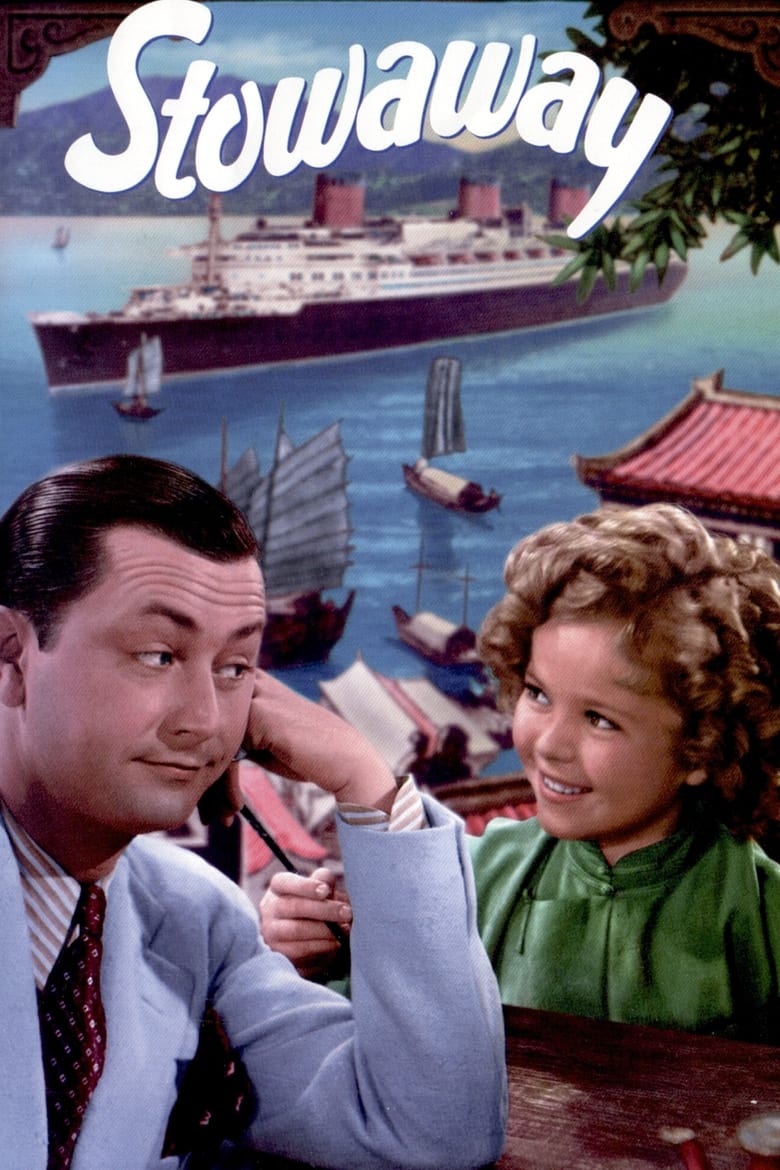
Chin-Ching gets lost in Shanghai and is befriended by American playboy Tommy Randall. She falls asleep in his car which winds up on a ship headed for America. Susan Parker, also on the ship, marries Randall to give Chin-Ching a family.
Overall Score
Limited
Category Breakdown
LGBTQ+ Representation
The film contains no identifiable LGBTQ+ characters or non-cisnormative identities. Romantic subplots follow traditional, heteronormative trajectories standard for the 1930s.
Gender Representation
Shirley Temple’s character exerts agency by influencing adult behavior through social charm. However, adult romantic arcs remain tethered to conventional gender roles and domestic stability.
Racial & Ethnic Diversity
The character Chin-Ching provides an international bridge between Shanghai and America. This representation relies on 1930s cinematic tropes rather than deep intersectional exploration.
Religious & Cultural Diversity
The narrative prioritizes Western values, focusing on family reunification and social order. It reinforces the stability of the family unit and luxury social hierarchies.
Disability Representation
There are no prominent depictions of visible or invisible disabilities. No characters with disabilities drive the narrative or possess meaningful agency.
Strengths
Areas for Improvement
AI Analysis
Stowaway is a quintessential product of 1930s studio escapism, prioritizing lighthearted sentimentality over social critique. While it offers minor cross-cultural interaction through Chin-Ching, the film largely adheres to the era's established social hierarchies and Western-centric perspectives. The film's strength lies in its child-led disruption of adult authority, yet it fails to challenge systemic norms. The narrative remains firmly rooted in traditional courtship and patriarchal structures, offering little in the way of complex or intersectional representation.
1936
1929
1937
1936
No reviews yet. Be the first to share your thoughts on this movie!
Use the rating form above to leave a star rating and optional review.