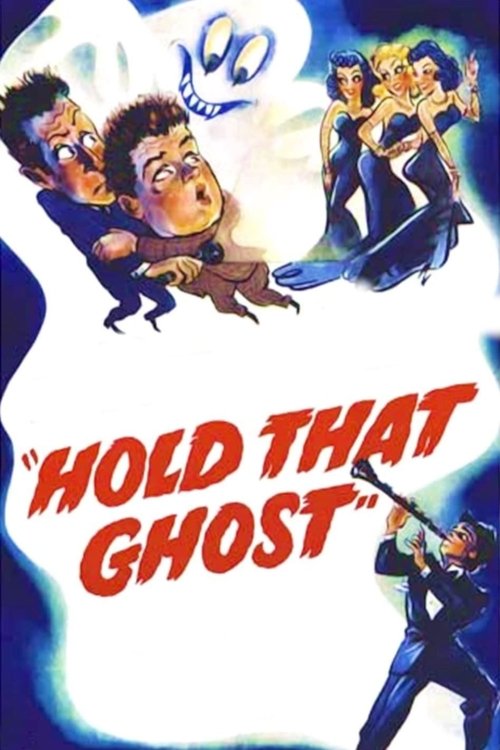
Hold That Ghost
1941
No user ratings available yet
Diversity score: 2.4 out of 10
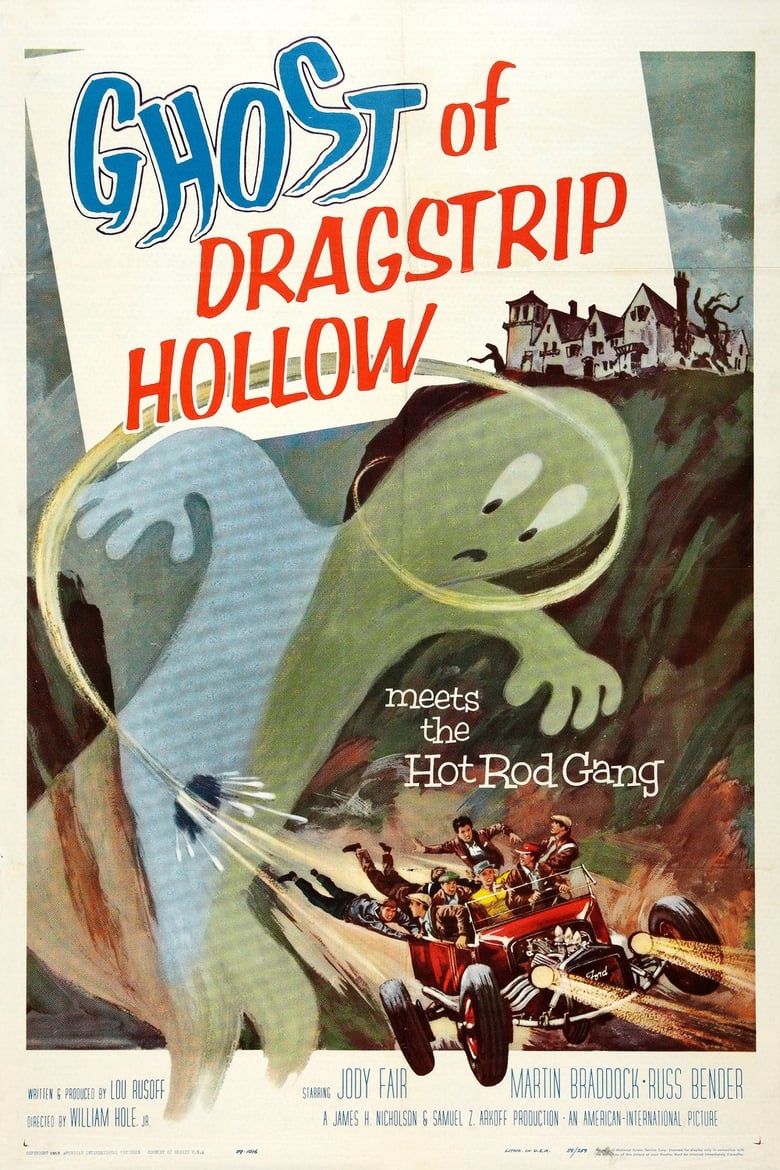
1959
NRDirector
William J. Hole Jr.
Runtime
65 minutes
Average Rating
No ratings yetSynopsis
A group of drag-racing fanatics, members of a Los Angeles club, move into an old deserted mansion and set up shop, making it their headquarters. They hold a Halloween masked ball for the club's grand opening, and invite everyone to come dressed as their favorite monster! Oddly enough, the festivities turn sour when one of the bright youths discovers an impostor among them in the form of an honest-to-gosh live monster who's been hogging all the dances with the best-looking girls
Overall Score
Limited
Category Breakdown
LGBTQ+ Representation
The film lacks any evidence of non-cisnormative identities or same-sex intimacy. The focus on traditional courtship rituals suggests a strictly heteronormative framework.
Gender Representation
Female characters appear primarily as objects of desire or prizes in social competitions. The plot reinforces standard 1950s romantic pursuit tropes rather than subverting gender hierarchies.
Racial & Ethnic Diversity
The narrative focuses on a specific Los Angeles subculture but shows no sign of racial blending. It appears to adhere to the homogeneous casting norms of the late 1950s.
Religious & Cultural Diversity
The setting centers on Western social structures like club membership and organized festivities. It emphasizes traditional community-building through the establishment of a social headquarters.
Disability Representation
The monster element serves as a genre device rather than a nuanced exploration of difference. These figures typically function as external threats or comedic foils in this era.
Strengths
Areas for Improvement
AI Analysis
Ghost of Dragstrip Hollow is a period-specific horror-comedy that relies heavily on the established tropes of its era. The narrative architecture prioritizes traditional social structures and heteronormative romantic competition over progressive social commentary. The film functions within a conventional framework, focusing on a specific subculture of drag-racing enthusiasts. It lacks the systemic intentionality needed to disrupt or represent diverse lived experiences, instead leaning into the homogeneous casting and social norms of 1959. Ultimately, the work serves as a genre piece that reinforces existing social hierarchies rather than challenging them through intersectional storytelling.
1941
1984
1966
1942
1945

1989
1966
1982
1995
2005
1941
1990
No reviews yet. Be the first to share your thoughts on this movie!
Use the rating form above to leave a star rating and optional review.