The Phantom of the Red House
1956
No user ratings available yet
Diversity score: 3.2 out of 10
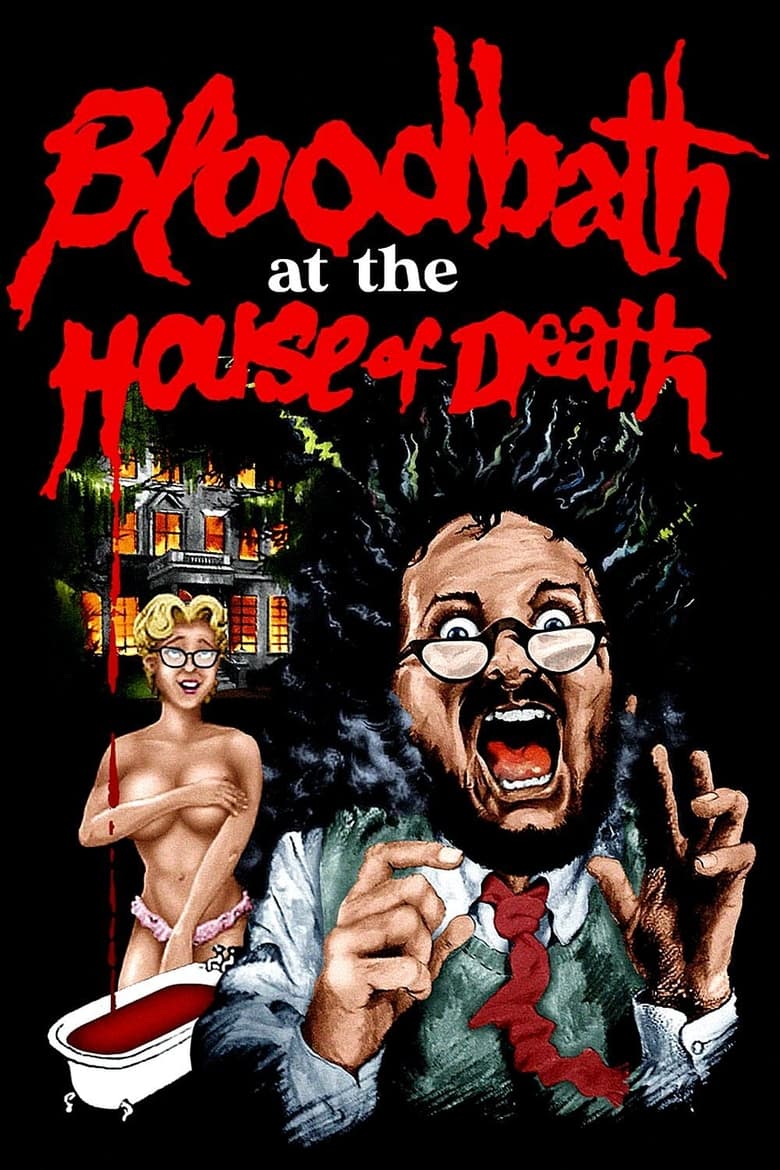
1984
RDirector
Ray Cameron
Runtime
91 minutes
Average Rating
No ratings yetSynopsis
Six scientists arrive at the creepy Headstone Manor to investigate a strange phenomena which was the site of a mysterious massacre years earlier where 18 guests were killed in one night. It turns out that the house is the place of a satanic cult lead by a sinister monk who plans to kill the scientists who are inhabiting this house of Satan.
Overall Score
Limited
Category Breakdown
LGBTQ+ Representation
The film lacks any discernible presence of queer identities. Character dynamics remain rooted in the traditional heteronormative structures common to 1980s exploitation cinema.
Gender Representation
Female characters are central to the survival narrative but primarily serve as subjects of violence. The film reinforces standard genre expectations regarding gendered vulnerability rather than challenging hierarchies.
Racial & Ethnic Diversity
The ensemble follows homogeneous casting patterns typical of low-budget Italian horror. There is no evidence of efforts to disrupt Eurocentric norms within the setting.
Religious & Cultural Diversity
Religious iconography, such as a sinister monk, is used as a standard horror trope. The narrative avoids deeper critiques of religious institutions or systemic ideologies.
Disability Representation
Characters with visible or invisible disabilities are not portrayed with agency. Disability is not utilized as a meaningful narrative element or a tool for character depth.
Strengths
Areas for Improvement
AI Analysis
Bloodbath at the House of Death is a quintessential 1980s exploitation piece that prioritizes genre tropes over social representation. The narrative architecture relies on established hierarchies, focusing on survival and suspense rather than the exploration of diverse identities. The film adheres to the conventional slasher framework, utilizing gendered vulnerability and homogeneous casting to drive its plot. It functions within a narrow, traditional framework that lacks the intentionality required to subvert cultural or social norms. Ultimately, the work serves its genre requirements without attempting to engage with intersectional perspectives or systemic critiques, making it a product of its specific era and production style.
1956
1973
1959
1986

1990

2011

2009

1989

2013
2017
2008

2018
No reviews yet. Be the first to share your thoughts on this movie!
Use the rating form above to leave a star rating and optional review.