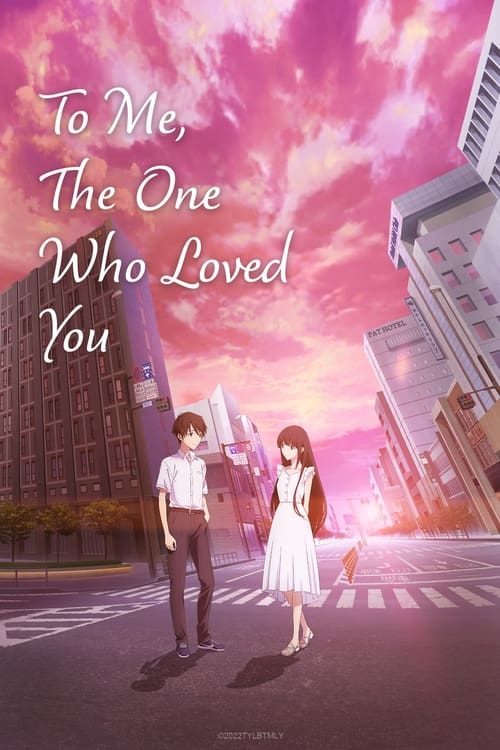
To Me, the One Who Loved You
2022
No user ratings available yet
Representation score: 3.9 out of 10
Representation Score
Fair
2022
PG-13Director
Jun Matsumoto
Runtime
102 minutes
Average Rating
No ratings yetNew Showbiz Analysis
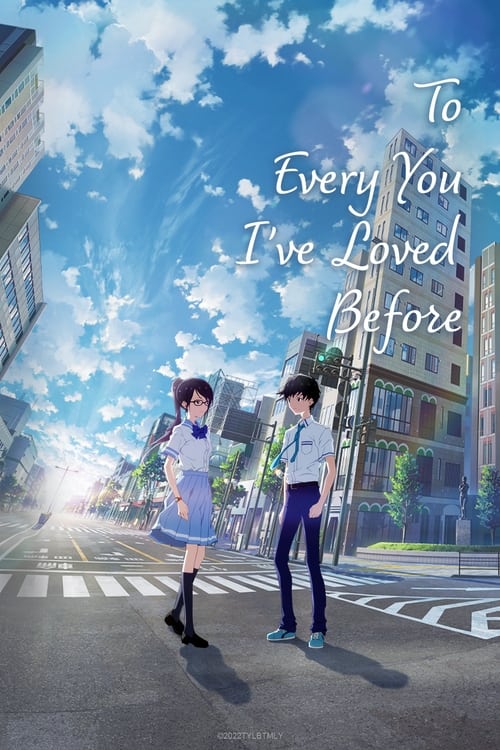
To Every You I've Loved Before is a sophisticated exploration of postmodern storytelling. Using the science fiction concept of parallel universes, it delves into the subjectivity of human connections and the fluidity of identity. While intellectually engaging, the film remains conservative in its demographic composition. The multiverse framework serves primarily as a backdrop for romantic exploration rather than a vehicle for social commentary. The film avoids harmful stereotypes but does not proactively challenge traditional social hierarchies, making it emotionally resonant but demographically narrow.
Category Breakdown
The film centers on the romantic relationship between Koyomi and Kazune. It does not include any explicit depictions of non-traditional gender identities or same-sex intimacy.
The story follows a female protagonist as she navigates various realities. She plays a significant role in managing the complexities of the multiverse, avoiding passive clichés.
Set in Japan, the film reflects a culturally homogeneous environment. The cast and setting align with typical demographic patterns for this region.
The narrative examines the relativity of existence by breaking down the concept of a fixed life path. However, it does not actively question organized religion or Western institutions.
There is no indication of the portrayal of physical or neurodivergent disabilities in this film.
Present on Screen
Limited or Absent
Official Synopsis
While struggling to make friends after his parents’ divorce, Koyomi Takasaki meets Kazune Takigawa, but apparently, they already have. Kazune reveals that she’s from World Line 85, an alternate universe in which she and Koyomi are lovers. But in a reality where moving between dimensions is natural, could Koyomi be the one from another world?
2022

2019

2015
2025

1983

1995

2019

2019
No reviews yet. Be the first to share your thoughts on this movie!
Use the rating form above to leave a star rating and optional review.