
The Shower
1992
No user ratings available yet
Representation score: 5.0 out of 10
Representation Score
Excellent
1973
Director
Barbara Hammer
Runtime
4 minutes
Average Rating
No ratings yetNew Showbiz Analysis
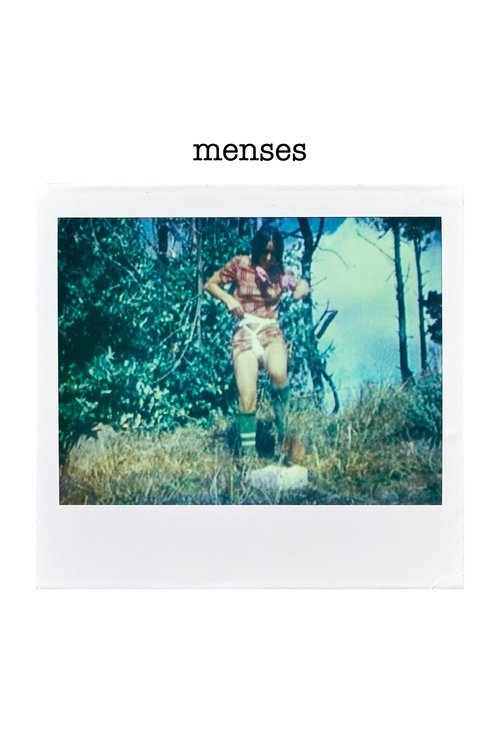
Barbara Hammer’s *Menses* is a groundbreaking experimental film that centers the female body to challenge traditional patriarchal views. By transforming a biological process into a site of political ability to act and ritualistic bonding, the film disrupts conventional narratives. The film excels in its portrayal of gender and queer identities, creating a unique universe that rejects traditional gender norms. However, its abstract, non-narrative style means it does not engage specifically with racial, ethnic, or disability-related identities. Overall, *Menses* stands as a significant achievement in feminist media, using avant-garde techniques to reclaim bodily sovereignty and challenge institutionalized standards of femininity.
Category Breakdown
The film explores female identity through a non-binary lens, avoiding assumptions about traditional gender roles. It serves as a foundational text for understanding lesbian feminist theory.
Hammer challenges traditional gender roles by elevating menstruation, a process often stigmatized. The film highlights active, self-directed female empowerment, moving beyond passive observation.
The experimental and abstract nature of the film lacks character-driven racial depictions. It focuses on biological abstraction rather than social or ethnic identity.
The film critiques Western norms by reclaiming biological processes through ritualistic imagery. It portrays womanhood as a site of political and personal liberation.
The focus on macro-photography and anatomical realities does not explicitly address physical or neurodivergent disabilities. No specific character arcs regarding disability are present.
Present on Screen
Limited or Absent
Official Synopsis
A wry comedy on the disagreeable aspects of menstruation where women act out their own dramas on a California hillside, in a supermarket, in a red-filtered ritual of mutual bonding. MENSES combines both the imagery and the politics of menstruation in a fine blend of comedy and drama.
1992

1966
2002
1977

1974

1997

2019

2005
No reviews yet. Be the first to share your thoughts on this movie!
Use the rating form above to leave a star rating and optional review.