Women Aren't Funny
2014
No user ratings available yet
Representation score: 6.1 out of 10
Representation Score
Excellent
2002
NRDirector
V, Joe Mantello
Runtime
76 minutes
Average Rating
No ratings yetNew Showbiz Analysis
The film serves as a powerful exercise in feminist discourse, intentionally designed to deconstruct systemic taboos. By centering the narrative on women's ability to drive the story and bodily autonomy, it successfully dismantles traditional patriarchal hierarchies and the male gaze. The work excels in its integration of queer identities and racial the way different parts of someone's identity overlap. Rather than treating these as peripheral, the film weaves them into the core exploration of how identity and power dynamics shape the female experience. While the exploration of disability is meaningful, it lacks the specialized depth found in the film's treatment of gender and race. Overall, the production is a definitive example of narrative architecture built to challenge established cultural norms.
Category Breakdown
The film actively challenges the assumption that everyone is straight or cisgender by focusing on queer identities. It integrates lesbian narratives into the core exploration of intimacy, criticizing the societal shame often imposed on queer women.
This work radically subverts traditional hierarchies by centering women's ability to drive the story and intellect. It removes the male gaze, prioritizing female pleasure and bodily autonomy.
The production uses a diverse cast to illustrate how racialized bodies navigate social landscapes. It highlights the distinct experiences of Black, Latina, and White women to challenge monolithic depictions of womanhood.
The film critiques Western institutions and religious control over the individual. It promotes moral relativism regarding sexual expression, prioritizing personal truth over institutional dogma and social policing.
The film touches upon varied physical and psychological experiences. However, actively leading depictions of visible or invisible disabilities are less central to the thematic arc than gender and race.
Present on Screen
Limited or Absent
Official Synopsis
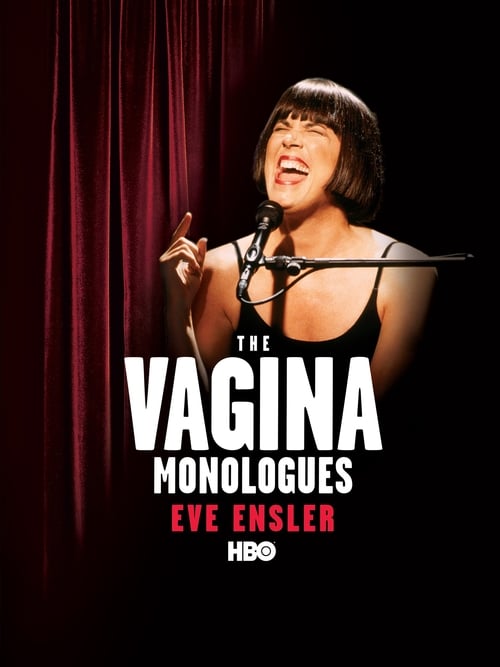
This controversial work, created and performed by Eve Ensler, debuted off-off-Broadway in 1996 and soon rode a wave of national acclaim. Now, the intimacy of Ensler's original show has been lovingly brought to the screen. Capturing her unique performance, the film also follows Ensler as she explores the creative impetus behind the monologues and conducts a series of new interviews as inspiring as those that brought about the original work
2014

1997
2004
2020
2009
2008
2007
1973
No reviews yet. Be the first to share your thoughts on this movie!
Use the rating form above to leave a star rating and optional review.