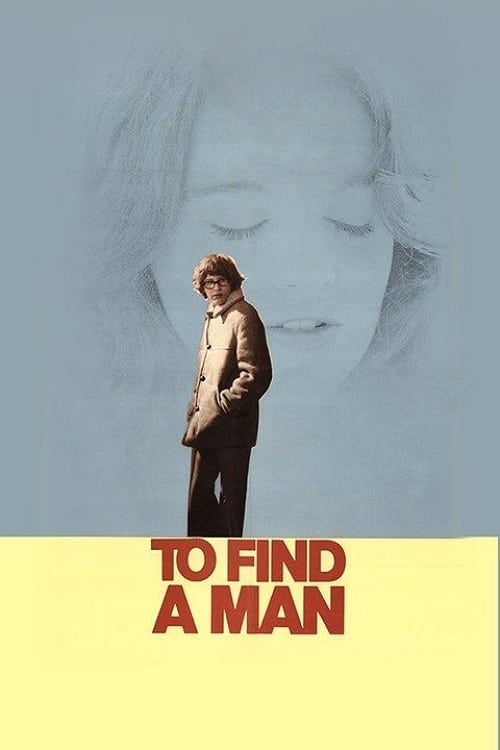
To Find a Man
1972
No user ratings available yet
Representation score: 4.8 out of 10

Representation Score
Fair
1971
RDirector
Rob Houwer, Eberhard Schröder
Runtime
83 minutes
Average Rating
No ratings yetNew Showbiz Analysis
In Trouble serves as a powerful social commentary that prioritizes female autonomy over patriarchal or state-imposed domesticity. By focusing on the complexities of abortion, the film confronts the legal and moral frameworks of the early 1970s. While the film effectively challenges traditional gender hierarchies and institutional morality, it lacks diverse representation. The narrative appears rooted in a specific European cultural context, with no visible LGBTQ+ narratives or racial diversity. Ultimately, the film's strength lies in its critique of systemic oppression, even though its scope remains limited to specific regional and gendered struggles.
Category Breakdown
The film does not include any explicit LGBTQ+ characters or explore non-straight relationships. The narrative focuses on reproductive issues and legalities related to pregnancy, emphasizing traditional biological roles.
The film challenges traditional female passivity by focusing on women navigating abortion and sexual violence. It gives characters a significant role in confronting systemic legal structures and traditional gender hierarchies.
The production features a homogeneous cast typical of 1971 European cinema. There is no indication of diverse casting or racial representation within the provided context.
The work critiques the intersection of religion, law, and state control over the body. It highlights the struggle for reproductive rights to challenge traditional Western social and institutional controls.
There is no mention of characters dealing with physical, neurodivergent, or mental health disabilities. No specific representation of disabilities is identified in the narrative.
Present on Screen
Limited or Absent
Official Synopsis
This movie chronicles several pregnant women on their quest to have an abortion. Some got pregnant by accident, others were raped. Sure to offend anti-abortionists, pro-lifers, feminists and chauvinists alike. The portions of the movie that deal with European folk remedies to pregnancy are especially interesting.
1972

2011
2005

2021
1968

2022

1971
1997
No reviews yet. Be the first to share your thoughts on this movie!
Use the rating form above to leave a star rating and optional review.