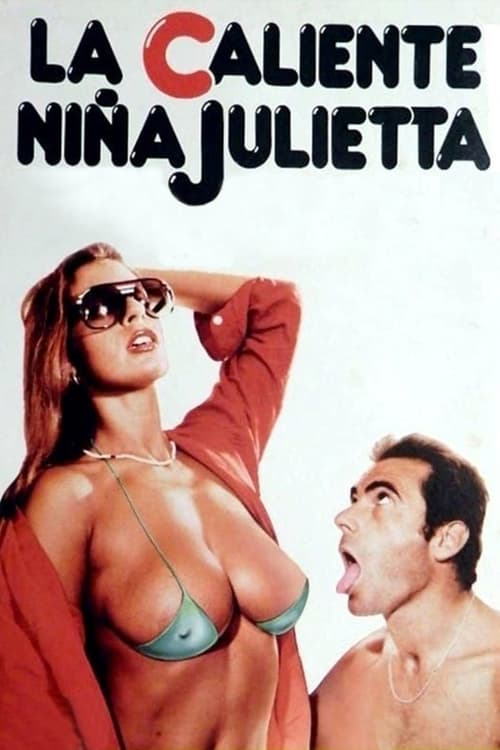
The Hot Girl Juliet
1981
No user ratings available yet
Representation score: 5.6 out of 10
Representation Score
Fair
1983
Director
Alfonso Balcázar
Runtime
76 minutes
Average Rating
No ratings yetNew Showbiz Analysis
Alfonso Balcázar’s film challenges traditional sexual and gender norms. By focusing on a woman's journey from marital dissatisfaction to embracing bisexuality, the film disrupts the conservative social structures of 1983 Spain. While the film excels in subverting domestic norms and highlighting female autonomy, it lacks racial diversity, reflecting the era's narrow demographic representation. Ultimately, the work is a transgressive exploration of autonomy, using the domestic sphere as a backdrop for repression to justify a narrative of sexual liberation and self-discovery.
Category Breakdown
The film focuses on the protagonist's journey from dissatisfaction with marriage to embracing bisexuality, challenging the traditional expectations of the time. This exploration disrupts conventional domestic norms and highlights the complexity of non-straight relationships.
Mary asserts her independence by rejecting traditional marital roles and prioritizing her own desires. The narrative emphasizes her control over her life and challenges the idea of women being submissive spouses.
The cast is predominantly homogeneous, with no significant blending of racial or ethnic backgrounds to challenge traditional demographic norms.
The story questions the sanctity of traditional marriage and family structures, emphasizing personal morality and sexual freedom over conservative religious and social norms.
There is no apparent depiction of physical or neurodivergent disabilities in the film.
Present on Screen
Limited or Absent
Official Synopsis
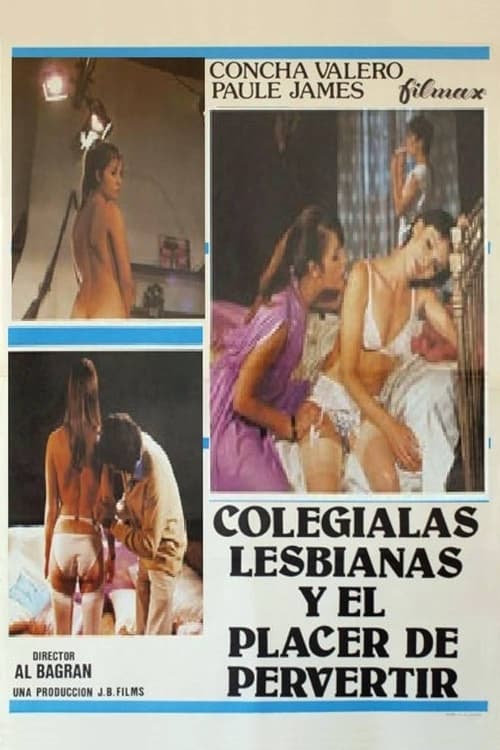
Aunt Mary is not happy with her recent marriage. Her husband always wants to go to bed, and she doesn’t like it. Her sister’s daughter comes with a girl to spend some days in the house. Mary learns how to love both men and women.
1981

1995

1982
1987

1968

1982
1999
2016
No reviews yet. Be the first to share your thoughts on this movie!
Use the rating form above to leave a star rating and optional review.