
Street of Shame
1956
No user ratings available yet
Representation score: 8.0 out of 10
Representation Score
Fair
1998
NRDirector
Hou Hsiao-hsien
Runtime
113 minutes
Average Rating
No ratings yetNew Showbiz Analysis
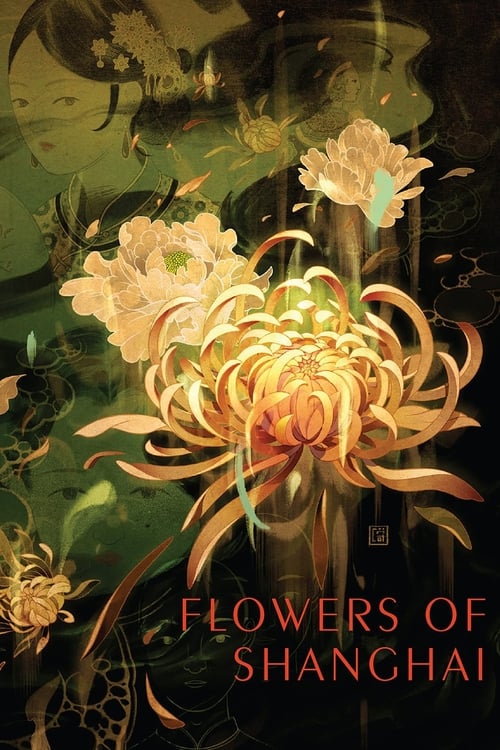
Hou Hsiao-hsien’s film offers a sophisticated exploration of social stratification. By focusing on the lives of courtesans, the film challenges the traditional male-centric viewpoint and delves into female empowerment within a tightly controlled hierarchy. The film excels at depicting the complexities of human connections under systemic pressures. It employs an elliptical structure to emphasize atmospheric subtlety over conventional plot development, resulting in a rich cinematic experience. While the film provides a detailed cultural backdrop, it remains limited in its portrayal of non-straight identities and does not include characters with disabilities.
Category Breakdown
The film centers on the traditions of courtesan houses, focusing on heterosexual relationships. There are no clear representations of LGBTQ+ identities or queer romantic relationships.
The story highlights female protagonists who navigate a male-dominated society using social intelligence and ritualistic behavior to gain influence and play key roles.
Set in late 19th-century Shanghai, the film examines identity within the context of colonial influence. It captures the tension between traditional Chinese customs and Western colonial impact in the foreign concessions.
The film portrays the flower houses as intricate social environments. It avoids a single moral perspective, emphasizing the constraints imposed by strict class structures and social rituals.
The film does not prominently depict characters with visible or invisible disabilities that significantly influence the narrative or serve as central traits.
Present on Screen
Limited or Absent
Official Synopsis
At the end of the 19th century, Shanghai is divided into several foreign concessions. In the British concession, a number of luxurious “flower houses” are reserved for the male elite of the city. Since Chinese dignitaries are not allowed to frequent brothels, these establishments are the only ones that these men can visit. They form a self-contained world, with its own rites, traditions and even its own language. The men don’t only visit the houses to frequent the courtesans but also to dine, smoke opium, play mahjong and relax. The women working there are known as the “flowers of Shanghai”.
1956
2011
1988

1978
2000
2003
2007
1963
No reviews yet. Be the first to share your thoughts on this movie!
Use the rating form above to leave a star rating and optional review.