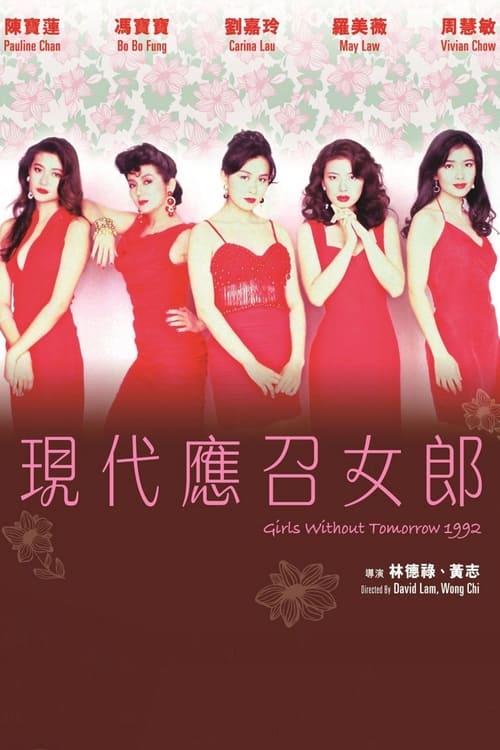
Girls Without Tomorrow
1992
No user ratings available yet
Representation score: 6.2 out of 10
Representation Score
Fair
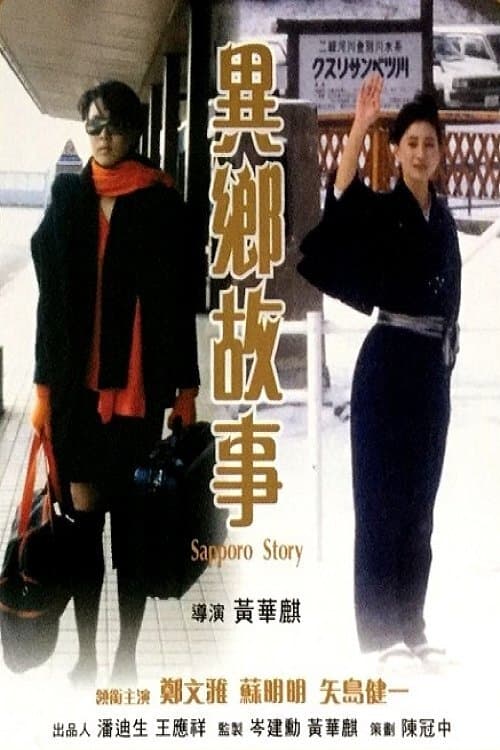
1987
Director
Wong Wa-Kei
Runtime
120 minutes
Average Rating
No ratings yetNew Showbiz Analysis
Sapporo Story is a socially realistic film that prioritizes the perspectives of underrepresented women. It moves away from Western-centric narratives by exploring the intersection of Chinese and Japanese identities through an immigrant lens. While the film excels at portraying women's ability to drive the story and the complexities of displacement, it does not provide explicit markers for queer or disability-related representation. Instead, it focuses on survival and economic necessity. Ultimately, the film offers a gritty, nuanced look at urban capitalism and the struggles of those living on the fringes of society.
Category Breakdown
The film focuses on female intimacy and shared trauma within the sex industry but does not explicitly address non-straight relationships or challenge the assumption that everyone is straight.
The movie disrupts traditional gender roles by emphasizing the active role of women in a male-dominated environment. The female characters are shown as strong and independent, taking charge of their lives.
By highlighting Chinese expatriates in Tokyo, the film avoids a Western-centric perspective. It provides a detailed look at the experiences of immigrants and the nuances of East Asian identities.
The story critiques structural inequalities by presenting sex work as a response to economic pressures. It highlights how societal structures can be exploitative or indifferent.
There is no apparent depiction of physical or neurodivergent disabilities in this film.
Present on Screen
Limited or Absent
Official Synopsis
Two Chinese girls become prostitutes in Tokyo.
1992

1956
1988

1998
1986

2000
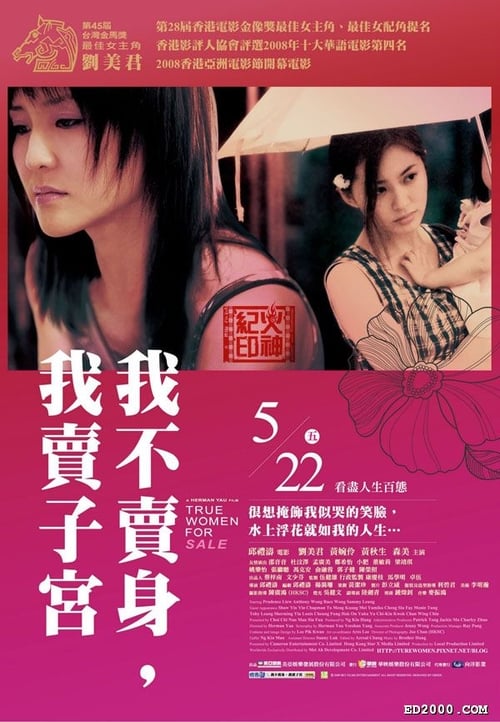
2008

1991
No reviews yet. Be the first to share your thoughts on this movie!
Use the rating form above to leave a star rating and optional review.