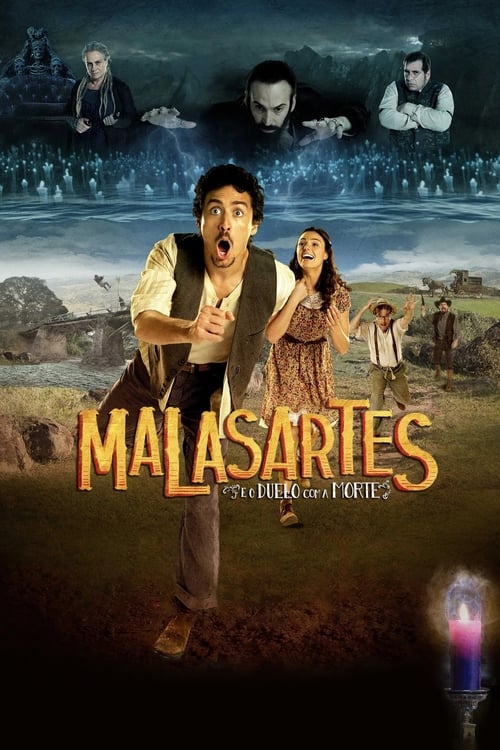
Malasartes e o Duelo com a Morte
2017
No user ratings available yet
Representation score: 5.0 out of 10

Representation Score
Fair
2007
Director
Moacyr Góes
Runtime
106 minutes
Average Rating
No ratings yetNew Showbiz Analysis
The film uses the mythical hero cliché to critique domestic and professional subjugation. Through Zé Araújo's journey from a underrepresented figure to the legendary Ojuara, the story explores the reclamation of ability to act through unconventional means. While the film avoids Western-centric storytelling by leaning into Brazilian mythos, it lacks specific details regarding racial casting or LGBTQ+ identities. However, its thematic focus on breaking traditional social constraints provides a progressive framework for individual liberation. Ultimately, the work uses fantasy and horror to challenge the weight of traditional authority, framing institutional adherence as a source of dehumanization.
Category Breakdown
The film focuses on a protagonist struggling against a forced marriage, questioning the pressures of traditional heterosexual relationships. While specific LGBTQ+ identities are not detailed, the story challenges conventional domestic structures.
The film portrays a patriarchal father-in-law as an oppressor, disrupting traditional masculine dominance. It centers on a man reclaiming his own control, escaping humiliating control.
As a Brazilian production, the film prioritizes regional identity and non-Western storytelling traditions, moving away from Anglo-Saxon centricity.
The story celebrates the subversion of traditional marriage and labor hierarchies, framing established social institutions as sources of humiliation rather than stability.
The available information provides no evidence regarding the portrayal of physical or neurodivergent disabilities.
Present on Screen
Limited or Absent
Official Synopsis
After being forced into a marriage and enduring a humiliating work routine in the hands of his father-in-law, Zé Araújo becomes the mythical Ojuara, an unconventional hero devoted to debauchery.
2017
1976
1969

1963

2017
1970
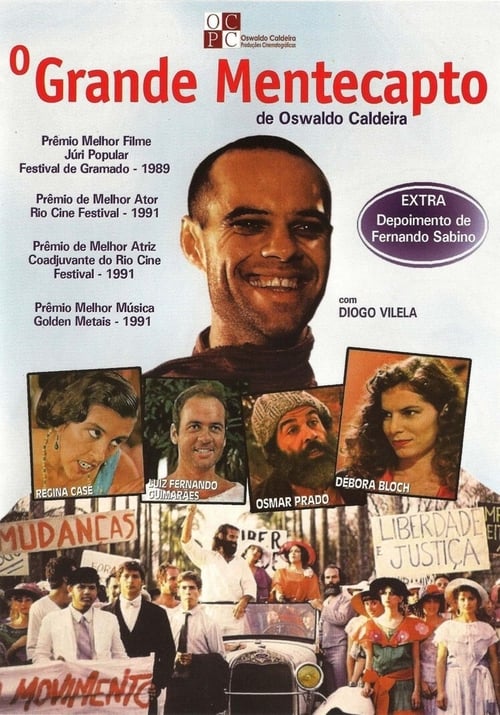
1989

2013
No reviews yet. Be the first to share your thoughts on this movie!
Use the rating form above to leave a star rating and optional review.