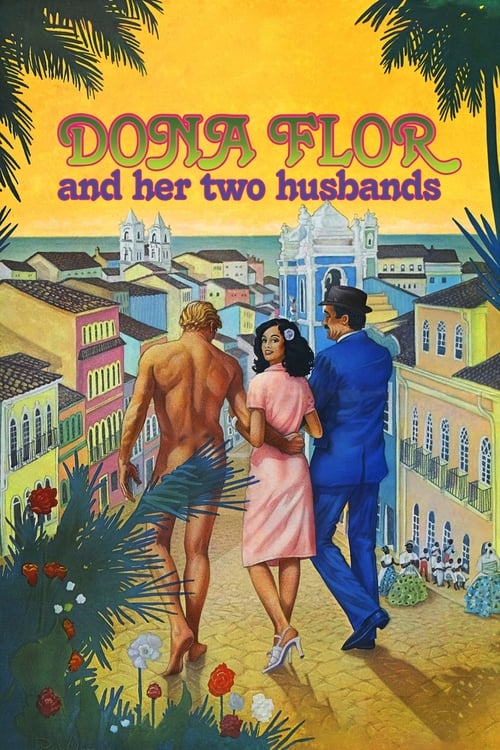
Dona Flor and Her Two Husbands
1976
No user ratings available yet
Representation score: 5.2 out of 10
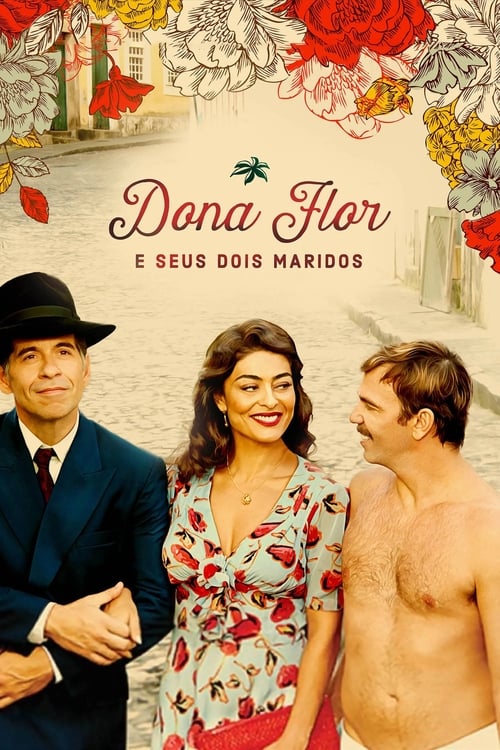
Representation Score
Fair
2017
Director
Pedro Vasconcelos
Runtime
108 minutes
Average Rating
No ratings yetNew Showbiz Analysis
The film offers a nuanced look at women's ability to drive the story and moral complexity. By centering Flor's autonomy as she navigates conflicting desires, the story disrupts standard domestic clichés and challenges the idea of a singular, stable marriage. However, the narrative remains largely anchored in traditional romantic structures. While it subverts some gendered expectations regarding economic stability, it does not engage in radical identity politics or queer subversion. Ultimately, the film succeeds in exploring human desire and cultural archetypes, even if it stays within the bounds of conventional conventions that assume everyone is straight.
Category Breakdown
The story focuses on a woman navigating relationships with two men, including a ghost. While it explores non-traditional romantic dynamics, it lacks explicit LGBTQ+ identities.
Flor serves as the primary economic driver, managing her career while dealing with her husband's instability. The film complicates traditional gender roles by contrasting stability with erotic vitality.
Set in a Brazilian city, the film operates within a multi-ethnic Lusophone context. However, there is no specific evidence of a deliberate multi-layered casting strategy.
The narrative prioritizes situational ethics over rigid moralism. It critiques bourgeois social structures by valuing both a stable marriage and a transgressive connection.
There are no visible or invisible disabilities portrayed that impact the narrative arc.
Present on Screen
Limited or Absent
Official Synopsis
In a small city of Brazil, Flor (a very good looking woman) marries Vadinho, a very handsome and erotic man. Once married she finds he is a good-for-nothing. She works teaching cooking to her neighbours but he takes all her money to gamble. One day he dies. Flor misses the goods of the marriage so she marries again with a very correct gentleman – the owner of the drugstore (Teodoro). Now she’s very happy with her man, but misses the erotic moments with her previous husband. Then the ghost of Vadhino comes to earth to chase her.
1976
2009
1987
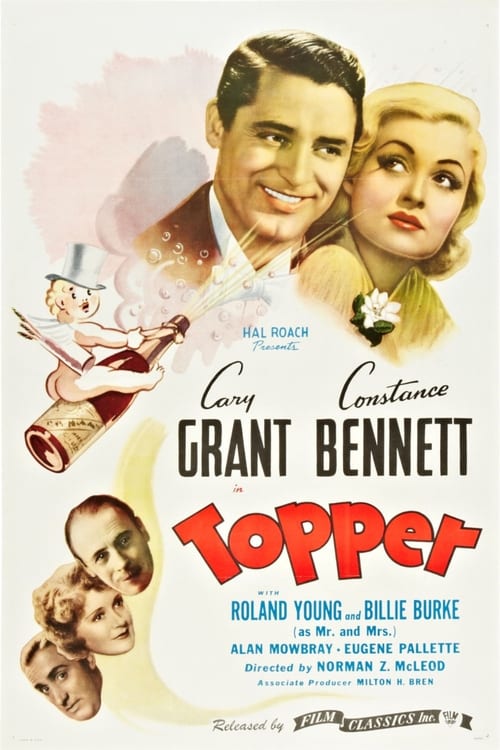
1937
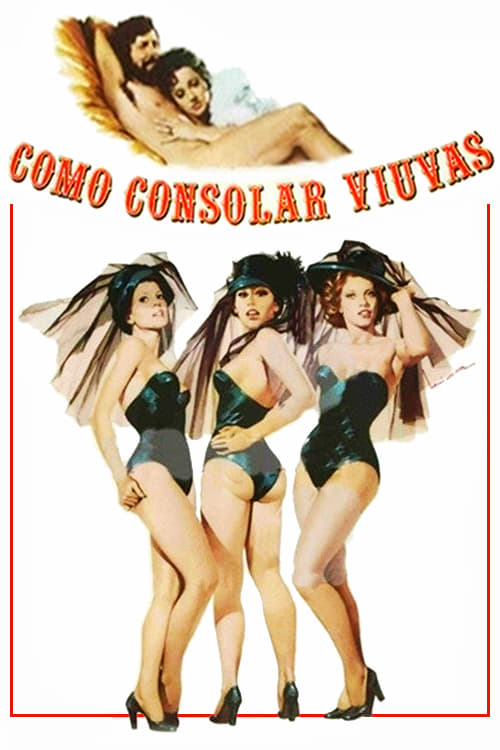
1976
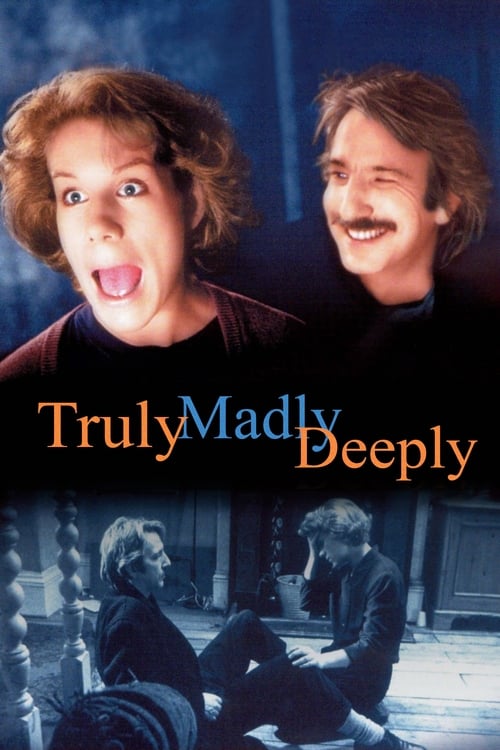
1991

2017
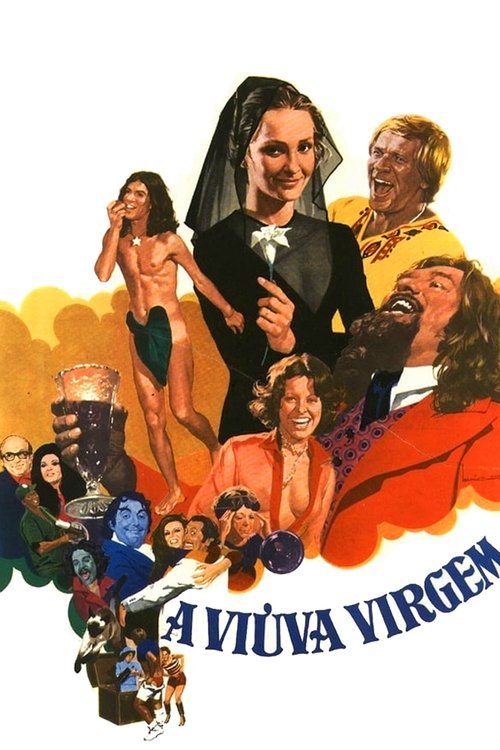
1972
No reviews yet. Be the first to share your thoughts on this movie!
Use the rating form above to leave a star rating and optional review.