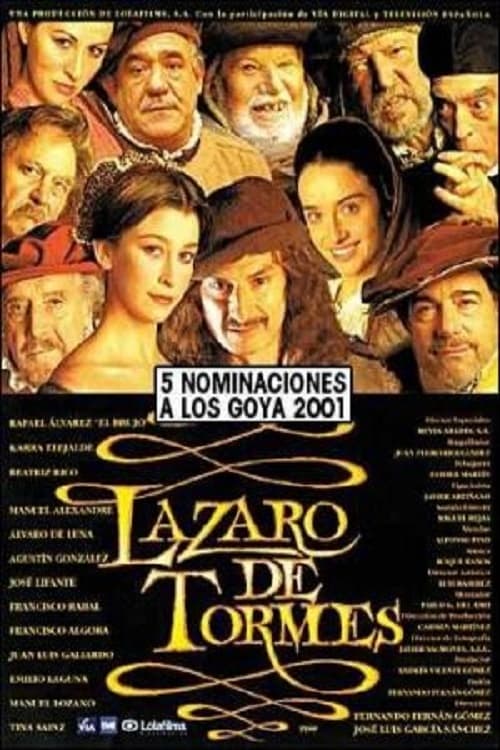
Lázaro de Tormes
2001
No user ratings available yet
Representation score: 4.5 out of 10

Representation Score
Limited
1963
Not RatedDirector
Luis García Berlanga
Runtime
91 minutes
Average Rating
No ratings yetNew Showbiz Analysis
The Executioner is a sophisticated work of social satire that emphasizes thematic depth over demographic diversity. Despite the lack of LGBTQ+ representation, ethnic diversity, or disability, the film excels in its intellectual critique of power structures. It uses dark humor to reveal the banality of systemic evil, particularly state-sanctioned violence. However, the film remains tied to the rigid gender roles and ethnic homogeneity of its time period.
Category Breakdown
The film does not include any LGBTQ+ characters or stories. It portrays a society focused on traditional marriages and family responsibilities.
Women are shown mainly as part of the social order rather than as drivers of change. The story highlights the patriarchal constraints and domestic pressures of 1960s Spain.
The story centers on a homogeneous Spanish population from a small region. There is no significant mixing of races or ethnicities.
Berlanga critically examines Western legal and state systems. He portrays the execution process as an impersonal, administrative task rather than a moral duty.
The film does not feature any meaningful portrayal of disabilities. Characters are defined by their roles within the socioeconomic structure and their connections to the state.
Present on Screen
Limited or Absent
Official Synopsis
An undertaker gets married to an old executioner's daughter and, although he doesn't like it, must continue the profession of his father-in-law after his retirement.
2001

1976

2005

1993

1976
1964
1951

1944
No reviews yet. Be the first to share your thoughts on this movie!
Use the rating form above to leave a star rating and optional review.