Wolf of New York
1940
No user ratings available yet
Representation score: 2.3 out of 10

Representation Score
Limited
1940
PassedDirector
Vincent Sherman
Runtime
75 minutes
Average Rating
No ratings yetNew Showbiz Analysis
The film functions as a typical crime drama from the 1940s, emphasizing traditional narrative structures and established social hierarchies. The central conflict centers on a male protagonist's struggle with professional integrity against a corrupt legal environment. Since the film adheres to the rigid moral frameworks of the studio era, it lacks complexity in representing multiple aspects of diversity. The representation stays within the conventional boundaries of the period, offering little disruption to established social norms.
Category Breakdown
The film does not include any characters with non-straight sexual orientations or non-cisgender gender identities. It follows the traditional romance and gender roles typical of the era's strict censorship rules.
The story revolves around a male law graduate and his brother, emphasizing masculine themes of professional success. There is no indication of challenging traditional gender hierarchies.
The narrative likely reflects the homogeneous society of 1940, featuring a predominantly white, Anglo-Saxon cast. No diverse characters or actors from different backgrounds are featured.
The story examines the tension between legal systems and crime through a lens of traditional Western values. It does not critique Western institutions or anti-capitalist ideas.
There is no mention of characters with visible or invisible disabilities in the narrative.
Present on Screen
Limited or Absent
Official Synopsis
A young law graduate joins his older brother's legal practice, only to discover the firm's clients are mostly mobsters.
1940
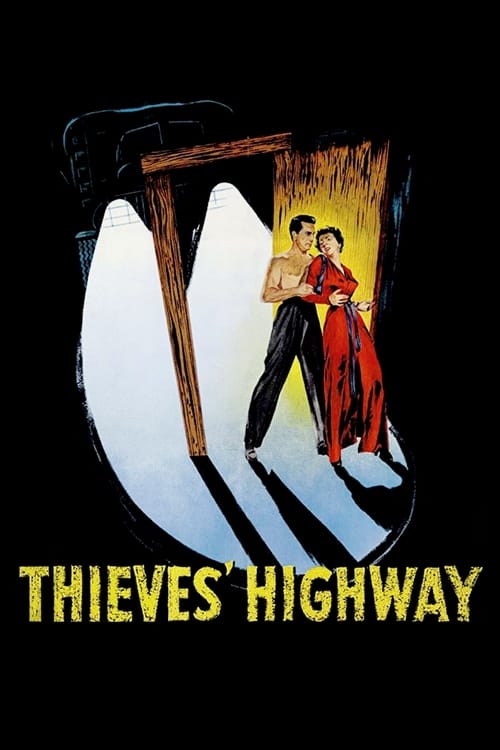
1949
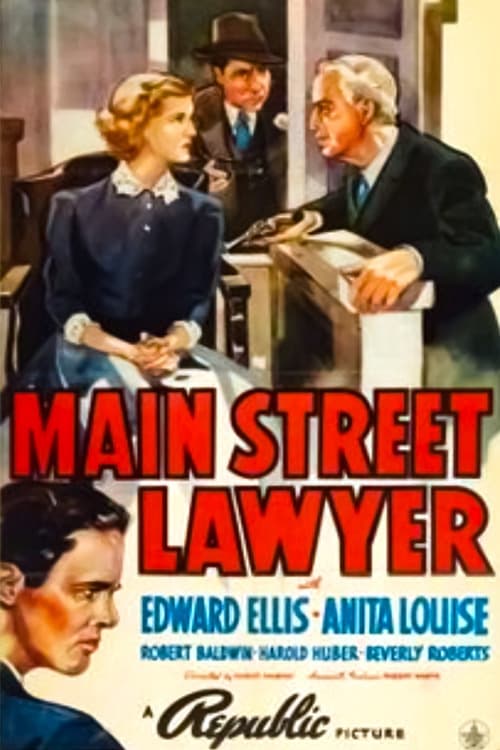
1939
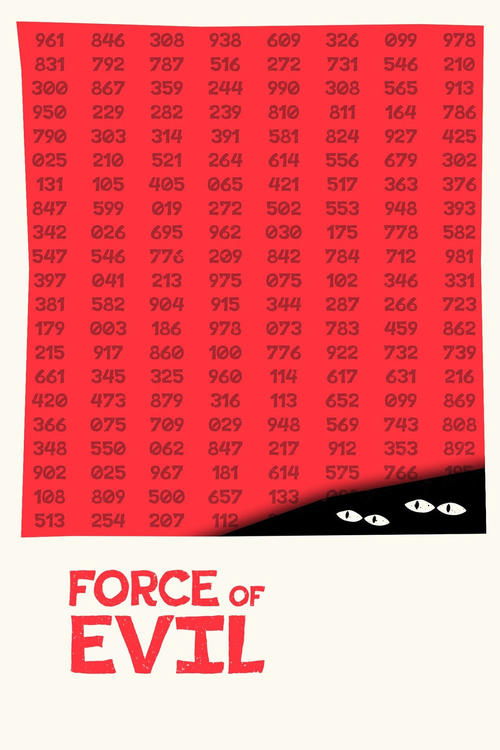
1950
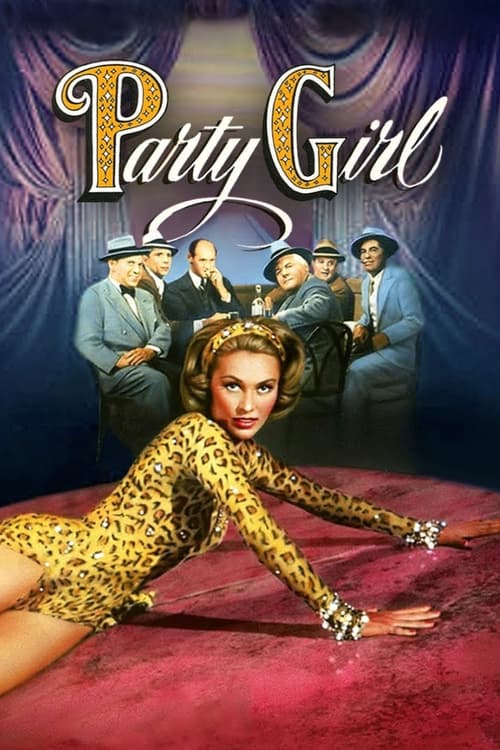
1958
1940
1940
1939
No reviews yet. Be the first to share your thoughts on this movie!
Use the rating form above to leave a star rating and optional review.