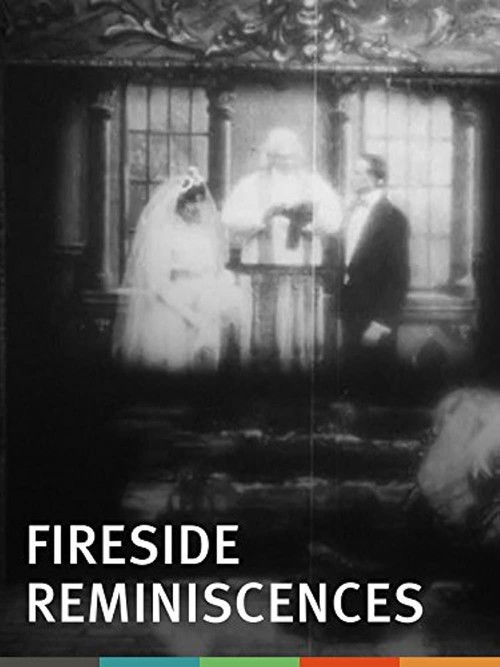
Fireside Reminiscences
1908
No user ratings available yet
Diversity score: 1.4 out of 10
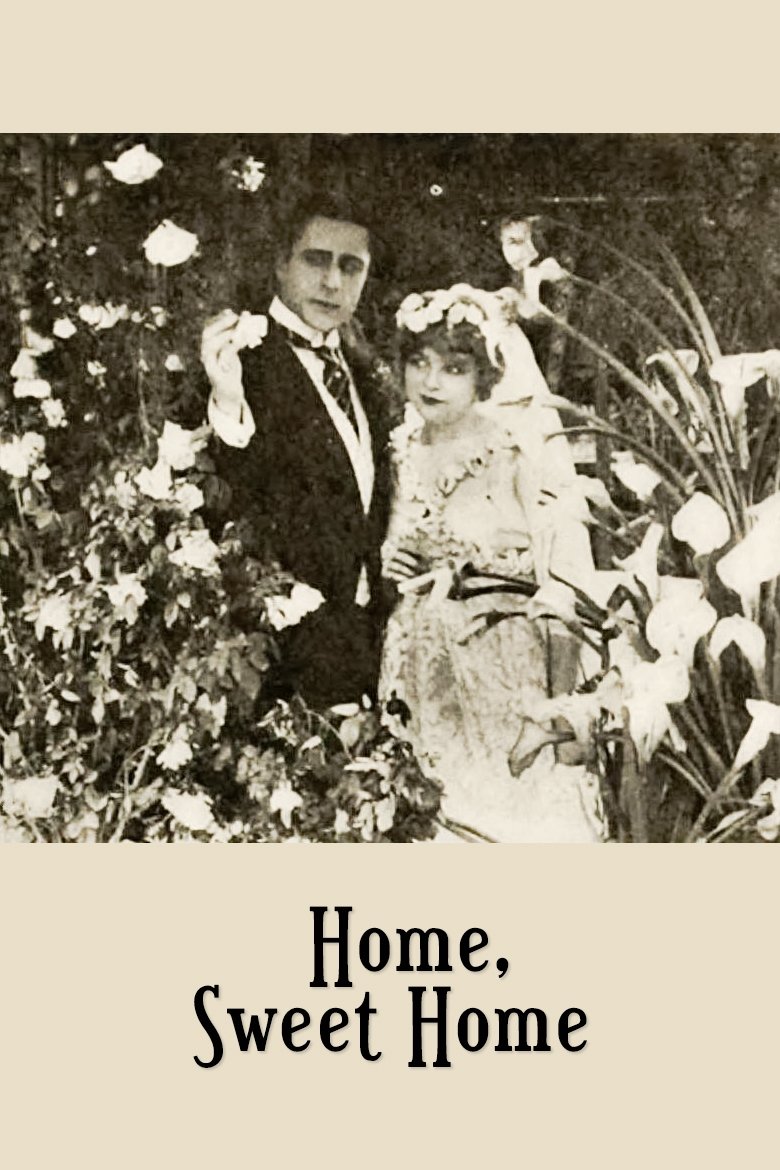
1914
NRDirector
D.W. Griffith
Runtime
55 minutes
Average Rating
No ratings yetSynopsis
John Howard Payne leaves home and begins a career in the theater. Despite encouragement from his mother and his sweetheart, Payne begins to lead a life of dissolute habits, and this soon leads to ruin and misery. In deep despair, he thinks of better days, and writes a song that later provides inspiration to several others in their own times of need.
Overall Score
Minimal
Category Breakdown
LGBTQ+ Representation
The film follows a heteronormative romantic structure centered on a traditional sweetheart. No queer subtext or non-cisnormative identities are present in the narrative.
Gender Representation
Women serve as moral anchors and pillars of domestic stability. The plot reinforces a hierarchy where female characters support the male protagonist's journey.
Racial & Ethnic Diversity
The story follows a homogeneous, Anglo-centric biographical trajectory. There is no indication of racial blending or non-white majority casting.
Religious & Cultural Diversity
The narrative emphasizes Western values like domesticity and the sanctity of the home. It prioritizes conventional morality and social reintegration through sentimentalism.
Disability Representation
The film contains no documented evidence of characters navigating physical, neurodivergent, or mental health challenges.
Strengths
Areas for Improvement
AI Analysis
D.W. Griffith’s work here functions as a traditional moral melodrama. The film relies on sentimentalism to drive a singular, conventional arc of ruin and redemption, reinforcing early 20th-century social hierarchies rather than challenging them. The narrative is deeply rooted in Western domestic values. By positioning women as emotional stabilizers for a male lead, the film adheres to established gendered roles and lacks any engagement with intersectional identities or progressive social critiques.
1908

1934
1935
1917
1919
1926
1913

1909
No reviews yet. Be the first to share your thoughts on this movie!
Use the rating form above to leave a star rating and optional review.