Find another title
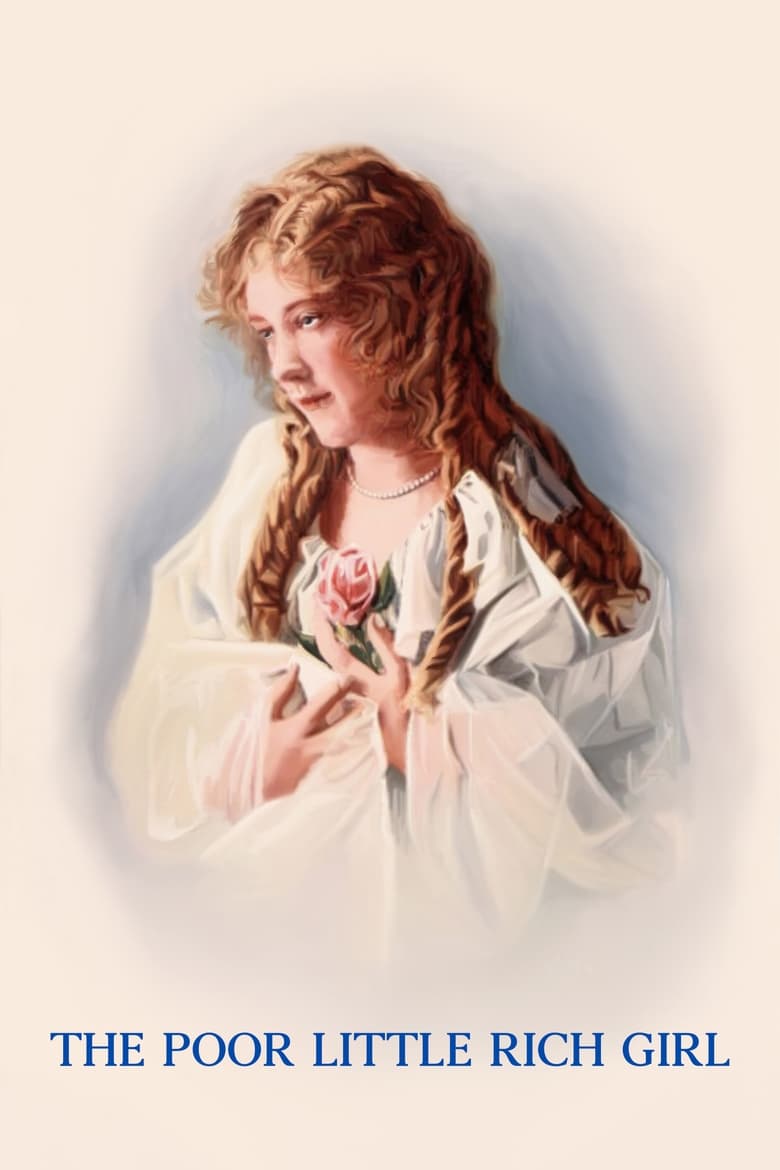
The Poor Little Rich Girl
1917
Director
Maurice Tourneur
Runtime
78 minutes
Average Rating
No ratings yetSynopsis
Gwen's family is rich, but her parents ignore her and most of the servants push her around, so she is lonely and unhappy. Her father is concerned only with making money, and her mother cares only about her social position. But one day a servant's irresponsibility creates a crisis that causes everyone to rethink what is important to them.
Where to Watch
Diversity & Representation
Overall Score
Limited
Category Breakdown
LGBTQ+ Representation
The film contains no discernible LGBTQ+ characters or non-cisnormative identities. It adheres strictly to the social and romantic conventions of the early 20th century.
Gender Representation
The story centers the emotional agency of a young female protagonist, Becky, rather than treating her as a passive observer. However, it does not actively subvert gender roles or promote non-traditional femininity.
Racial & Ethnic Diversity
The cast is largely homogeneous, reflecting the production standards of 1917. There is no evidence of racial blending or intersectional representation within the primary cast.
Religious & Cultural Diversity
The narrative offers a critique of Western institutions by framing wealth and social status as sources of emotional isolation. It challenges the sanctity of the traditional capitalist family unit.
Disability Representation
There are no prominent depictions of physical or neurodivergent disabilities used as central plot devices or character traits.
Strengths
- The narrative centers the emotional agency and internal life of a young female protagonist.
- The film provides a nuanced critique of class hierarchies and the pursuit of capital.
- It challenges the idea that material wealth leads to social or emotional fulfillment.
Areas for Improvement
- The cast lacks racial and ethnic diversity, reflecting the era's homogeneity.
- There is no representation of LGBTQ+ identities or non-cisnormative characters.
- The film does not actively subvert traditional gender roles through its characterizations.
AI Analysis
The film's diversity profile is defined by its era, lacking modern intersectional markers such as LGBTQ+ or racial diversity. The cast remains largely homogeneous, consistent with 1917 production standards. However, the film finds strength in its thematic depth. It disrupts the era's typical celebration of wealth by critiquing class structures and the emotional voids created by material accumulation. By centering a young female lead, it provides a degree of emotional agency often missing in period dramas. Ultimately, while the film lacks contemporary representation, its focus on the dysfunction of the capitalist family unit provides a sophisticated psychological layer.
Rate this Movie
Reviews
No reviews yet. Be the first to share your thoughts on this movie!
Use the rating form above to leave a star rating and optional review.