
Red Hot Chili Peppers - Funky Monks
1991
No user ratings available yet
Representation score: 3.5 out of 10
Representation Score
Minimal
1998
Not RatedDirector
Mark Pellington
Runtime
45 minutes
Average Rating
No ratings yetNew Showbiz Analysis
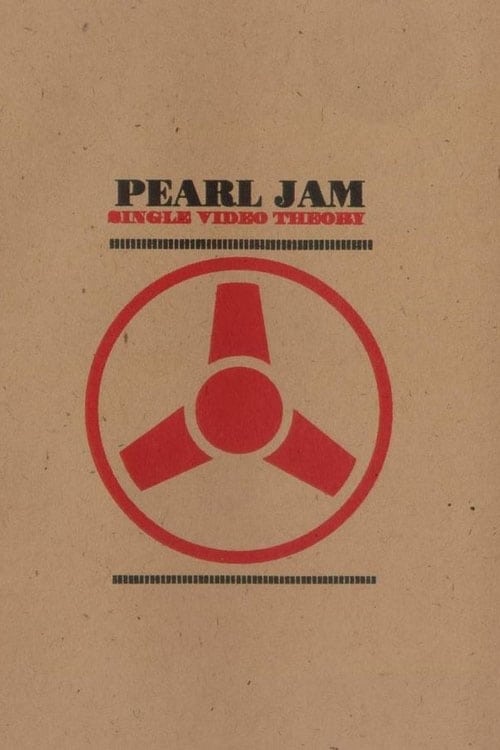
Pearl Jam: Single Video Theory offers a technical and artistic glimpse into a specific musical era. It serves as a behind-the-scenes look at the recording process rather than a platform for social commentary. The film adheres to a traditional, male-centric rock documentary format. Since the content is centered on the band's studio sessions, it does not have the structure needed to explore overlapping identities or challenge societal norms. Ultimately, the work reflects the demographic homogeneity of the 1990s grunge scene. While it does not actively promote harmful stereotypes, it provides minimal representation for underrepresented groups.
Category Breakdown
The film does not include any visible LGBTQ+ characters or stories about non-cisgender identities. The focus is solely on the band members and their music.
The story focuses on the male members of Pearl Jam during their studio sessions. It does not give much attention to women or challenge traditional male roles in the creative process.
The footage shows a mostly white cast typical of the grunge era. There is no evidence of a diverse or non-Anglo-Saxon majority in the studio settings.
The documentary emphasizes individual artistic expression rather than religious or cultural messages. It does not explicitly promote or criticize specific Western social or religious structures.
There is no evidence of individuals with visible or invisible disabilities being shown with ability to act or included in the documentary's story.
Present on Screen
Limited or Absent
Official Synopsis
This video is not your typical collection of music videos. Rather than being simply a straightforward presentation of videos, Single Video Theory also contains footage of the band members recording their album in the studio. The camera captures the actual recording sessions as well as the band members chatting candidly about their concept and ideas for the music. Directed by Mark Pellington and shot in 16mm over 3 days in 1997.
1991
2018
1997

2024

2005
2003

1997

2003
No reviews yet. Be the first to share your thoughts on this movie!
Use the rating form above to leave a star rating and optional review.