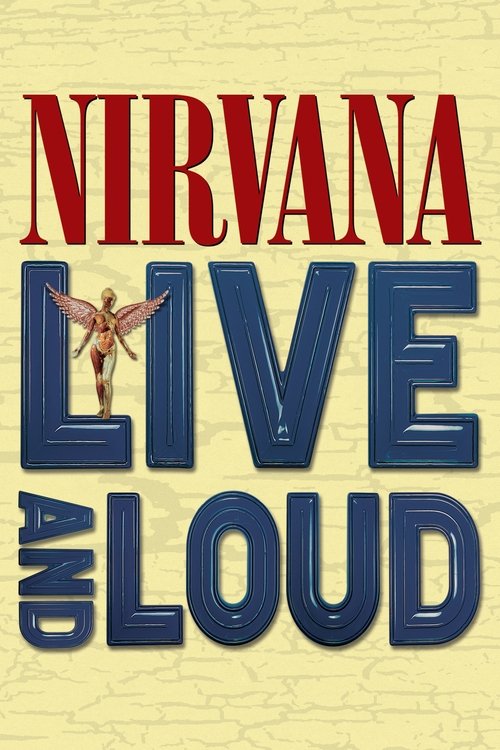
Nirvana: Live and Loud
1993
No user ratings available yet
Representation score: 3.1 out of 10

Representation Score
Fair
1993
Director
Beth McCarthy-Miller
Runtime
45 minutes
Average Rating
No ratings yetNew Showbiz Analysis
Nirvana's Unplugged performance is a key musical document that emphasizes raw authenticity over social disruption. It serves as a cultural marker of the 1990s grunge movement rather than a showcase of diverse identities. The work sticks to the demographic and social norms of its time, without aiming to highlight underrepresented groups. While it breaks musical conventions by avoiding high production values, it doesn't aim to challenge traditional social structures. Overall, the performance is defined by its musicality and the specific demographic makeup of the Seattle alternative scene, adopting a traditional approach to representation.
Category Breakdown
The performance doesn't include explicit LGBTQ+ characters or narratives. While the era's aesthetics sometimes hint at queer themes, this recording focuses solely on acoustic music without showing any non-traditional gender roles.
The ensemble is predominantly male, but Lori Maroney's backing vocals offer a needed contrast that breaks up the otherwise uniform male lineup.
The cast is mostly made up of similar types of people, reflecting the demographics of the early 1990s Seattle grunge scene. There isn't much mixing of different races or ethnicities among the performers.
The performance challenges mainstream commercial standards with a simple acoustic format. Covering songs like those by Lead Belly introduces folk traditions that aren't part of the typical Western pop style.
There is no visible or intentional representation of physical or neurodivergent disabilities. The focus stays completely on the musical performance and the physical presence of the musicians.
Present on Screen
Limited or Absent
Official Synopsis
An edited version of Nirvana's historic acoustic performance at Sony Music Studios in New York City, presented in a 45-minute television format for MTV. Recorded on November 18, 1993, the broadcast features a selection of their classic tracks, including 'About a Girl', 'Dumb', and 'All Apologies'.
1993
1991
2000
1997
2005
1998
1992
1987
No reviews yet. Be the first to share your thoughts on this movie!
Use the rating form above to leave a star rating and optional review.