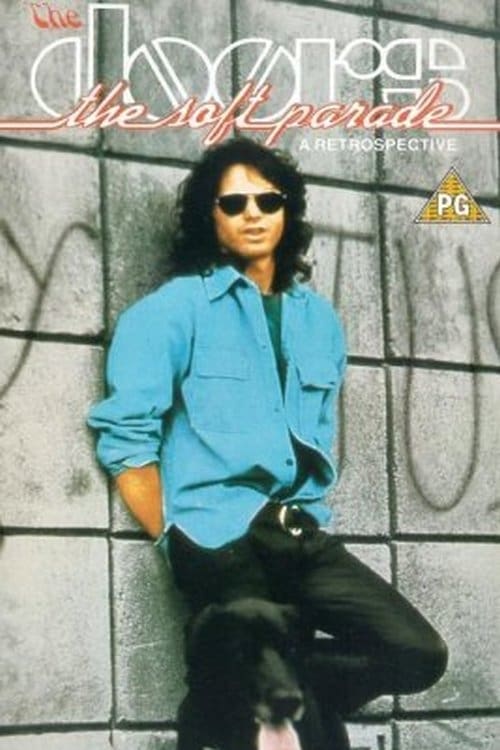
The Doors - The Soft Parade
1991
No user ratings available yet
Representation score: 5.5 out of 10
Representation Score
Fair
1985
Director
Ray Manzarek
Runtime
65 minutes
Average Rating
No ratings yetNew Showbiz Analysis
The film serves as a historical record of a specific musical period rather than a narrative focused on social commentary. It captures the countercultural rebellion of the 1960s through its aesthetic and philosophical impact. However, its focus on a homogeneous group limits broader representation across gender and race.
Category Breakdown
The film doesn't include explicit LGBTQ+ stories or identity markers. However, the era's fluid gender expressions and challenges to traditional masculinity offer indirect representation through performance styles.
The film centers on a male-dominated rock band, reflecting traditional musical hierarchies. It lacks female-driven narratives or challenges to gendered power structures.
The cast is predominantly made up of similar individuals, focusing on the specific cultural context of the band. While it avoids racial stereotypes, it doesn't feature diverse racial or ethnic representation.
The film honors the countercultural movement and the psychedelic era. It preserves a legacy of rejecting traditional Western institutions and social norms.
There is no indication of physical or cognitive disabilities being portrayed in this collection of concert footage.
Present on Screen
Limited or Absent
Official Synopsis
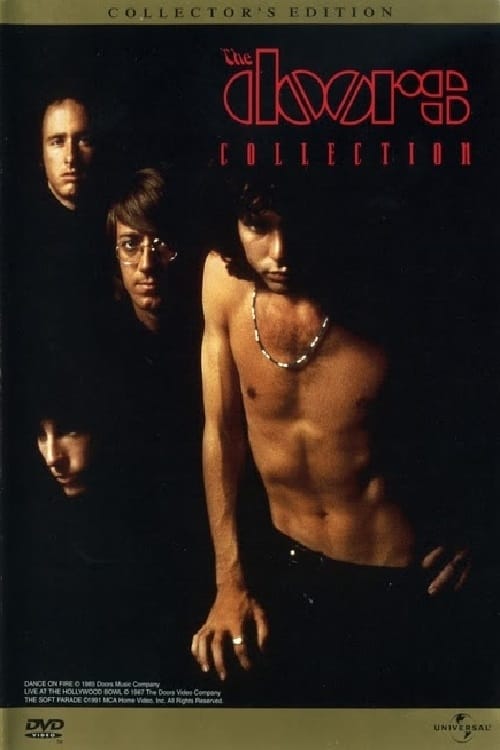
A combination of concert footage, television appearances, record company promo clips and new video footage shows the Doors, a top '60s rock band. This film would later become part of The Doors 30th Anniversary Collection (released in 1999 and 2001) which compiles three films previously released by MCA/Universal Home Video: Dance on Fire (1985), Live at the Hollywood Bowl (1987) and The Soft Parade: A Retrospective (1991).
1991
2010
1999
1969

1992
2002
2002

1968
No reviews yet. Be the first to share your thoughts on this movie!
Use the rating form above to leave a star rating and optional review.