
Aerosmith - Rocks Donington 2014
2015
No user ratings available yet
Representation score: 0.2 out of 10
Representation Score
Limited
2013
Director
Casey Tebo
Runtime
114 minutes
Average Rating
No ratings yetNew Showbiz Analysis
The Aerosmith documentary celebrates live performance and communal catharsis. It provides significant visibility to a non-Western audience, moving beyond typical Western-centric narratives by centering the Japanese fans. However, the film remains tied to traditional rock-and-roll hierarchies, focusing on the male-dominated structure of the band. It prioritizes the energy of the tour over diverse identity exploration.
Category Breakdown
The film does not focus on LGBTQ+ identities and instead centers on the band's established public personas and traditional concert dynamics.
The narrative ability to act is heavily focused on the male members of the rock band. The film adheres to standard genre conventions rather than challenging masculine stereotypes.
The documentary highlights a non-Western demographic by focusing on the Japanese audience, showcasing a meaningful cross-cultural exchange between American rock and local fans.
The film portrays music as a bridge for international connection after the Fukushima disaster. It emphasizes resilience and shared experience rather than systemic critique.
There are no specific depictions of disabilities that drive the narrative or serve as central character arcs.
Present on Screen
Limited or Absent
Official Synopsis
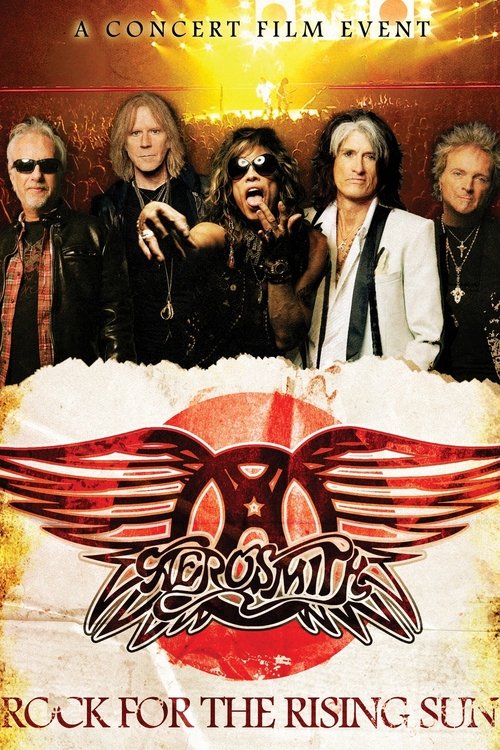
In March 2011 Japan was beset by a huge earthquake, a monstrous tsunami and the subsequent meltdown of the Fukushima nuclear plant. In the autumn of 2011, despite advice to the contrary, Aerosmith brought their Back On The Road tour to Japan, a country with which they'd always had a special relationship. The Japanese fans came out in their droves and Aerosmith responded with some of the finest gigs of their distinguished career. This film follows the band on that tour combining full length live tracks with behind the scenes footage which is at times touching and emotional and at others humorous and insightful. More than anything else it demonstrates the Japanese fans love affair with Aerosmith and their music.
2015

2019

2011

2018

2009

2008

2016

2013
No reviews yet. Be the first to share your thoughts on this movie!
Use the rating form above to leave a star rating and optional review.