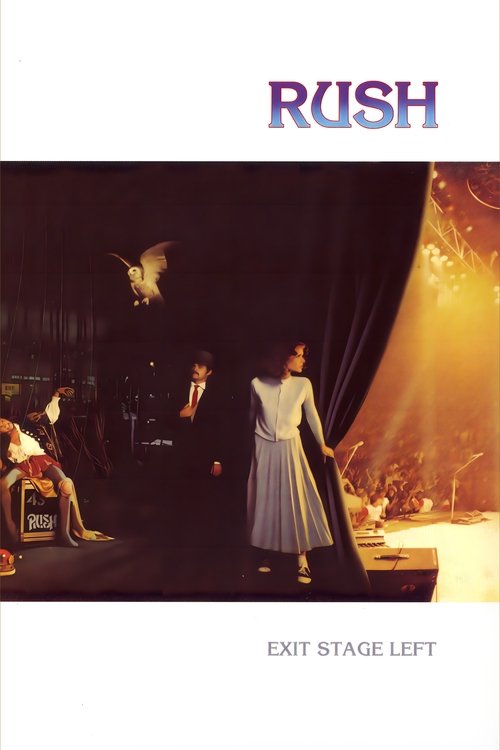
Rush: Exit... Stage Left
1982
No user ratings available yet
Representation score: 3.5 out of 10
Representation Score
Minimal
1986
Director
David Mallet
Runtime
63 minutes
Average Rating
No ratings yetNew Showbiz Analysis
This concert documentary centers on the technical and artistic execution of Rush's music, prioritizing performance over social commentary. Reflecting mid-1980s industry standards, the film focuses primarily on the band's musical output. The production highlights a homogeneous male demographic, offering limited representation of diverse identities. It serves as a snapshot of a specific era in rock history without providing a platform for broader social or cultural narratives. While the music captures the sociopolitical tensions of the time, the visual narrative remains centered on the trio, neglecting broader social issues.
Category Breakdown
The film serves as a musical performance record and does not depict any LGBTQ+ characters or explore non-traditional gender identities.
The film focuses visually on the three male band members. It lacks any meaningful exploration of women's ability to drive the story or subversion of traditional gender roles.
The film features a predominantly homogeneous cast of three performers. The camera work emphasizes a single demographic without showcasing diverse representation.
The film resonates with Orwellian themes of surveillance but remains within the scope of traditional rock performance without explicit social critique.
The film does not feature any performers with visible or invisible disabilities. Disability is not used as a narrative device.
Present on Screen
Limited or Absent
Official Synopsis
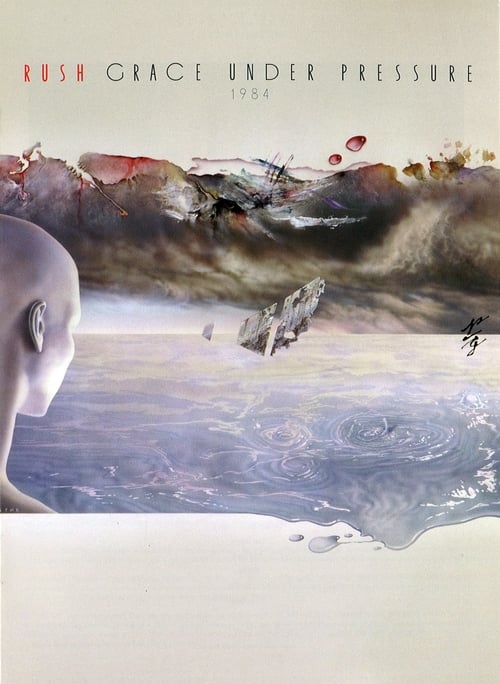
By 1984, Rush were becoming the world's most popular 'underground' band. The world was also in a sombre mood, perhaps reflecting on George Orwell's 1984 thoughts. Rush's music from the Grace Under Pressure album captured this mood well, and their footage of the Maple Leaf Gardens concert in their home town Toronto on 21 September 1984 covers many of the stunning tracks from that album.
1982
1981
1984
2005

1989
2000

1993
2005
No reviews yet. Be the first to share your thoughts on this movie!
Use the rating form above to leave a star rating and optional review.