The Perfect Weapon
1991
No user ratings available yet
Representation score: 1.1 out of 10
Representation Score
Minimal
1983
RDirector
Sam Firstenberg
Runtime
91 minutes
Average Rating
No ratings yetNew Showbiz Analysis
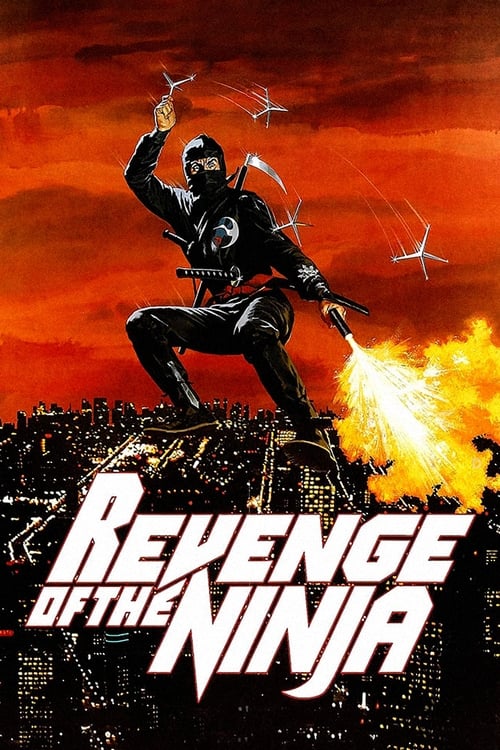
Revenge of the Ninja is a classic example of 1980s exploitation cinema, emphasizing fast-paced martial arts action over intricate storytelling. While it avoids the common issue of whitewashing by focusing on Asian characters and Japanese traditions, the portrayal remains confined to genre conventions rather than in-depth character development. The film leans heavily on traditional patriarchal structures, where the plot is dominated by male-centric conflicts. This leaves little room for female characters to take leading roles or explore diverse identities. This focus on masculine archetypes restricts the film’s broader social relevance. Overall, the film functions as a straightforward action movie. It lacks the layered exploration of diverse identities and systemic critiques needed to transcend the typical clichés of its time.
Category Breakdown
The film does not include any characters who identify as LGBTQ+. It focuses on traditional masculine action roles.
The story mainly revolves around male characters who have significant roles in driving the plot. Female characters are notably absent from positions of authority.
The film prominently features Asian characters, particularly those involved in Japanese martial arts traditions. However, this representation serves primarily to support genre-specific combat scenarios.
The narrative adheres to a simple good-versus-evil storyline without delving into deeper critiques of Western institutions or religious practices.
The film does not depict any characters with physical or cognitive disabilities. Characters are defined by their combat abilities alone.
Present on Screen
Limited or Absent
Official Synopsis
A peaceful ex-ninja's life shatters when his son's kidnapping forces him back into violence amid an American-Japanese criminal drug war.
1991
1974
2013
1974

1987
1973
1990

1991
No reviews yet. Be the first to share your thoughts on this movie!
Use the rating form above to leave a star rating and optional review.