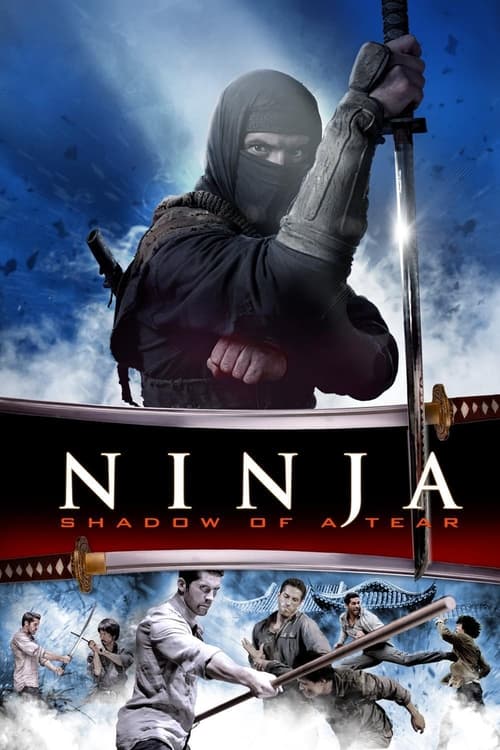
Ninja: Shadow of a Tear
2013
No user ratings available yet
Representation score: 1.4 out of 10
Representation Score
Minimal
2009
RDirector
Isaac Florentine
Runtime
83 minutes
Average Rating
No ratings yetNew Showbiz Analysis
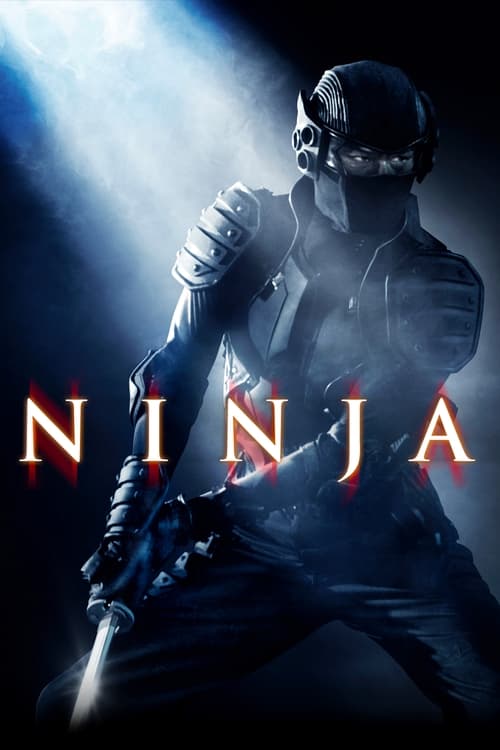
Ninja is a conventional genre piece that prioritizes martial arts clichés and traditional hero journeys over sociological depth. It functions as a study of vengeance and legacy rather than a tool for systemic subversion. The film relies on established hierarchies, particularly regarding gender and the outsider perspective of its Western lead. While the Japanese setting provides cultural texture, the narrative remains rooted in traditional moral frameworks. Ultimately, the work lacks complexity in representing multiple aspects of identity. It reinforces standard action-cinema structures instead of challenging them through diverse representation.
Category Breakdown
The film does not include any LGBTQ+ characters or narratives. The social landscape is strictly conventional without any exploration of queer identities.
Gender dynamics follow traditional action-cinema hierarchies. A female lead is central to the plot, but her role is largely reactive, serving as a catalyst for the male protagonist.
The setting and supporting cast are predominantly East Asian, providing cultural immersion. However, the Western protagonist maintains a standard outsider perspective common in the genre.
The story focuses on traditional concepts of honor and master-student lineage. It romanticizes ancient traditions and martial arts discipline rather than engaging in systemic critique.
There are no characters with visible or invisible disabilities. The narrative does not engage with neurodivergence or chronic illness.
Present on Screen
Limited or Absent
Official Synopsis
A westerner named Casey, studying Ninjutsu in Japan, is asked by the Sensei to return to New York to protect the legendary Yoroi Bitsu, an armored chest that contains the weapons of the last Koga Ninja.
2013

2009

2009

2010
1999

1989

2008
2003
No reviews yet. Be the first to share your thoughts on this movie!
Use the rating form above to leave a star rating and optional review.