
Ninja
2009
No user ratings available yet
Representation score: 1.5 out of 10
Representation Score
Minimal
2013
RDirector
Isaac Florentine
Runtime
95 minutes
Average Rating
No ratings yetNew Showbiz Analysis
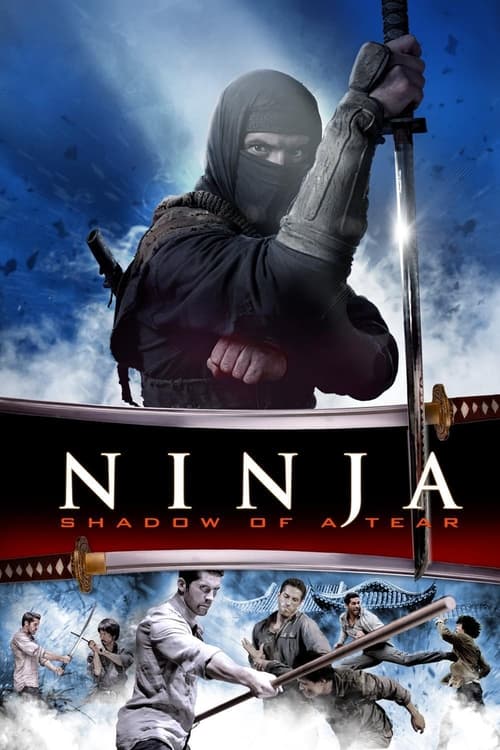
Ninja: Shadow of a Tear is a genre-standard martial arts thriller that leans heavily into traditional clichés. While the international locations offer visual variety, the film's core remains tethered to a Western-centric perspective. The narrative structure reinforces conventional hierarchies, with the protagonist's journey driven by a singular, masculine pursuit of vengeance. This leaves little room for diverse perspectives or the subversion of established social roles. Ultimately, the film prioritizes physical spectacle and individualist hero archetypes over complex sociopolitical or cultural exploration.
Category Breakdown
The film does not include any LGBTQ+ characters or non-straight relationships. The story focuses on traditional romantic and familial structures, emphasizing the protagonist's domestic life and subsequent loss.
The story revolves around a male protagonist whose actions are defined by physical strength. Female characters mainly serve as catalysts for revenge or secondary figures within the antagonist's sphere.
The film features an international setting with diverse visuals across Asia. However, the perspective remains that of a Caucasian outsider navigating these spaces rather than centering the ability to act of indigenous populations.
The story emphasizes personal vigilantism and the 'lone warrior' cliché over communal stability. Traditional familial bonds are reinforced through the lens of loss and the drive for retribution.
No characters with visible or invisible disabilities are portrayed as central to the story. There are no plot devices that utilize characters with disabilities.
Present on Screen
Limited or Absent
Official Synopsis
Fight everyone and trust no one: it's the code of survival practiced by martial-arts master Casey Bowman after his life of domestic bliss is shattered by a savage act of violence. Vowing revenge, the fearless American stealthily tracks the killer from Osaka to Bangkok to Rangoon with the help of a wise and crafty sensei. His only clues: a series of victims whose necks bear the distinctive mark of strangulation by barbed wire. Fighting to avenge as well as to survive, Casey must sharpen his razor-like responses and take his battle skills to the next level, even using deep meditation to fake his own death. His target: the sinister drug lord Goro, who is flooding the streets with deadly meth cooked at his remote jungle factory. To prepare for his ultimate confrontation, Casey must finally become an invisible warrior worthy of the name Ninja. But just when his prey is cornered, an unexpected twist shows Casey that his battle is only beginning: he truly can trust no one.
2009

1972

2019
2023
2009

2009
2008

2009
No reviews yet. Be the first to share your thoughts on this movie!
Use the rating form above to leave a star rating and optional review.