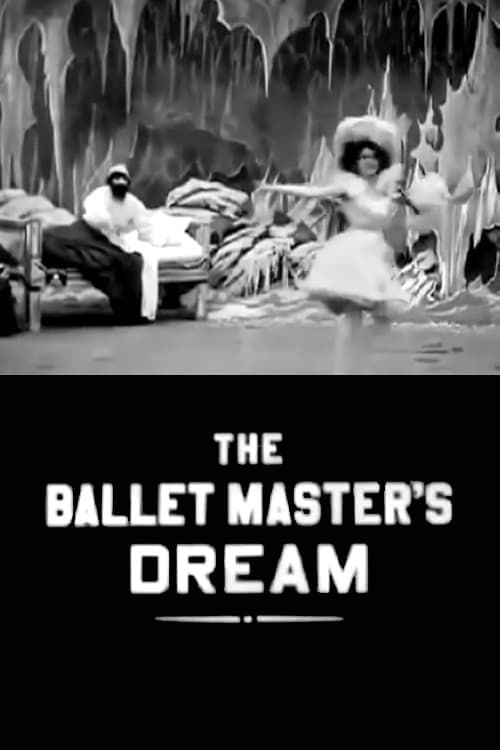
The Ballet Master's Dream
1903
No user ratings available yet
Diversity score: 2.3 out of 10

1903
Director
Georges Méliès
Runtime
3 minutes
Average Rating
No ratings yetSynopsis
With godly entrapments, Zeus appears on the horizon, engages Hermes as an audience, and tries to throw some thunderbolts. They fizzle. Hephaestus tries to make some repairs but succeeds only in heating the bolts and burning Zeus's hands. Zeus conjures nine muses, but do their incantations help? He dismisses them as well as a visiting Pan, and his fits of pique become counter-productive. Can he get his powers back?
Overall Score
Limited
Category Breakdown
LGBTQ+ Representation
The film focuses on classical mythological archetypes. There is no evidence of non-cisnormative gender identities or same-sex intimacy within the narrative.
Gender Representation
The film subverts traditional leadership by depicting Zeus as an incompetent patriarch rather than a stable leader. The Muses participate actively in the magical landscape, though their agency is tied to comedic failure.
Racial & Ethnic Diversity
The film adheres to the classical Western mythological canon. While divine archetypes can serve as metaphors, specific visual representations of race are not explicitly detailed.
Religious & Cultural Diversity
The narrative deconstructs absolute authority by portraying the king of the gods as ineffective. This use of mythological absurdity critiques rigid, traditional structures of power.
Disability Representation
There is no evidence of characters with physical or neurodivergent disabilities being utilized as plot devices or central themes.
Strengths
Areas for Improvement
AI Analysis
Georges Méliès uses mythological farce to dismantle the trope of the all-powerful deity. By presenting Zeus as a figure prone to technical failure and physical incompetence, the film replaces divine stability with chaotic, farcical reality. The narrative architecture prioritizes spectacle and the deconstruction of hierarchy. The failed attempts by Hephaestus to repair divine tools further emphasize a theme of dysfunction over order. While the film lacks modern intersectional markers, it succeeds in its early cinematic disruption of traditional power dynamics through comedy.
1903
1909
1900
1900
1901
1903
1897
1905
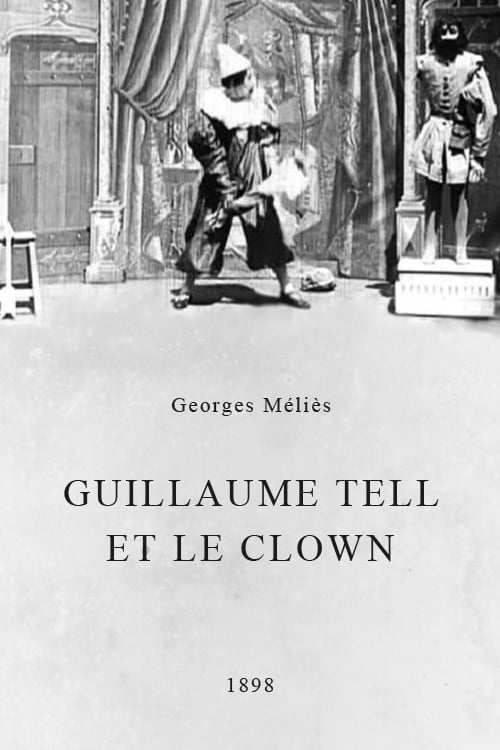
1898
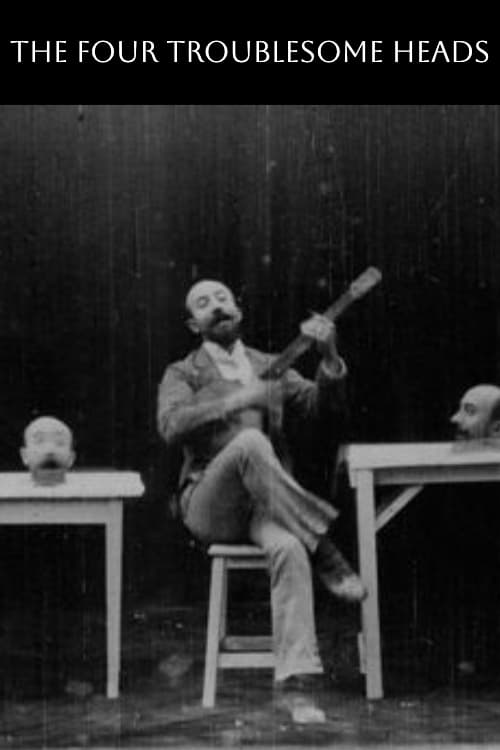
1898
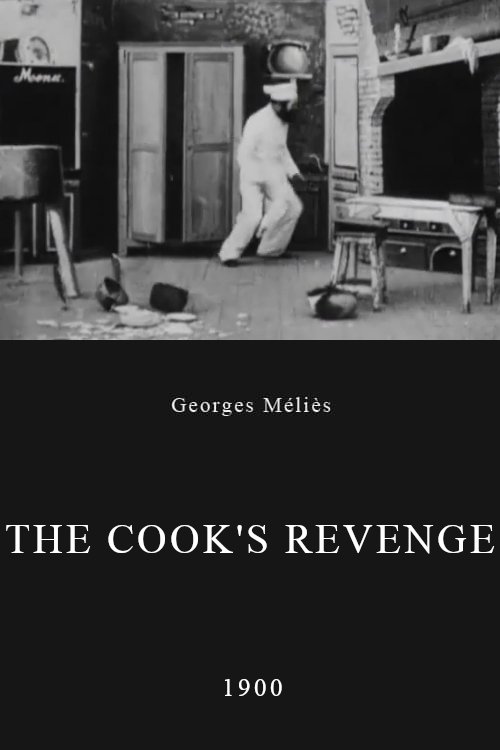
1900
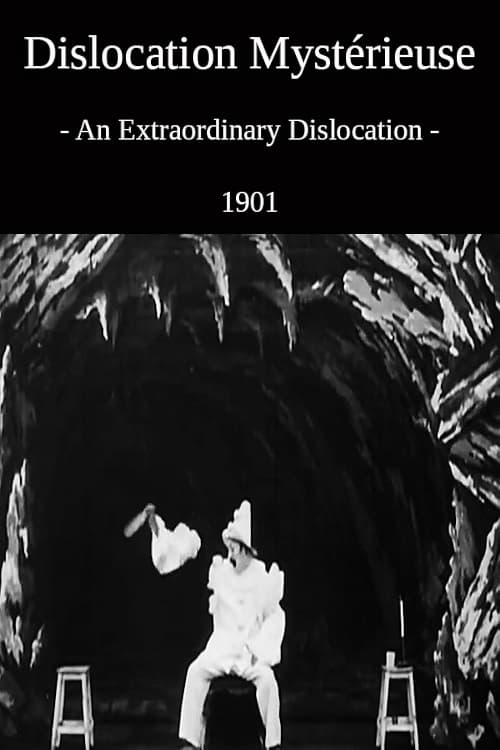
1901
No reviews yet. Be the first to share your thoughts on this movie!
Use the rating form above to leave a star rating and optional review.