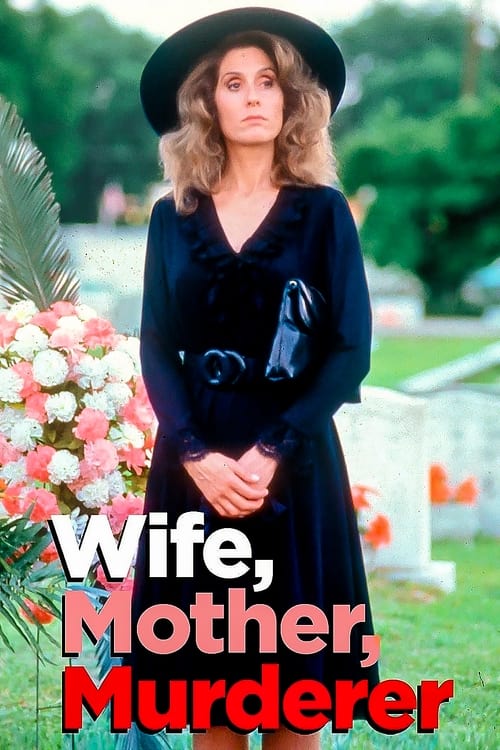
Wife, Mother, Murderer: The Marie Hilley Story
1991
No user ratings available yet
Representation score: 1.0 out of 10
Representation Score
Limited
1993
Director
Alan Metzger
Runtime
92 minutes
Average Rating
No ratings yetNew Showbiz Analysis
The film is a focused psychological character study that disrupts traditional gendered expectations of morality. By centering a female serial killer, it provides a rare subversion of the 'stable male leader' cliché through a lens of women's ability to drive the story. However, the work lacks breadth in terms of racial, LGBTQ+, or disability representation, keeping the overall score low. While it effectively deconstructs the domestic and religious status quo, the film's scope is narrow and centered on a singular, homogeneous social setting.
Category Breakdown
The film operates within a strictly straight-centered framework. The plot focuses solely on the protagonist's relationships with men, offering no queer narratives or non-cisgender identities.
The narrative challenges traditional gender roles by centering a female protagonist who play a significant role in driving the story. It portrays a woman as the architect of her own dark destiny, despite her violent actions.
The story appears to be a localized dramatization set within a homogeneous social environment. There is no indication of a multi-ethnic cast or diverse racial representation.
The film critiques Western institutions by placing a predatory protagonist within a religious setting. It deconstructs the idealized patriarchal family and the sanctity of the church through its central conflict.
The film provides no evidence regarding the portrayal of physical or neurodivergent disabilities.
Present on Screen
Limited or Absent
Official Synopsis
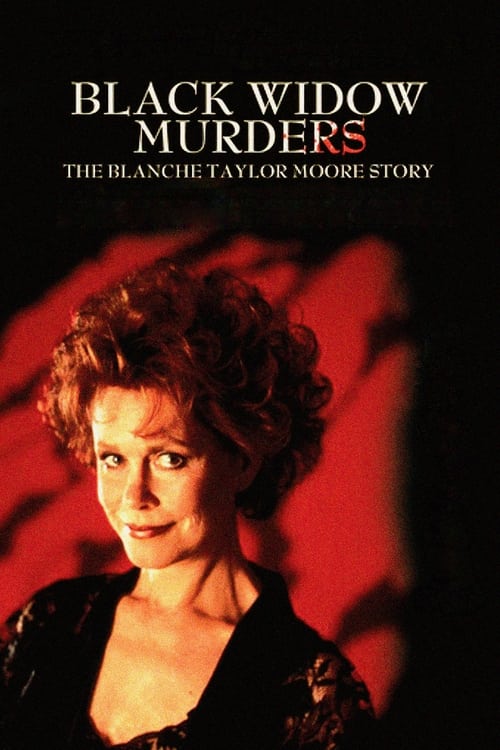
Elizabeth Montgomery plays serial killer, churchgoer, and grandmother Blanch Taylor Moore in this, one of her last films before her untimely passing. Childhood memories of her womanizing and abusive father fill Moore with a hidden rage towards all men. Her former boyfriend, first husband and father all died of arsenic poisoning. Now her fiancé, the town's minister, is stricken the same way. Based on the true crime book Preacher's Girl: The Life and Crimes of Blanche Taylor Moore, the film is buoyed by Montgomery's startling performance, and keeps you on the edge of your seat until its final moments.
1991
1974
1997
2003

2021

2024

1993
2003
No reviews yet. Be the first to share your thoughts on this movie!
Use the rating form above to leave a star rating and optional review.