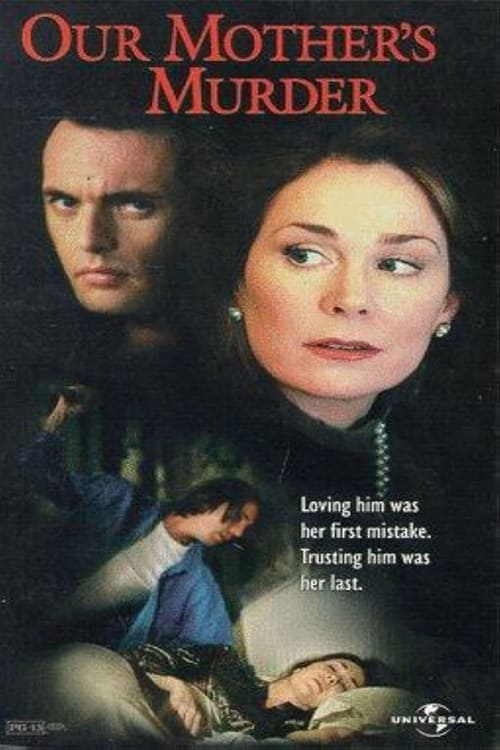
Our Mother's Murder
1997
No user ratings available yet
Representation score: 0.8 out of 10

Representation Score
Limited
1993
Not RatedDirector
Tom McLoughlin
Runtime
92 minutes
Average Rating
No ratings yetNew Showbiz Analysis
Murder of Innocence is a traditional psychological thriller that focuses on the psychological collapse of a single character, Laurie Wade. The narrative adheres to established genre conventions of the early 1990s, lacking diverse casting or the subversion of social hierarchies. Because the story is centered on a singular character study of mental instability, it offers limited opportunities for broader social critique or diverse representation.
Category Breakdown
The film operates within a framework that assumes everyone is straight or cisgender. It does not include any visible representation of LGBTQ+ identities or non-cisgender perspectives.
The story features a female lead, but her ability to act is expressed through destructive psychosis, which may reinforce the 'hysterical woman' stereotype rather than challenging gender hierarchies.
There is no information provided about the racial or ethnic makeup of the cast, so the diversity of the setting and characters remains unknown.
The plot focuses on the breakdown of traditional family life. There are no themes that challenge Western or secularist norms.
The film explores severe psychosis but portrays mental illness as a source of external danger, potentially using neurodivergence as a plot device.
Present on Screen
Limited or Absent
Official Synopsis
In this shocking account based on a true story, newlywed Laurie Wade finds her marriage, and eventually the rest of her life, shattered by her deep-rooted psychotic behavior. The young woman soon begins a terrifying descent into insanity and brings danger to all those around her as she goes from brief "short-circuits" to overtly murderous behavior.
1997
1956

2009

1993
1993
2006
1994
1998
No reviews yet. Be the first to share your thoughts on this movie!
Use the rating form above to leave a star rating and optional review.