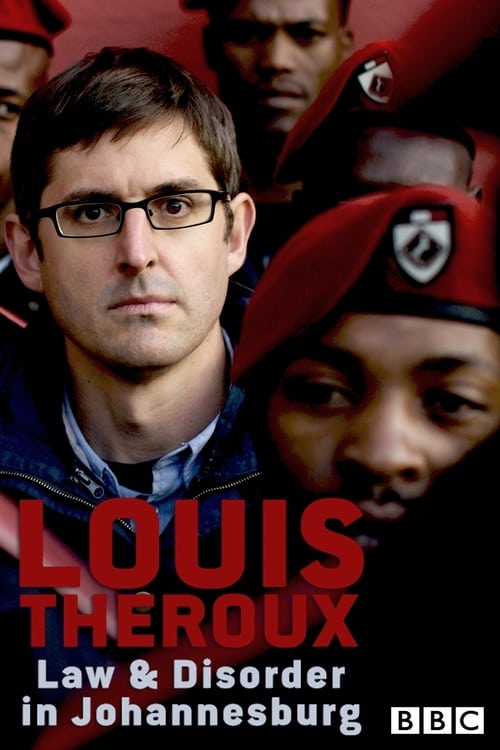
Louis Theroux: Law and Disorder in Johannesburg
2008
No user ratings available yet
Diversity score: 6.4 out of 10
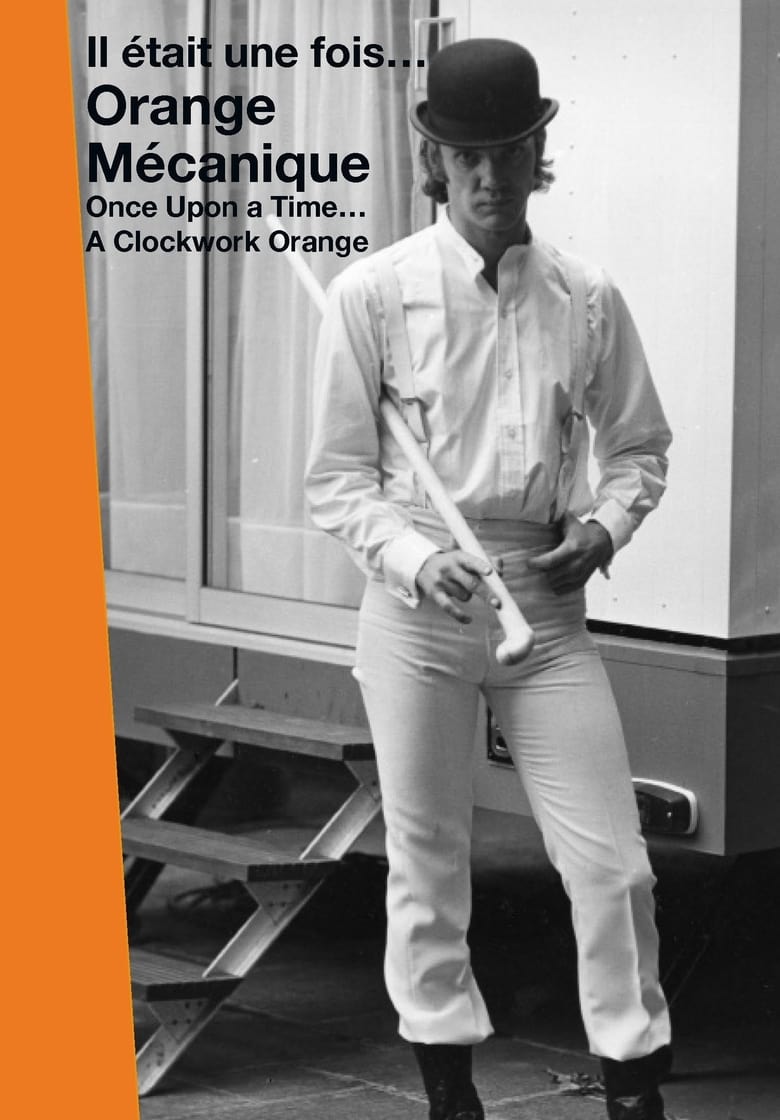
2011
Director
Antoine de Gaudemar
Runtime
52 minutes
Average Rating
No ratings yetSynopsis
A dystopian crime film adapted, produced, and directed by Stanley Kubrick, based on Anthony Burgess's novel A Clockwork Orange. Where a sadistic gang leader is imprisoned and volunteers for a conduct-aversion experiment, but it doesn't go as planned.
Overall Score
Fair
Category Breakdown
LGBTQ+ Representation
The documentary focuses on the psychological mechanics of the original story rather than explicit queer character arcs. It explores non-normative social behaviors without centering identity-based narratives.
Gender Representation
The narrative centers on a male-dominated hierarchy and state control. However, the documentary format critiques traditional masculine archetypes of violence and dominance found in the original text.
Racial & Ethnic Diversity
The work remains tethered to the original setting's social constraints. There is no explicit evidence of a diverse cast, focusing instead on class and systemic conditioning.
Religious & Cultural Diversity
The film offers a high degree of complexity by critiquing Western institutions and state authority. It deconstructs traditional morality and the ethics of social engineering.
Disability Representation
The central experiment provides a nuanced look at how society attempts to modify psychological states. It touches on the agency of those subject to systemic psychological intervention.
Strengths
Areas for Improvement
AI Analysis
This documentary serves as a retrospective analysis of the Kubrick and Burgess legacy. It excels in its intellectual critique of institutional power and the corruption of state-mandated morality. By examining the conduct-aversion experiment, it provides a sophisticated look at the intersection of psychology and systemic control. However, the film lacks depth in intersectional representation. The focus remains heavily on the original narrative's social constraints, resulting in a lack of diverse casting and explicit identity-driven storylines. The representation of gender and sexuality is largely filtered through the lens of the original's male-centric, transgressive themes.
2008

2008
2018
2011
No reviews yet. Be the first to share your thoughts on this movie!
Use the rating form above to leave a star rating and optional review.