
Truth and Lies: The Menendez Brothers
2017
No user ratings available yet
Representation score: 7.2 out of 10
Representation Score
Minimal
2018
Director
Hugh Ballantyne
Runtime
85 minutes
Average Rating
No ratings yetNew Showbiz Analysis
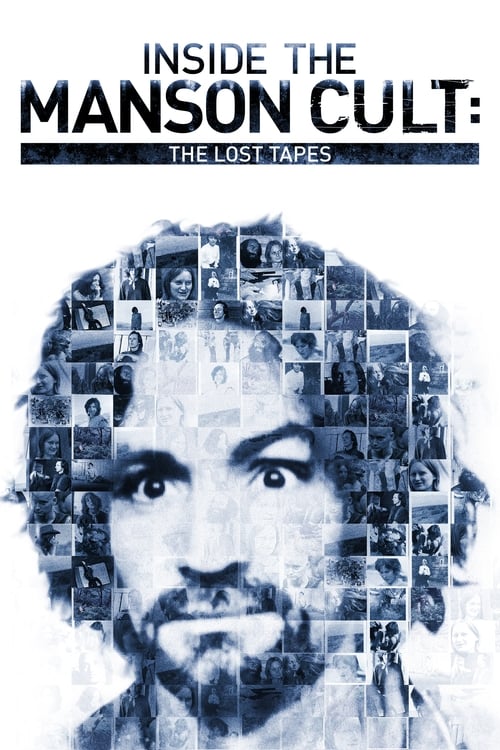
This documentary serves as a historical examination of a destructive American subculture. Given its focus on a documented criminal cult, the narrative is shaped by historical records rather than intentional character development. The film emphasizes the breakdown of social and communal structures. It prioritizes an investigative approach to the Manson Family's activities over promoting progressive social values or challenging traditional hierarchies. Overall, the work is a study of criminal pathology. Its narrow focus on a historically homogeneous group limits characters who reflect more than one aspect of diversity across various social categories.
Category Breakdown
The documentary does not include any LGBTQ+ characters or stories. It focuses solely on the Manson Family and the crimes committed at Spahn’s Ranch.
The film looks at how traditional gender roles were used within the Manson Family's criminal activities. It highlights the central role of female members in the group's operations.
The historical context of the Manson Family is marked by a predominantly white demographic. The film does not emphasize racial diversity or varied casting.
The work critiques the collapse of communal norms in Western society. It explores how the Manson Family's actions disrupted the American Dream through criminal behavior.
There is no indication that neurodivergence, mental health issues, or physical disabilities play a central role in the narrative. These elements are not given much attention.
Present on Screen
Limited or Absent
Official Synopsis
Culled from more than 100 hours of new and archival interviews with former Manson cult members, this two-hour special goes inside Spahn’s Ranch, where the Manson cult lived, to offer an intimate and terrifying look into America’s most murderous group.
2017
2003

2021
2016
2019
2007
2009

1995
No reviews yet. Be the first to share your thoughts on this movie!
Use the rating form above to leave a star rating and optional review.