The Legend of Bhagat Singh
2002
No user ratings available yet
Representation score: 3.3 out of 10
Representation Score
Good
2006
PG-13Director
Rakeysh Omprakash Mehra
Runtime
157 minutes
Average Rating
No ratings yetNew Showbiz Analysis
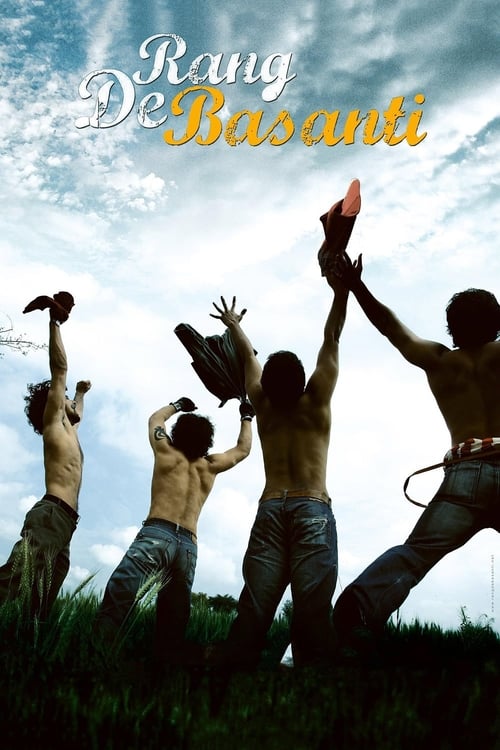
Rang De Basanti is a sophisticated exploration of post-colonial identity and systemic corruption. It uses historical parallels to challenge modern political apathy, creating a powerful dialogue between past and present. The film excels in its cultural and racial depth, framing the struggle for national sovereignty as an evolving process. It goes beyond simple patriotism to critique the structures of state authority. However, the film lacks representation of LGBTQ+ identities and disabilities. Its focus remains on the specific socio-political experiences of its able-bodied, heterosexual protagonists.
Category Breakdown
The story focuses on heterosexual friends and romantic interests. It doesn't include non-binary gender identities or critiques of the assumption that everyone is straight.
Female characters play key roles in driving the story intellectually and emotionally. The film avoids typical male-leader clichés by showing the men as initially uninvolved.
The film uses a dual-timeline structure to explore Indian identity through the lens of historical colonization. It critiques modern sovereignty and the impact of British rule.
The film provides a strong critique of Western-style institutions and state authority. It highlights the importance of individual conscience over corrupt political systems.
The narrative centers on the psychological development of able-bodied student protagonists. There are no prominent representations of neurodivergent or physically disabled characters.
Present on Screen
Limited or Absent
Official Synopsis
After a group of friends graduate from Delhi University, they listlessly haunt their old campus, until a British filmmaker casts them in a film she's making about freedom fighters under British rule. Although the group is largely apolitical, the tragic death of a friend owing to local government corruption awakens their patriotism. Inspired by the freedom fighters they represent in the film, the friends collectively decide to avenge the killing.
2002
1995
2010
2010

2021
1966
2002
2004
No reviews yet. Be the first to share your thoughts on this movie!
Use the rating form above to leave a star rating and optional review.