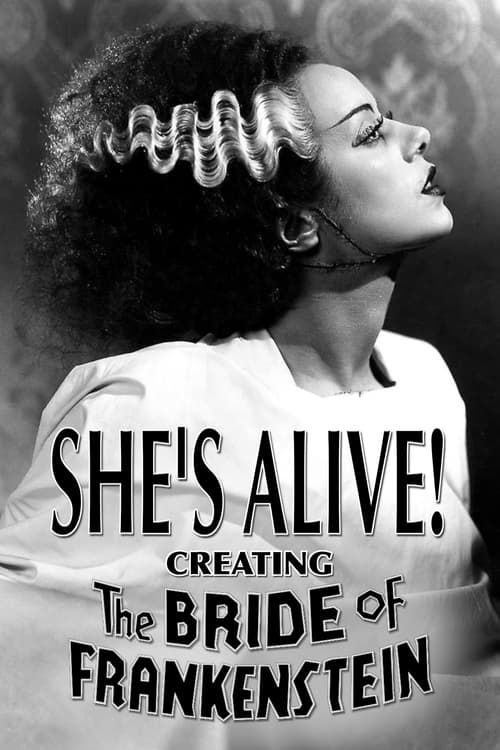
She's Alive! Creating 'The Bride of Frankenstein'
1999
No user ratings available yet
Representation score: 6.2 out of 10
Representation Score
Good
2000
Director
David J. Skal
Runtime
35 minutes
Average Rating
No ratings yetNew Showbiz Analysis
This documentary serves as a scholarly deconstruction of classic Hollywood clichés rather than a showcase of contemporary diversity. Its strength lies in its analytical depth, using the history of the 1933 film to explore complex subtexts related to identity and social pressure. While the film provides a critical framework for understanding queer coding and gendered power dynamics, it remains limited by its subject matter. The focus on a specific era of Universal Horror results in a lack of racial and ethnic representation. Ultimately, the work succeeds as an intellectual exercise. It challenges traditional narrative expectations by examining the 'monstrous' as a result of social and scientific pressures rather than simple villainy.
Category Breakdown
The film looks back at the hidden queer elements in James Whale’s original work. It discusses coded homoeroticism and non-traditional gender roles.
The documentary highlights how early cinema enforced gender roles. It examines the power dynamics of the 1930s and the vulnerability of female characters in the original film.
The story focuses on a historically uniform production setting. There is minimal representation of racial or ethnic diversity.
The film offers a scholarly, secular look at how media reflects societal fears. It avoids moral binaries by analyzing the protagonist through a lens of systemic isolation.
The documentary explores themes of bodily autonomy and the social perception of physical differences. It avoids clichés by focusing on the psychological impact of the character's condition.
Present on Screen
Limited or Absent
Official Synopsis
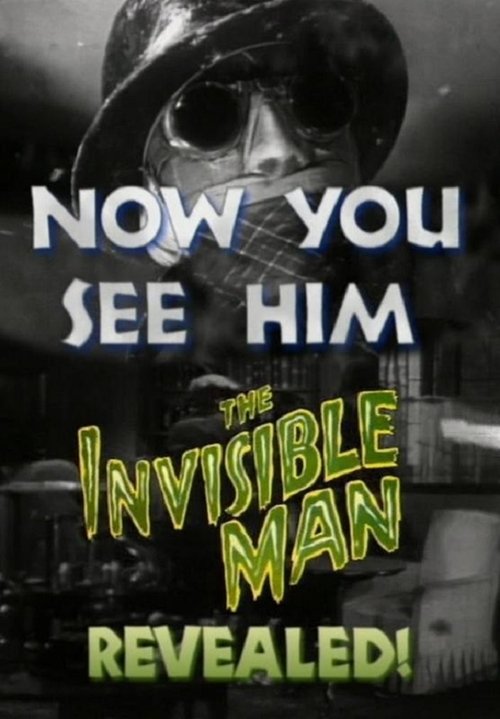
A documentary from Universal about the movie "The Invisible Man" (1933) directed by James Whale.
1999
2014
1999
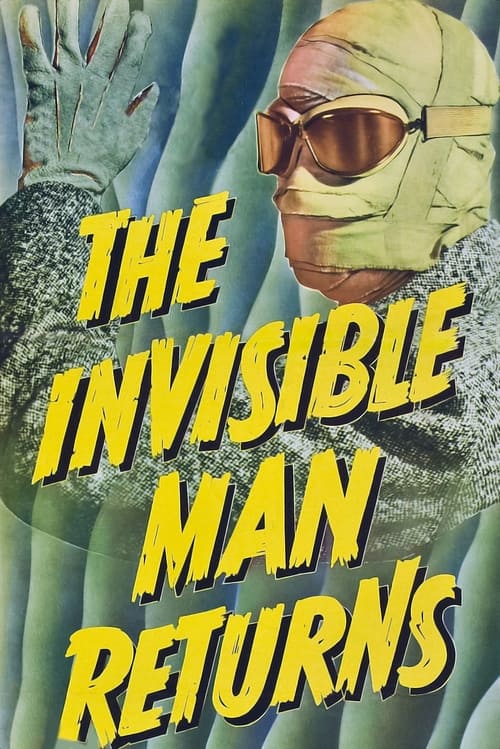
1940

1999
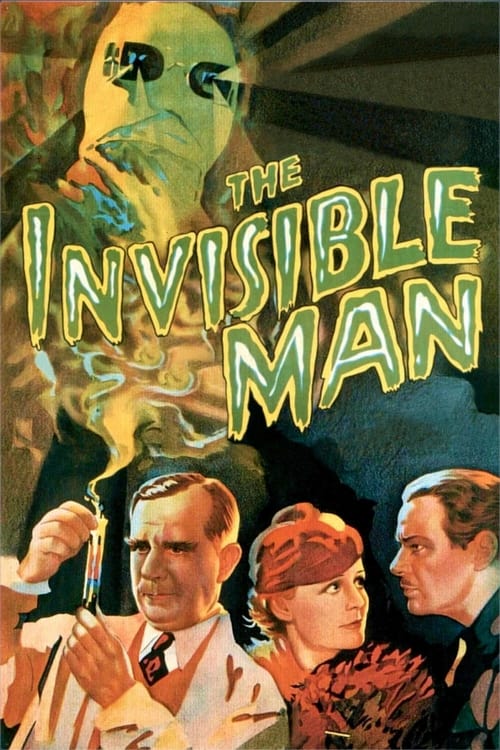
1933
2000
2000
No reviews yet. Be the first to share your thoughts on this movie!
Use the rating form above to leave a star rating and optional review.