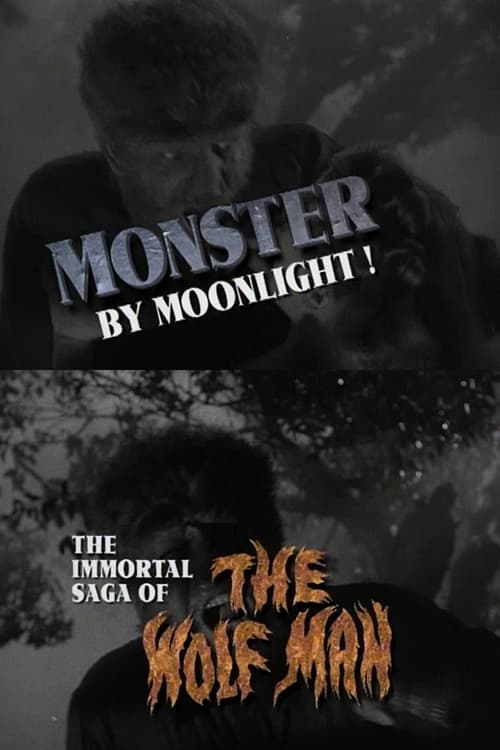
Monster by Moonlight! The Immortal Saga of 'The Wolf Man'
1999
No user ratings available yet
Representation score: 3.1 out of 10
Representation Score
Limited
2000
Director
David J. Skal
Runtime
34 minutes
Average Rating
No ratings yetNew Showbiz Analysis
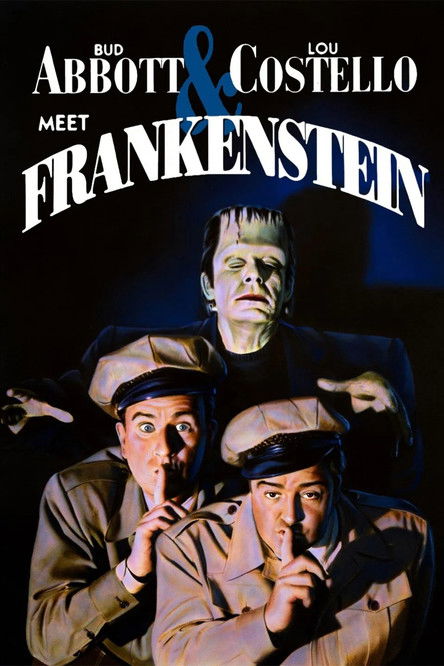
This documentary serves as a scholarly historical look at the 1954 film *Abbott & Costello Meet Frankenstein*. Its main goal is to document film history and examine mid-century cinematic clichés rather than deconstruct social structures. Because the subject matter is tied to the traditional structures of 1950s Hollywood, the work does not aim to disrupt social hierarchies. It prioritizes preserving archival material and the legacy of Universal's horror-comedy genre over diverse narratives.
Category Breakdown
The documentary focuses on the comedic partnership of Abbott and Costello and the monster movie genre. It does not include LGBTQ+ character stories or critiques of the assumption that everyone is straight or cisgender.
The content centers around a male-dominated comedic duo and traditional genre roles. It reflects the gender hierarchies of the mid-20th century studio era.
The film looks at a period of Hollywood history marked by significant homogeneity. It does not highlight characters of color or use casting that varies from traditional racial expectations.
The film engages with Western folklore and the mid-century studio system. It celebrates film history rather than critiquing Western institutions.
The subject matter includes monsters that often use physical differences to represent the 'other.' There is no evidence of characters with disabilities having significant roles or positive representations.
Present on Screen
Limited or Absent
Official Synopsis
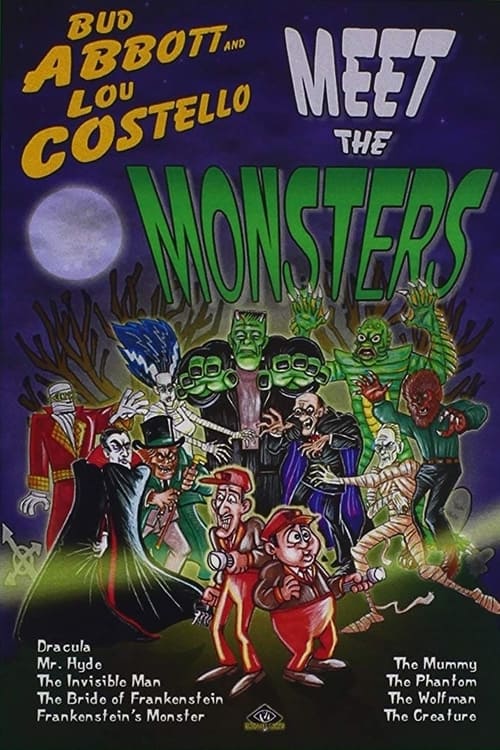
A documentary from Universal about the movie Abbott & Costello Meet Frankenstein.
1999
1948
1999
1999

1999
2000
2000
1998
No reviews yet. Be the first to share your thoughts on this movie!
Use the rating form above to leave a star rating and optional review.