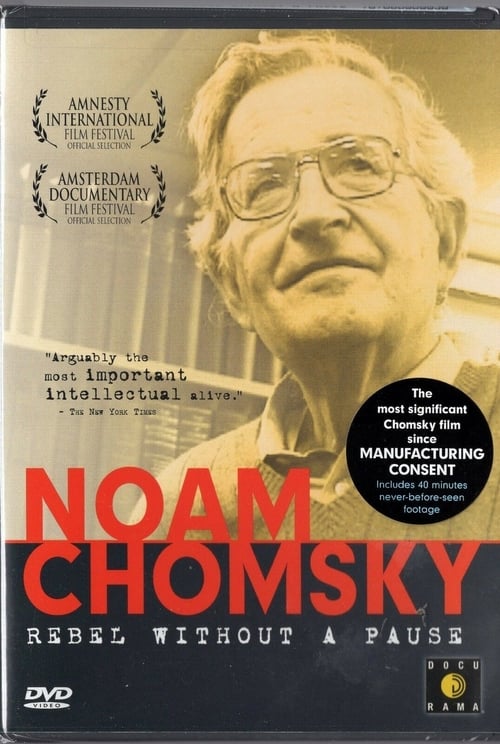
Noam Chomsky: Rebel Without a Pause
2003
No user ratings available yet
Representation score: 3.6 out of 10
Representation Score
Limited
2010
NOT RATEDRuntime
83 minutes
Average Rating
No ratings yetNew Showbiz Analysis
This documentary serves as an intellectual exploration of global hegemony and economic instability. Its focus on systemic critique shapes its unique approach to representation. The film excels in its cultural and post-colonial critiques, challenging the legitimacy of dominant Western power structures. By highlighting the impact of imperialism on the Global South, it provides a voice to underrepresented populations through a theoretical lens. However, the film is limited by its narrow focus. It lacks interpersonal diversity, offers no representation for LGBTQ+ identities or disability, and remains confined to a traditional, male-dominated academic framework.
Category Breakdown
The film does not include LGBTQ+ identities or narratives. It focuses on geopolitical and economic theories instead of queer representation.
The narrative centers around a single male intellectual voice. It lacks diverse gender perspectives and does not challenge traditional patriarchal academic hierarchies.
The film uses a post-colonial framework to critique Western imperialism. It highlights the systemic vulnerabilities and struggles faced by populations in the Global South.
The work offers a critical view of Western institutions and corporate interests. It portrays state power and hegemony as oppressive systems rather than stabilizers.
The documentary does not address physical or neurodivergent disabilities. The focus remains on macro-political and socioeconomic analysis.
Present on Screen
Limited or Absent
Official Synopsis
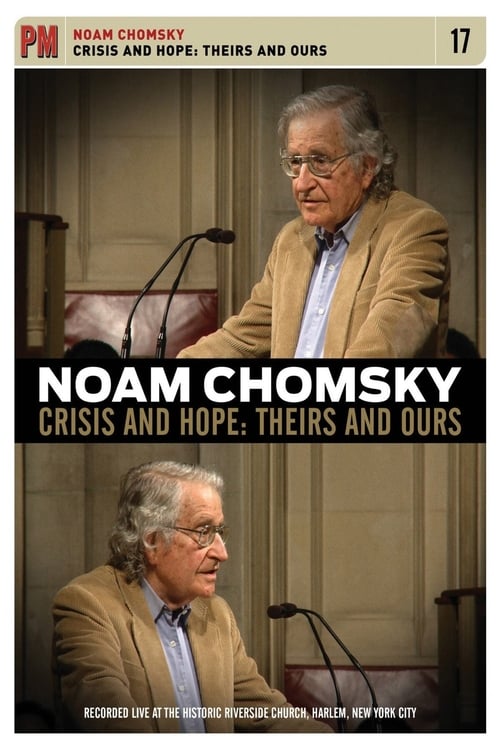
On June 12, 2009, Noam Chomsky gave a historic address at the Riverside Church in New York City. More than 2,000 people attended this historic address, captured here in which Chomsky offered a powerful analysis of the current economic crisis and its structural roots. The DVD also features and Introduction by Amy Goodman and a one on one interview with Noam Chomsky.
2003
2018
2006
2009
2002
2013
2010
2007
No reviews yet. Be the first to share your thoughts on this movie!
Use the rating form above to leave a star rating and optional review.