Anima Mundi: Permaculture, Deep Ecology & the Soul of the World
2011
No user ratings available yet
Representation score: 3.7 out of 10
Representation Score
Fair
2010
Not RatedDirector
Joao G. Amorim
Runtime
85 minutes
Average Rating
No ratings yetNew Showbiz Analysis
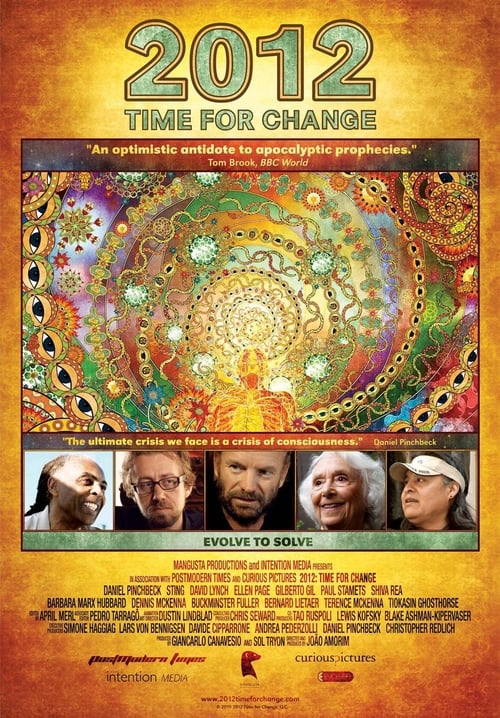
The film serves as a pedagogical tool rather than a character-driven narrative. It prioritizes systemic ecological reform and the deconstruction of unsustainable societal structures over individual identity stories. While the documentary lacks specific representation for LGBTQ+ and disability communities, it excels in cultural critique. It challenges Western-centric institutional stability by proposing a globalized, regenerative planetary culture. Ultimately, the work's diversity is found in its ideological framework. It seeks to replace existing economic and social hierarchies with a new, interconnected consciousness.
Category Breakdown
The documentary focuses on ecological design and systemic consciousness. It lacks specific LGBTQ+ character arcs or identity-based narratives.
The film explores transforming society and changing consciousness. This approach typically critiques traditional patriarchal hierarchies in favor of communal, ecological leadership models.
The emphasis on a planetary culture suggests a move away from Western-centric frameworks. It prioritizes global interconnectedness over traditional ethnic or national boundaries.
The narrative disrupts conventional capitalist paradigms by advocating for systemic ecological design. It promotes a shift toward regenerative, non-traditional social structures.
There is no specific evidence regarding the portrayal of neurodivergence or physical disabilities within the film's content.
Present on Screen
Limited or Absent
Official Synopsis
2012: Time For Change is a documentary feature that presents ways to transform our unsustainable society into a regenerative planetary culture. This can be achieved through a personal and global change of consciousness and the systemic implementation of ecological design.
2011
2015
2015
2007
2010
2009

2010

2018
No reviews yet. Be the first to share your thoughts on this movie!
Use the rating form above to leave a star rating and optional review.