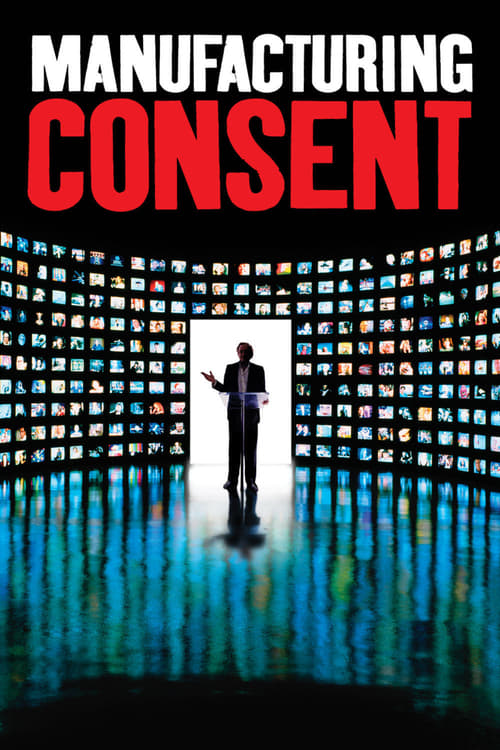
Manufacturing Consent: Noam Chomsky and the Media
1992
No user ratings available yet
Representation score: 3.7 out of 10

Representation Score
Fair
2010
NRDirector
Scott Noble
Runtime
99 minutes
Average Rating
No ratings yetNew Showbiz Analysis
Psywar is a specialized critique of systemic power that prioritizes intellectual subversion over demographic breadth. It excels at deconstructing the 'elite theory of democracy' through a framework of class and coercion. The film's strength lies in its ability to challenge the perceived stability of Western social and political structures. By utilizing dissident scholars, it disrupts conventional understandings of information control. However, the documentary lacks the demographic variety found in narrative cinema. It does not explicitly address LGBTQ+ identities, disability, or specific gender dynamics, focusing instead on institutional power.
Category Breakdown
The documentary focuses on the mechanics of propaganda and class struggle. It does not center on LGBTQ+ identities or narratives of gender non-conformity.
The film prioritizes macro-level systemic analysis over individual gender dynamics. Its critique of top-down institutional control aligns with the subversion of traditional leadership structures.
The analytical lens examines how information control impacts underrepresented ethnic and racial groups. The inclusion of scholars critiquing Western hegemony suggests engagement with post-colonial perspectives.
The film aligns with progressive cultural critiques by prioritizing anti-establishment narratives. It frames Western institutions as tools of elite coercion rather than benevolent structures.
The investigation into propaganda does not address neurodivergence, physical disability, or mental health as central themes.
Present on Screen
Limited or Absent
Official Synopsis
This film explores the evolution of propaganda and public relations in the United States, with an emphasis on the elitist theory of democracy and the relationship between war, propaganda and class. Includes original interviews with a number of dissident scholars including Noam Chomsky, Howard Zinn, Michael Parenti, Peter Phillips (Project Censored), John Stauber (PR Watch), Christopher Simpson (The Science of Coercion) and others. A deep, richly illustrated study of the nature and history of propaganda, featuring some of the world’s most insightful critics, Psywar exposes the propaganda system, providing crucial background and insight into the control of information and thought.
1992
2015
2019
2005
2013
2012

2004
2016
No reviews yet. Be the first to share your thoughts on this movie!
Use the rating form above to leave a star rating and optional review.