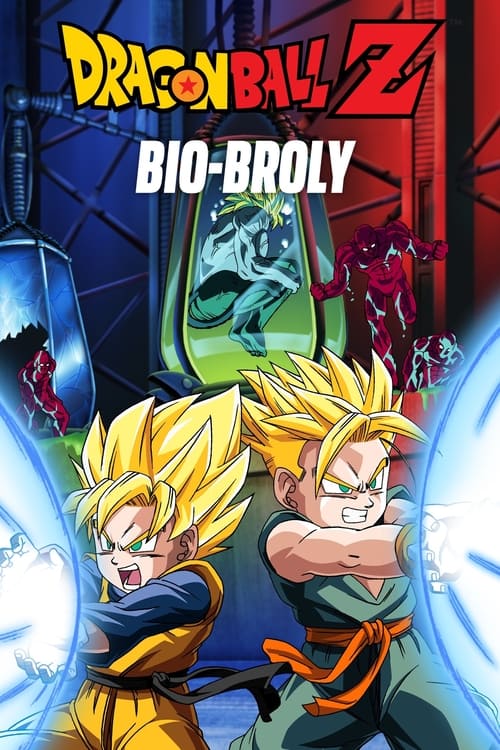
Dragon Ball Z: Bio-Broly
1994
No user ratings available yet
Representation score: 2.7 out of 10

Representation Score
Limited
1993
Not RatedDirector
Yoshihiro Ueda
Runtime
48 minutes
Average Rating
No ratings yetNew Showbiz Analysis
This film is a traditional shonen action story that emphasizes genre clichés over diverse storytelling. While it offers strong roles for women, it adheres to conventional power structures. The narrative lacks complex systemic issues and diverse casting. It focuses on individual heroism and survival, avoiding broader social critiques. Overall, the film stays within established martial arts dynamics, offering limited cultural critique or diverse identity representation.
Category Breakdown
The film does not include any LGBTQ+ characters or explore non-straight relationships. Character interactions focus mainly on family ties and mentorship in combat scenarios.
Bulma and Android 18 are strong female characters known for their intelligence and combat prowess. They challenge traditional gender roles in martial arts.
The cast includes humans and Saiyans, representing different types of otherness. However, the post-apocalyptic world lacks diverse cultural or ethnic elements.
The story centers on a straightforward good-versus-evil conflict, emphasizing individual heroism and survival. It avoids deeper critiques of institutions or cultural practices.
The film uses physical and psychological trauma as typical action plot devices, rather than exploring disability in depth. Neurodivergence and chronic conditions are not given much attention.
Present on Screen
Limited or Absent
Official Synopsis
It has been thirteen years since the Androids began their killing rampage and Son Gohan is the only person fighting back. He takes Bulma's son Trunks as a student and even gives his own life to save Trunks's. Now Trunks must figure out a way to change this apocalyptic future
1994
1994
1990
1986

1995

1995
1993
2011
No reviews yet. Be the first to share your thoughts on this movie!
Use the rating form above to leave a star rating and optional review.