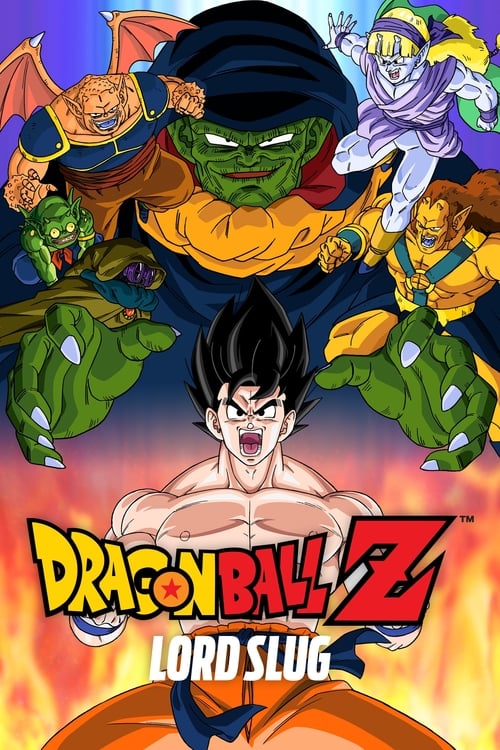
Dragon Ball Z: Lord Slug
1991
No user ratings available yet
Representation score: 2.9 out of 10
Representation Score
Limited
1990
Not RatedDirector
Mitsuo Hashimoto
Runtime
48 minutes
Average Rating
No ratings yetNew Showbiz Analysis
This animated special operates as a character study within a militaristic sci-fi framework. It relies heavily on established gender and social hierarchies, focusing on a male-driven combat narrative. While the film lacks diverse representation regarding identity, race, or disability, it finds depth through its political themes. The story explores the tension between underrepresented laborers and an elite ruling class. Ultimately, the film earns its score by presenting a morally complex protagonist. It moves beyond simple heroism to depict a rebellion against a genocidal, imperialist power structure.
Category Breakdown
The film does not include any LGBTQ+ characters or non-straight relationships. The interpersonal dynamics focus on a traditional family unit without any queer undertones.
Narrative ability to act is centered around male combatants. Although Gine provides emotional depth, her role remains primarily domestic and supportive within the hierarchy.
The sci-fi setting lacks real-world ethnic diversity. However, the story uses a rigid caste system to mirror socioeconomic stratification and class struggle.
The film critiques imperialist hegemony. It deconstructs heroic clichés by portraying the Saiyans as a predatory society fighting systemic cruelty.
There is no representation of physical, neurodivergent, or mental health disabilities in this animated special.
Present on Screen
Limited or Absent
Official Synopsis
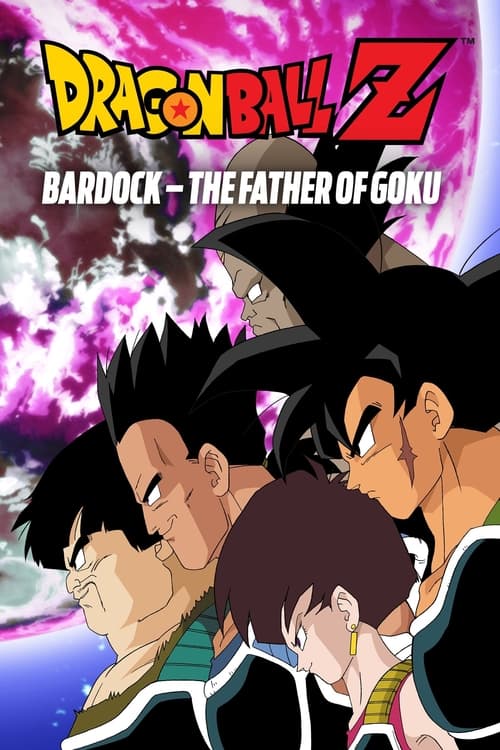
Bardock, Son Goku's father, is a low-ranking Saiyan soldier who was given the power to see into the future by the last remaining alien on a planet he just destroyed. He witnesses the destruction of his race and must now do his best to stop Frieza's impending massacre.
1991
1993
2011

1993
1995
1990
1991
1993
No reviews yet. Be the first to share your thoughts on this movie!
Use the rating form above to leave a star rating and optional review.