
Dragon Ball Z: Fusion Reborn
1995
No user ratings available yet
Representation score: 2.4 out of 10
Representation Score
Limited
1995
E10+Director
Mitsuo Hashimoto
Runtime
51 minutes
Average Rating
No ratings yetNew Showbiz Analysis
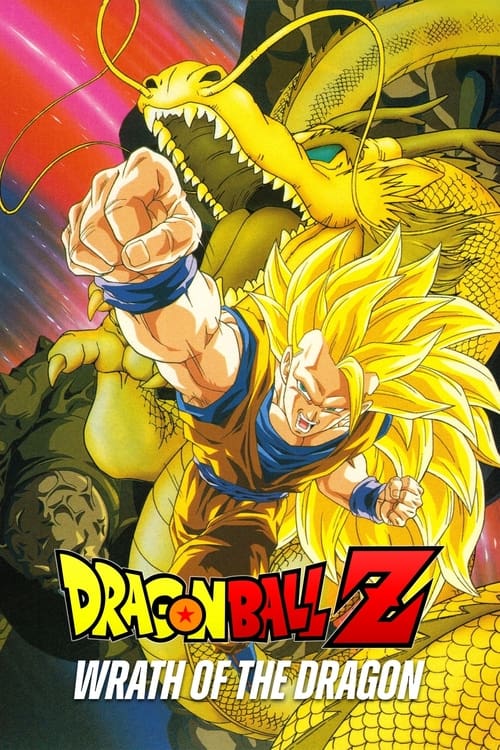
Dragon Ball Z: Wrath of the Dragon is a typical mid-90s shonen action film that emphasizes mythological conflict and martial prowess. The narrative structure revolves around traditional hero clichés, focusing on the battle between good and evil through personal strength. Operating within a speculative fantasy framework, the film does not engage with real-world social hierarchies or identity-driven narratives. Representation is confined to the established archetypes of the franchise, emphasizing masculine leadership and traditional camaraderie. Ultimately, the film serves as a genre-standard adventure. It does not aim to deconstruct gender roles, explore multi-layered identities, or offer meaningful representation for underrepresented groups.
Category Breakdown
The film does not include any LGBTQ+ characters or explore non-straight relationships. The interpersonal dynamics focus on traditional friendships and family bonds.
The narrative focuses on male characters such as Goku and Tapion, who have significant roles. Female characters like Bulma play supporting roles that mainly support the plot.
Diversity is shown through speculative alien species rather than addressing ethnic hierarchies. The cast remains mostly uniform within the franchise's established world.
The story centers on a classic dualistic morality focused on a hero's journey. It avoids challenging religious, capitalist, or patriotic structures, instead protecting the status quo.
There is no significant depiction of physical or neurodivergent disabilities. Combat-related trauma is treated as a standard martial arts cliché rather than a nuanced exploration of disability.
Present on Screen
Limited or Absent
Official Synopsis
The Z Warriors discover an unopenable music box and are told to open it with the Dragon Balls. The contents turn out to be a warrior named Tapion who had sealed himself inside along with a monster called Hildegarn. Goku must now perfect a new technique to defeat the evil monster.
1995
1994
1994
1991
1990

1993
2013
1991
No reviews yet. Be the first to share your thoughts on this movie!
Use the rating form above to leave a star rating and optional review.