
Dragon Ball Z: The History of Trunks
1993
No user ratings available yet
Representation score: 3.7 out of 10
Representation Score
Limited
1994
TV-PGDirector
Yoshihiro Ueda
Runtime
50 minutes
Average Rating
No ratings yetNew Showbiz Analysis
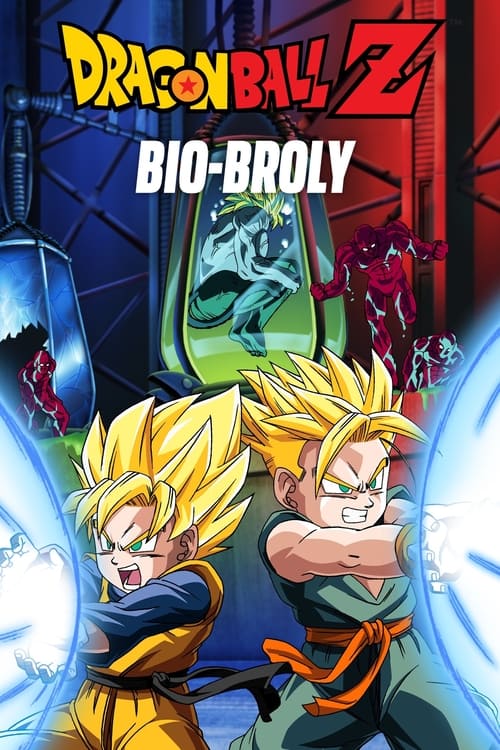
Dragon Ball Z: Bio-Broly is a quintessential 1990s action animation that prioritizes combat-driven storytelling over social complexity. The narrative relies on established genre clichés, focusing on the resurrection of a biological threat to drive the plot. The film adheres to traditional hierarchies, with male characters holding primary roles. While non-human species are present, they function within a speculative framework that avoids real-world ethnic or cultural nuances. Ultimately, the film offers little disruption to social or gender norms, functioning as a straightforward genre piece rather than a vehicle for identity exploration.
Category Breakdown
The film lacks LGBTQ+ characters or explorations of queer intimacy. It focuses on established masculine archetypes common to the franchise.
Male protagonists hold the primary roles, following traditional shōnen conventions. Female characters, such as Android #18, have limited ability to act, driven by transactional debt collection rather than challenging gender hierarchies.
Diversity is abstracted through speculative alien and humanoid species. While it avoids real-world ethnic hierarchies, it lacks intentional racial blending or meaningful characters who reflect more than one aspect of diversity.
The story centers on a biological threat rather than systemic or ideological struggles. It maintains a standard heroic morality without engaging in cultural or institutional critique.
There is no intentional representation of physical or neurodivergent disabilities. The antagonist's mindless, regenerative nature serves as a sci-fi horror cliché rather than a nuanced portrayal.
Present on Screen
Limited or Absent
Official Synopsis
Jaga Bada, Mr. Satan's old sparring partner, has invited Satan to his personal island to hold a grudge match. Trunks and Goten decide to come for the adventure and Android #18 is following Satan for the money he owes her. Little do they know that Jaga Bada's scientist have found a way to resurrect Broly, the legendary Super Saiyan.
1993
1994

1995
1995
2013
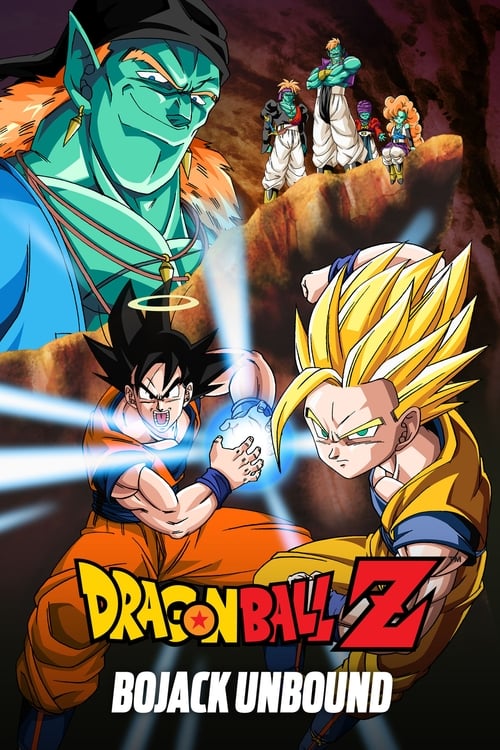
1993
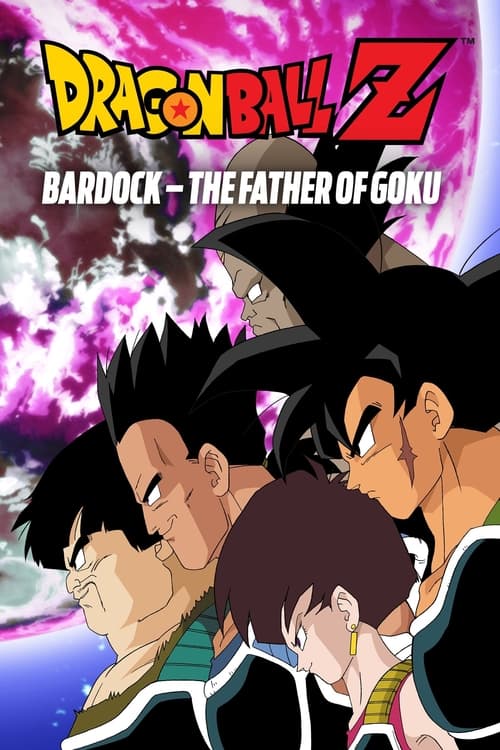
1990
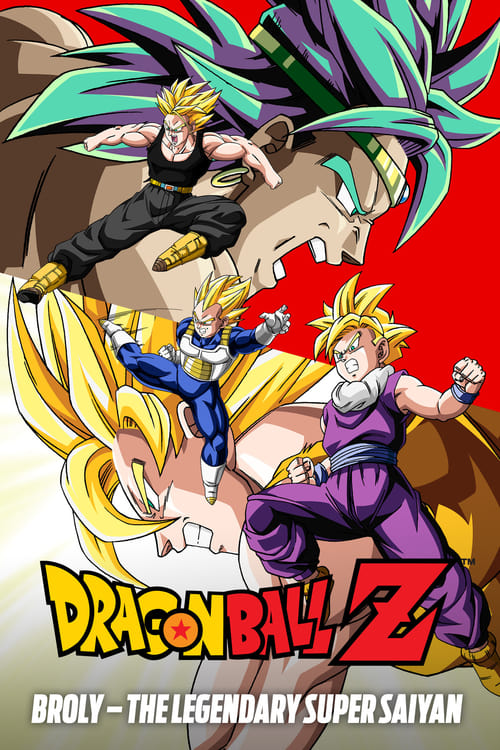
1993
No reviews yet. Be the first to share your thoughts on this movie!
Use the rating form above to leave a star rating and optional review.