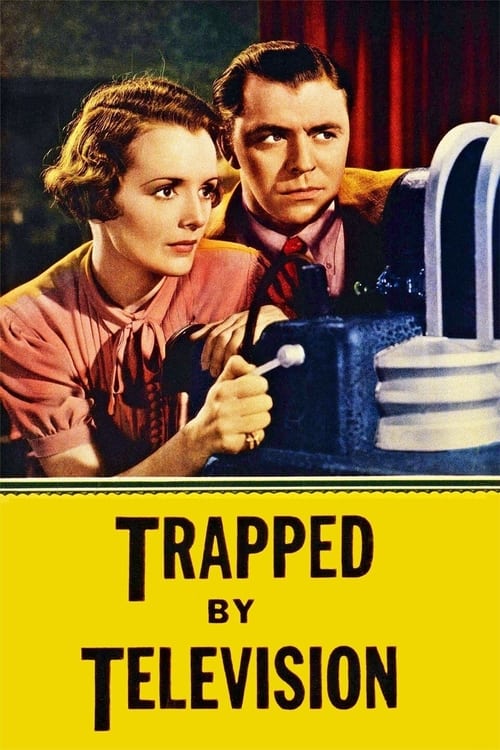
Trapped by Television
1936
No user ratings available yet
Representation score: 1.0 out of 10

Representation Score
Limited
1935
ApprovedDirector
Lambert Hillyer
Runtime
53 minutes
Average Rating
No ratings yetNew Showbiz Analysis
Super Speed is a traditional 1930s genre piece that follows the established social and cinematic norms of its time. The plot centers on a scientist's invention and the struggle for ownership, favoring linear storytelling and conventional heroism. The film does not offer much depth or challenge systemic norms. It adheres to the period's typical demographic and social hierarchies, providing limited diverse representation.
Category Breakdown
The film does not include any LGBTQ+ characters or non-straight relationships. It follows the traditional narratives common in 1930s cinema.
The story likely reinforces traditional gender roles. Male scientists are prominent, while women are not shown in positions of intellectual leadership.
The film reflects the homogeneous casting practices of the mid-1930s. There is no indication of a diverse cast that would challenge typical demographic norms.
The conflict revolves around scientific discovery and personal achievement. The story aligns with traditional views of progress and innovation, without cultural critique.
There is no information about characters with physical or neurodivergent disabilities in this production.
Present on Screen
Limited or Absent
Official Synopsis
A scientist invents a "superspeed" device that makes people fight for its ownership.
1936

1929

1935

1936
1937
1951
1935

1940
No reviews yet. Be the first to share your thoughts on this movie!
Use the rating form above to leave a star rating and optional review.