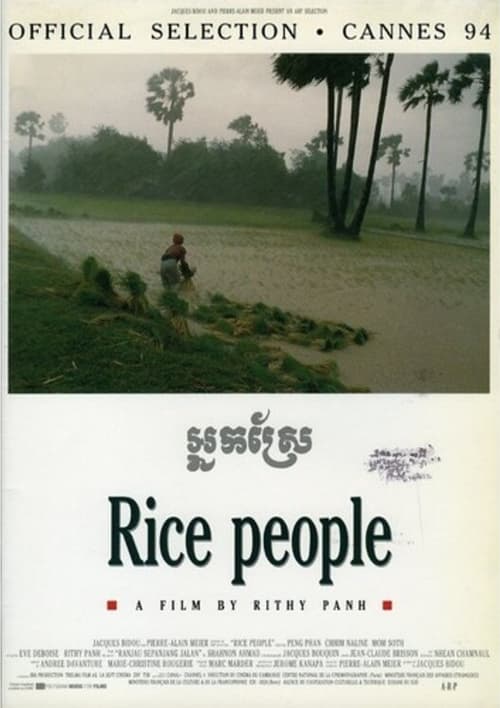
Rice People
1994
No user ratings available yet
Representation score: 3.9 out of 10
No Poster Available
Representation Score
Good
2000
NOT RATEDDirector
Joy Dietrich
Runtime
24 minutes
Average Rating
No ratings yetNew Showbiz Analysis
Surplus is a poignant exploration of survival and identity, driven by the director's personal connection to the Korean diaspora. By centering a non-Western family facing systemic collapse, the film offers a fresh take on survivalist narratives. The narrative successfully breaks down traditional gender roles, presenting a father defined by vulnerability rather than unyielding strength. This nuanced approach to masculinity adds emotional depth to the fight against starvation. While the film lacks direct representation of LGBTQ+ identities and specific disabilities, its strong focus on racial and cultural ability to act creates a compelling, layered portrayal of displacement and economic hardship.
Category Breakdown
The film does not include any explicit LGBTQ+ characters or representations of non-straight relationships. The story focuses on the family's struggle for survival amidst socio-economic pressures.
The story challenges traditional masculine stereotypes by showing a father's vulnerability and desperation. Instead of a strong patriarch, the protagonist is shown as struggling with the burden of poverty.
The film centers on a Korean family dealing with systemic difficulties, avoiding the typical white-centric perspective found in many survival stories. The director's background as a Korean adoptee brings a unique perspective to this portrayal.
Magical realism is used to criticize environmental and economic systems. The narrative emphasizes the moral dilemmas of childhood and situational ethics over traditional religious or institutional beliefs.
There is no specific evidence of the portrayal of physical or neurodivergent disabilities. The film focuses on the psychological impact of poverty.
Present on Screen
Limited or Absent
Official Synopsis
Struggling to feed a family of seven in the midst of a prolonged drought, a Korean farmer stalks his barren fields and painfully deliberates on a course of action to fend off starvation. It is a stark tale tinged with magical realism juxtaposing the fleeting innocence of childhood against the cruelties of poverty and the complex emotions of child abandonment. As a Korean adoptee, Joy Dietrich draws insightful parallels to the growing pains of the Korean adoptee community.
1994

2000

2009
2002
2005

1999
No reviews yet. Be the first to share your thoughts on this movie!
Use the rating form above to leave a star rating and optional review.