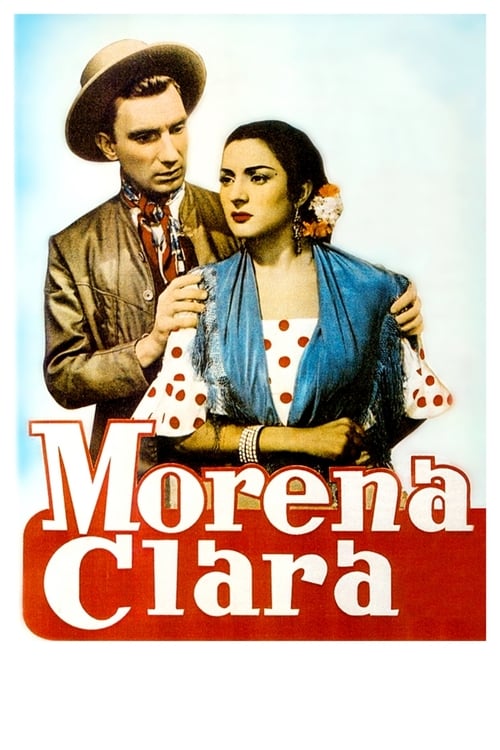
Morena clara
1954
No user ratings available yet
Representation score: 2.1 out of 10
Representation Score
Limited
1948
Director
René Cardona
Runtime
92 minutes
Average Rating
No ratings yetNew Showbiz Analysis
René Cardona’s 1948 romantic comedy follows a classic emotional arc where two lovers move from transactional greed to genuine affection. The film functions as a traditional period piece that prioritizes established narrative structures and romantic clichés over disrupting social hierarchies. While the production centers a Mexican cast, it lacks depth in representing multiple ethnicities. The storytelling focuses on individual moral growth and classical sentiment rather than critiquing systemic issues or overturning cultural norms. Ultimately, the film serves as a standard example of Golden Age Mexican cinema, emphasizing personal growth within a conventional social framework.
Category Breakdown
The film focuses on a heterosexual relationship and does not include any non-straight or non-cisgender identities or stories that challenge the idea that everyone is straight or cisgender.
The story follows a classic romance and intrigue format. While there is a suggestion of women having more influence, the film likely relies on traditional gender roles.
As a Mexican production, the film features a predominantly Mexican cast. However, the casting tends to reflect a homogeneous national identity rather than a diverse ethnic mix.
The plot aligns with traditional moralistic storytelling. It suggests a reconciliation with social norms through romantic sentiment rather than challenging traditional family values.
There is no documented evidence of characters with visible or invisible disabilities in the narrative.
Present on Screen
Limited or Absent
Official Synopsis
A tale of intrigue and deceit concerning two young lovers who, despite the fact that their relationship was originally founded on greed, soon discover that their feelings for one and other have grown more genuine than they ever expected.
1954
1940
1953
1964
1940
1941
1944

1942
No reviews yet. Be the first to share your thoughts on this movie!
Use the rating form above to leave a star rating and optional review.