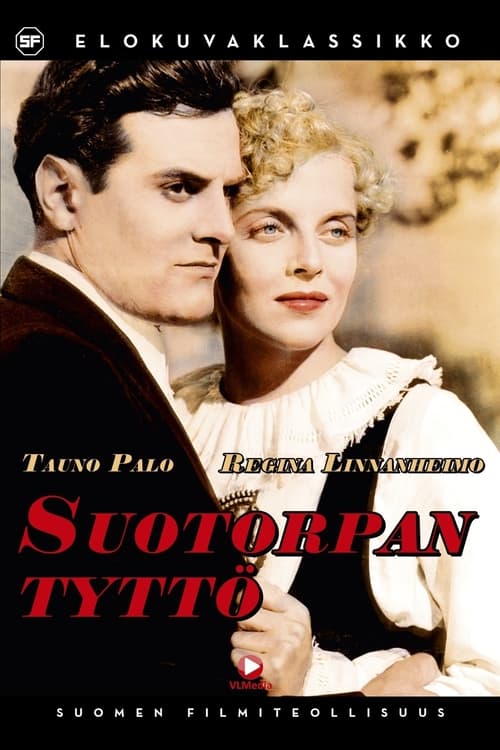
Suotorpan tyttö
1940
No user ratings available yet
Representation score: 2.2 out of 10
Representation Score
Limited
1956
Director
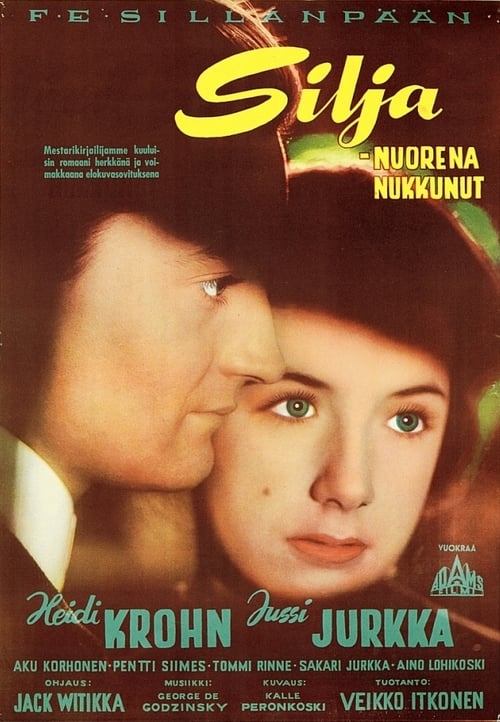
Jack Witikka
Runtime
91 minutes
Average Rating
No ratings yetNew Showbiz Analysis
Jack Witikka’s drama is a period piece deeply rooted in the socio-political upheaval of early 20th-century Finland. It prioritizes historical realism and class-based melodrama, focusing on how the Civil War impacts individual lives. The film excels at depicting the friction between competing political ideologies and the fragility of social stability. It provides a nuanced look at how macro-level conflicts disrupt micro-level identities. However, the narrative adheres to the conventional hierarchies of 1950s cinema. It lacks intentional subversion of traditional gender or identity-based norms, resulting in a singular, tragic feminine experience within a homogeneous society.
Category Breakdown
The film follows a traditional framework that assumes everyone is straight or cisgender. There are no queer narratives, and romantic arcs focus on Silja's interactions with male characters.
Silja is a central female protagonist, but her role is limited by her socioeconomic status and health issues. She embodies the mid-century 'suffering heroine' stereotype.
Set in rural Finland, the film depicts a homogeneous ethnic landscape. It focuses on a specific Finnish national identity and lacks diverse racial representation.
The story explores class dynamics and the instability of institutions during the Finnish Civil War. It offers moral complexity through Silja's conflicting loyalties.
Silja's deteriorating health drives the plot. However, her illness appears to function as a tragic melodramatic device rather than a depiction of independent ability to act.
Present on Screen
Limited or Absent
Official Synopsis
In the 1910s, beautiful young Silja loses both parents and ends up working as a maid at wealthier farms around her village. She is courted by a number of bachelors, ranging from simple farmhand Väinö to sophisticated young student Armas whom she meets when working for a charming old professor. However, Silja's health starts to deteriorate, and when the Finnish Civil War breaks up in 1918, she is inadvertently involved in a small incident after which her loyalties are questioned by both the Reds and the Whites.
1940

1920
1953

1953

2018

1938

1931
1965
No reviews yet. Be the first to share your thoughts on this movie!
Use the rating form above to leave a star rating and optional review.