
On the Fringe
2022
No user ratings available yet
Diversity score: 5.8 out of 10
2013
Director
Eduardo Mendoza de Echave
Runtime
110 minutes
Average Rating
No ratings yetSynopsis
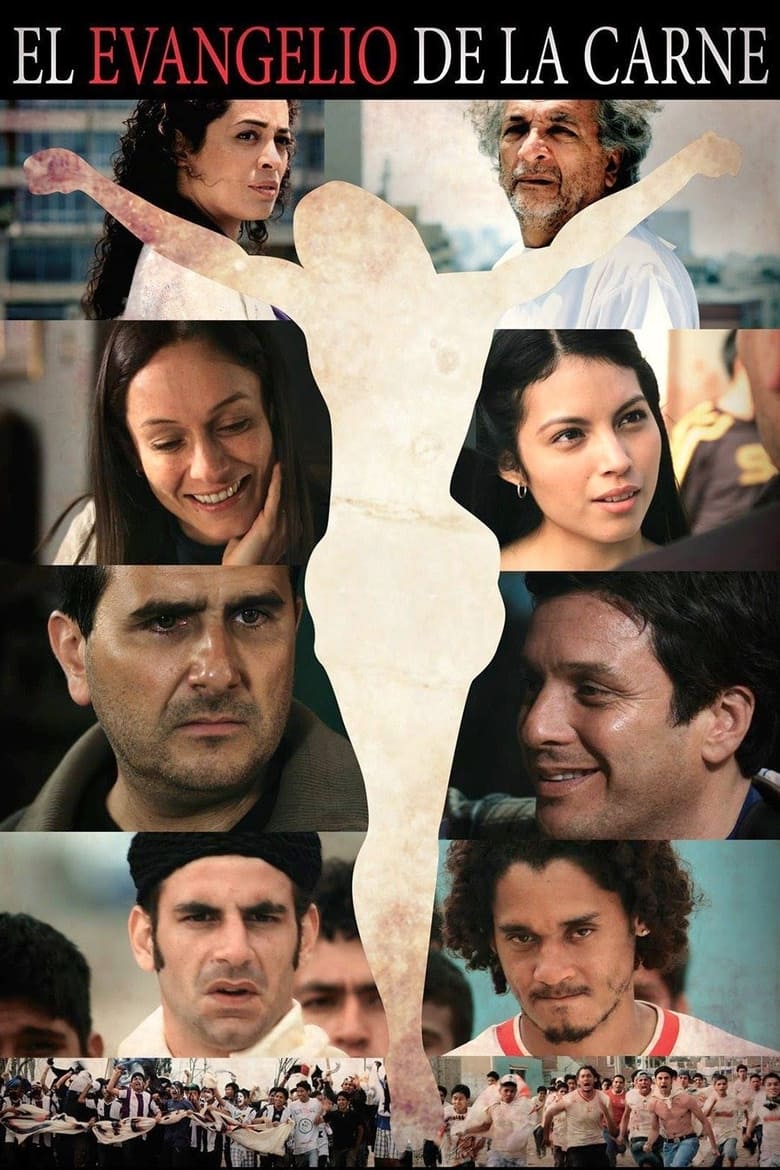
Three lives in search of redemption intersect in the streets of Lima: undercover cop Gamarra’s desperate attempts to save his wife from a terminal illness gets him into trouble; bus driver Felix wants to be accepted into a religious sect after his involvement in a tragic traffic accident; and imperiled soccer club leader Narciso tries to secure his younger brother’s release from prison.
Overall Score
Fair
Category Breakdown
LGBTQ+ Representation
The film lacks explicit mention of LGBTQ+ characters or non-heteronormative identities. The narrative focuses on conventional familial structures, specifically the bond between Gamarra and his wife.
Gender Representation
Agency is concentrated among male protagonists navigating personal and systemic crises. The portrayal of Gamarra's wife as a figure needing rescue suggests a traditional gender hierarchy.
Racial & Ethnic Diversity
Set in Lima, Peru, the film prioritizes a non-Western setting. It focuses on the lived experiences and social realities within a specific South American cultural landscape.
Religious & Cultural Diversity
The story explores the intersection of secular struggle and religious aspiration. It frames institutions like religious sects and the legal system as complex, fraught environments.
Disability Representation
A terminal illness serves as a primary driver for the plot. However, it remains unclear if the condition provides character agency or functions strictly as a narrative catalyst.
Strengths
Areas for Improvement
AI Analysis
The film succeeds in providing a localized, non-Western perspective by grounding its drama in the streets of Lima. This cultural specificity offers a departure from Anglo-centric storytelling patterns. However, the narrative relies heavily on traditional social structures. The plot centers on male agency and conventional family dynamics, which limits the breadth of its social representation. Ultimately, the film is a study of systemic friction and personal morality. It trades broad social diversity for a deep, gritty exploration of specific Peruvian urban realities.
2022
2009
2013
2012
2011

2014
2008

2006

2017
2013
2000
2019
No reviews yet. Be the first to share your thoughts on this movie!
Use the rating form above to leave a star rating and optional review.