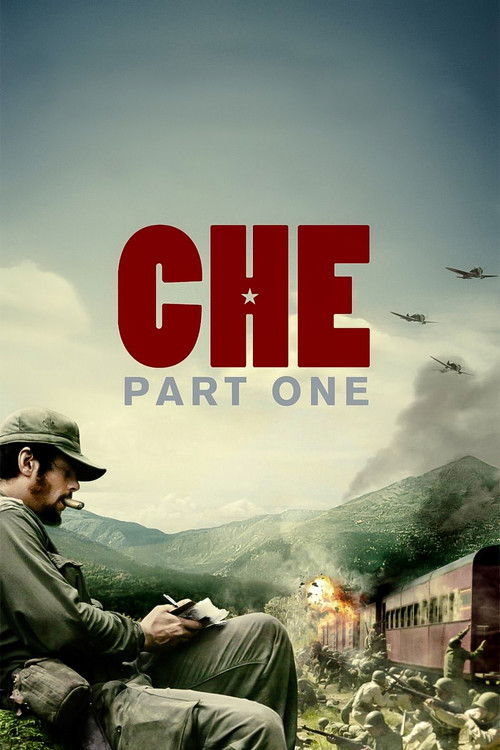
Che: Part One
2008
No user ratings available yet
Representation score: 3.3 out of 10

Representation Score
Limited
1969
PG-13Director
Richard Fleischer
Runtime
96 minutes
Average Rating
No ratings yetNew Showbiz Analysis
Che! (1969) serves as a significant piece of post-colonial cinema that aggressively disrupts Western-centric historical narratives. Its primary strength lies in its commitment to regional authenticity and its sophisticated critique of imperialist power dynamics. However, the film is limited by the gendered social norms of its era. The narrative remains heavily centered on a patriarchal military structure, offering little room for diverse gender expressions or non-assuming gender matches what was assigned at birth identities. Ultimately, the film succeeds by recasting the 'outlaw' as a systemic protagonist, centering the struggle of the underrepresented as a driving force of history.
Category Breakdown
The film focuses almost exclusively on the masculine-coded sphere of guerrilla warfare. There is no presence of non-assuming gender matches what was assigned at birth identities or narratives that critique the assumption that everyone is straight or cisgender.
The plot centers on male revolutionary roles and military leadership. Women are largely relegated to peripheral roles, serving as secondary figures rather than drivers of the political narrative.
The film utilizes a predominantly Latino cast to reflect South American and Caribbean settings. It disrupts Eurocentric clichés by prioritizing the perspectives of the colonized and oppressed.
The narrative is deeply rooted in anti-capitalist and anti-imperialist critiques. It frames the subversion of state authority as a necessary response to systemic injustice and corruption.
There is no significant focus on visible or invisible disabilities. They are not utilized as central plot devices within the biographical context.
Present on Screen
Limited or Absent
Official Synopsis
Biography of Argentinian revolutionary Ernesto "Che" Guevara, who helped Fidel Castro in his struggle against the corrupt Batista regime, eventually resulting in the overthrow of that government and Castro's taking over of Cuba. The film covers Guevara's life from when he first landed in Cuba in 1956 to his death in an ambush by government troops in the mountains of Bolivia in 1967.
2008
1952

2008
1966
1994
2004
2017
1969
No reviews yet. Be the first to share your thoughts on this movie!
Use the rating form above to leave a star rating and optional review.