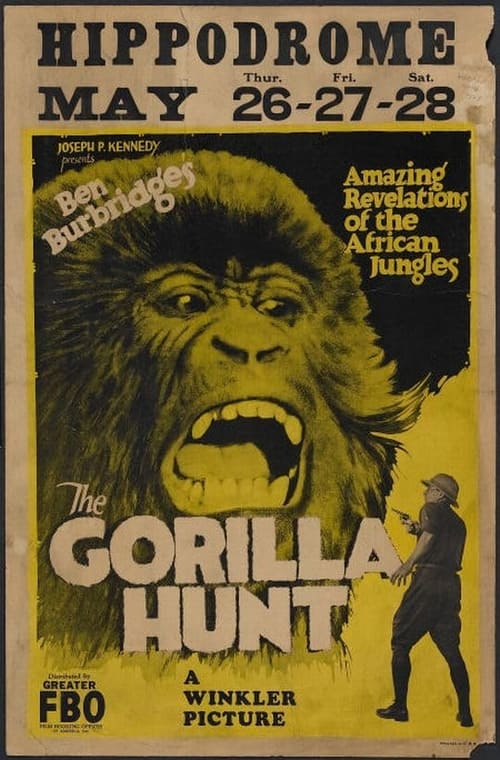
The Gorilla Hunt
1926
No user ratings available yet
Representation score: 0.3 out of 10
Representation Score
Minimal
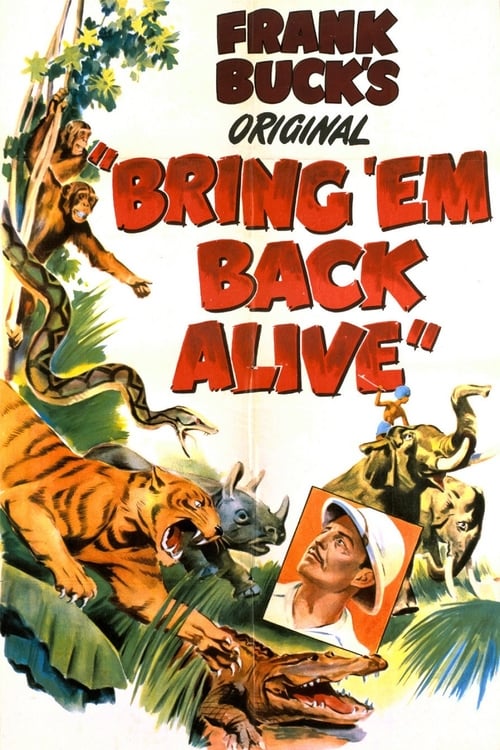
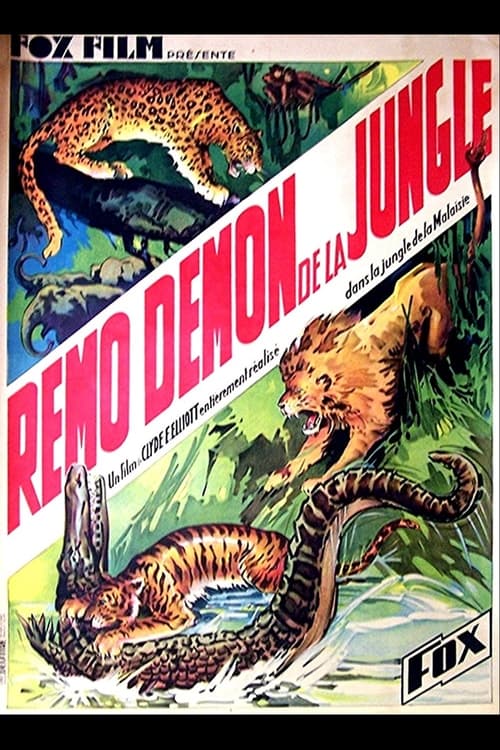
1932
ApprovedDirector
Clyde E. Elliott
Runtime
64 minutes
Average Rating
No ratings yetNew Showbiz Analysis
This adventure-documentary is a quintessential product of its era, emphasizing traditional hierarchies and Western mastery of nature. The narrative architecture supports the protagonist's journey while sidelining local populations. While the film showcases a diverse geographic setting, it does not challenge existing power dynamics or offer multi-layered depth. Ultimately, the film upholds 1930s cinematic clichés rather than disrupting social or gendered expectations.
Category Breakdown
The film adheres to strict 1930s standards and does not depict any LGBTQ+ identities or same-sex relationships.
The narrative focuses on masculine traits and physical prowess, with minimal female presence in the expedition.
Local populations and native helpers are portrayed as supporting elements to the white protagonist, reinforcing a colonialist hierarchy.
The film presents a Western-centric view, depicting the jungle as a resource for capture and transport without critiquing Western institutions.
There are no depictions of physical or neurodivergent characters, with the focus remaining on the physical demands of jungle survival.
Present on Screen
Limited or Absent
Official Synopsis
American animal trapper Frank Buck travels with Ali, his "number one boy," on an expedition into the Malayan jungle. From their jungle headquarters just north of Singapore, Frank, Ali and a team of native helpers roam the area from Northern Johore to Perak in search of interesting wild animals, reptiles and birds. Hoping to find a tiger, Buck captures a monitor lizard and a black leopard, while another black leopard narrowly escapes an encounter with a giant python and then battles a bigger and stronger tiger. After trapping a spotted leopard, Frank adopts a baby honey bear and a baby elephant. The team catches an orangutan, but the tiger eludes their camouflaged pit. Meanwhile, Frank visits the "bathing festival" of a local tribe and watches as tribesmen kill an intruding spotted leopard with blow darts. The tiger then meets an enormous regal python, who has just crushed a crocodile, and fights to a draw with it.
1926
1962
1934
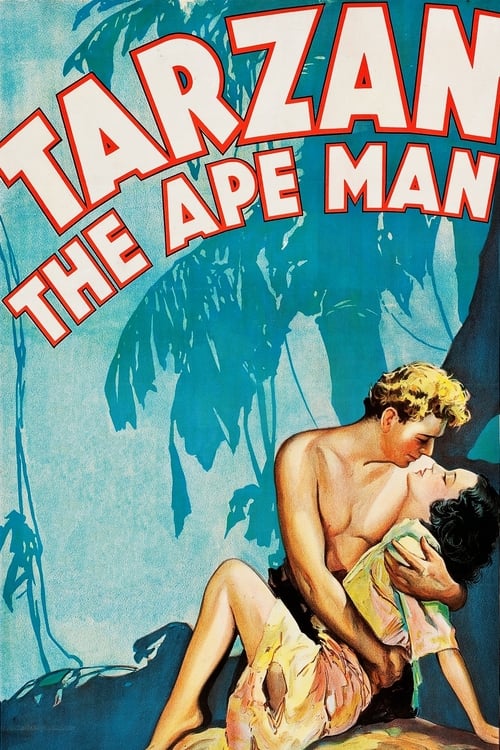
1932

1908
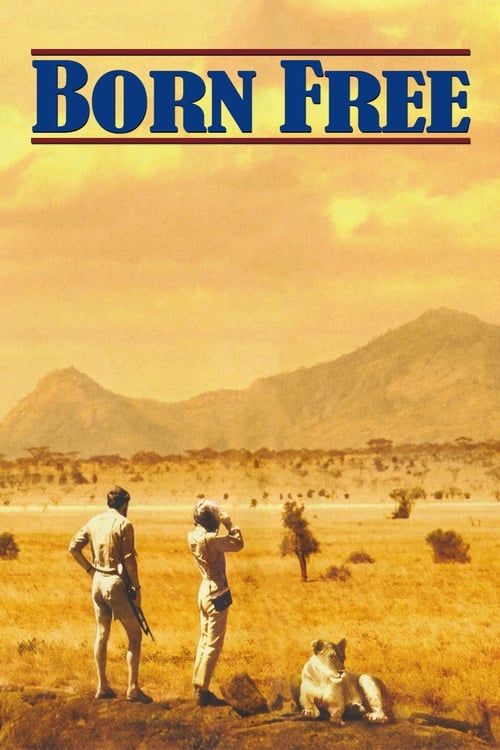
1966
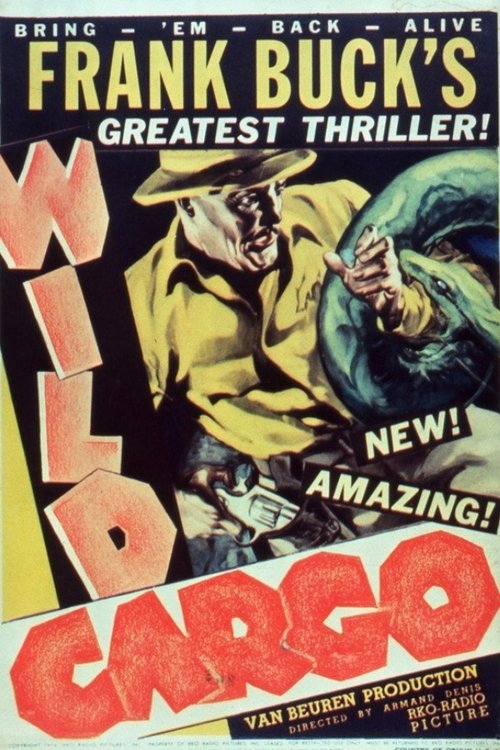
1934
1938
No reviews yet. Be the first to share your thoughts on this movie!
Use the rating form above to leave a star rating and optional review.