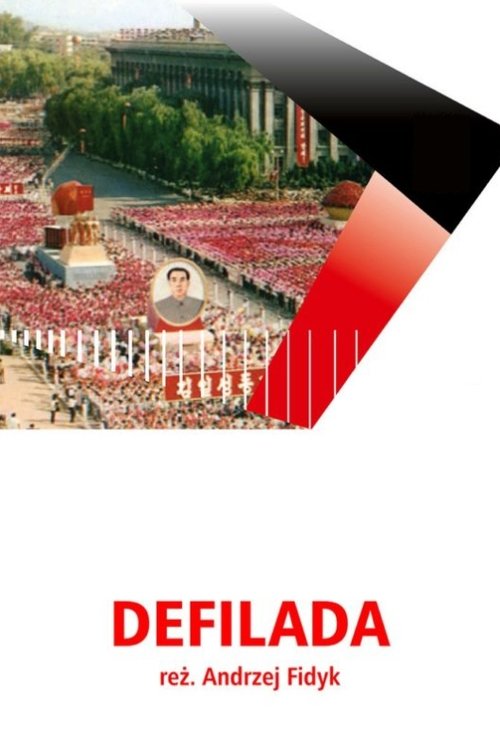
North Korea: The Parade
1989
No user ratings available yet
Representation score: 0.8 out of 10
Representation Score
Limited
1951
BtlDirector
Günter Reisch, Ivan Pyryev, Joris Ivens
Runtime
96 minutes
Average Rating
No ratings yetNew Showbiz Analysis
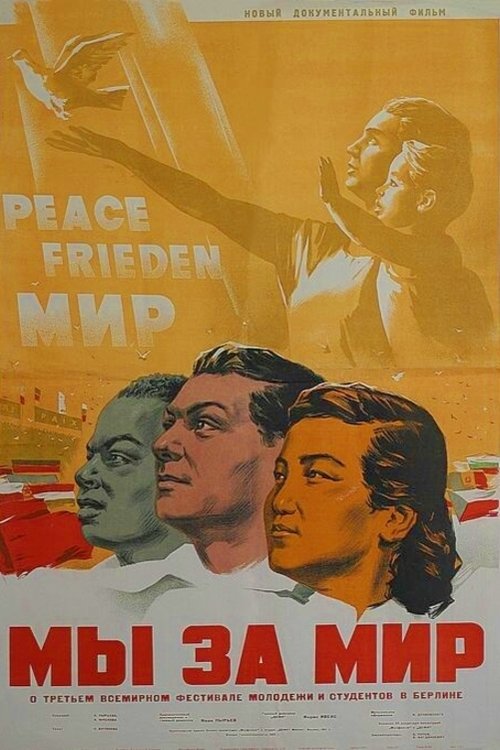
Friendship Triumphs serves as a tool to promote ideological solidarity rather than individual identity. It emphasizes systemic, anti-capitalist unity over personal representation, reflecting its specific political message. The film successfully presents a multi-ethnic, internationalist perspective that challenges Western dominance. By highlighting the World Festival of Youth and Students, it provides a platform for non-Western voices through a socialist lens. However, it does not address contemporary issues of individual diversity. The film lacks representation of LGBTQ+ identities or people with disabilities, focusing instead on idealized, able-bodied political figures.
Category Breakdown
The film does not include any characters or stories related to LGBTQ+ identities.
The film highlights masculine-coded political figures and organized labor. Female participants are present but the focus remains on patriarchal state leadership.
The film centers an international, multi-ethnic delegation to challenge Western-centric views. It uses international youth as a symbol of global unity.
The film offers a strong critique of Western institutions and capitalism. It portrays Western political stability as a facade for fascism and aggression.
The subjects are shown as idealized, able-bodied representatives of the youth movement. There is no focus on neurodivergence or physical disability.
Present on Screen
Limited or Absent
Official Synopsis
Film about the third 'Weltfestspiele der Jugend und Studenten für den Frieden' in East Berlin, 1951. West Germany is represented as a degenerate country which has been occupied by the Americans and is still inclined to fascism. We see the construction of the stadium, the departure and arrival of the delegations, the opening and closing by Enrico Berlinguer, a sports event, the parade of the delegations, a visit to Potsdam, folk dancing, and police violence against youngsters from West Berlin who want to visit East Germany because of the games. The film is interlaced with shots from the Korean War and a parade by NATO-troops in West Germany. Featuring Robert Montgomery, Konrad Adenauer, Wilhelm Pieck, Dwight Eisenhower, Robert Leer and Erich Honecker. The crew comprised no less than 24 cameramen. This project was the first great colour film Ivens co-operated in.
1989
1938
1966
1935
2018

1989
1922
1969
No reviews yet. Be the first to share your thoughts on this movie!
Use the rating form above to leave a star rating and optional review.