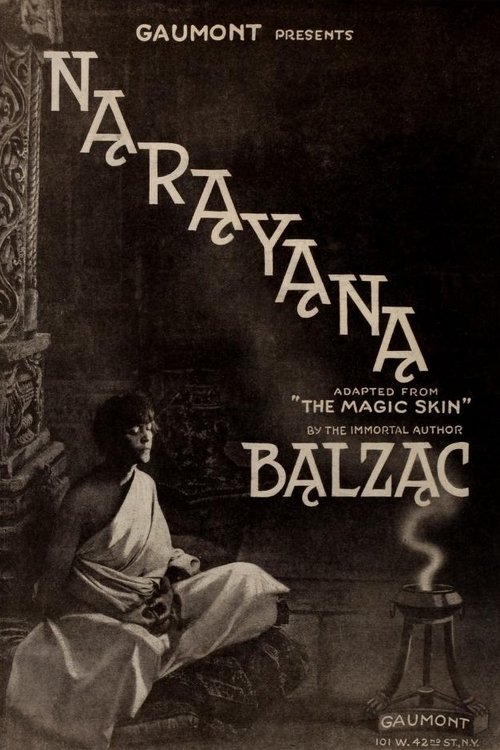
Narayana
1920
No user ratings available yet
Representation score: 1.3 out of 10
Representation Score
Minimal
1905
Director
Albert Capellani
Runtime
6 minutes
Average Rating
No ratings yetNew Showbiz Analysis
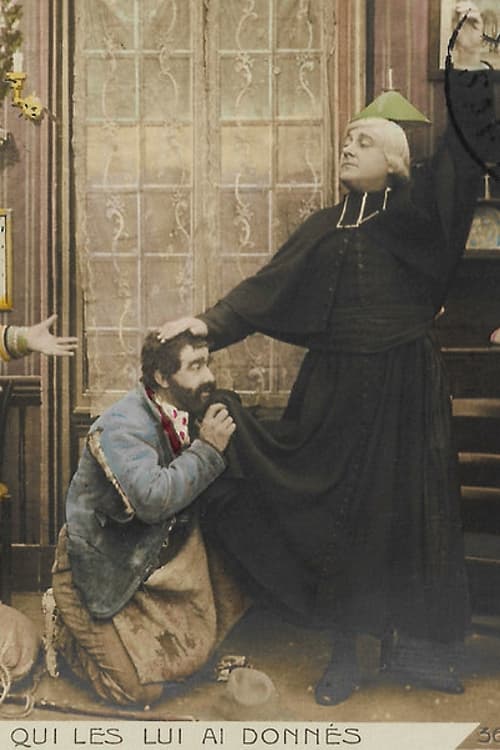
Albert Capellani's adaptation of Victor Hugo's work serves primarily to preserve the literary tradition rather than explore contemporary social issues. Rooted in the social structures and moral codes of the 19th century, the film's scope is limited in its representation. The narrative centers on the conflict between an outcast and religious authority. While it provides a nuanced perspective on morality and survival, it does so within a traditional framework that upholds existing power dynamics. Overall, the film reflects the era's dependence on established Western cultural norms, resulting in a narrow demographic and thematic range.
Category Breakdown
The film does not include any characters or stories related to LGBTQ+ individuals. The plot revolves around the protagonist's interactions with religious figures.
The story emphasizes traditionally masculine themes such as crime and poverty. It follows the gender roles typical of 19th-century literature.
The cast appears uniform, reflecting the demographics of early 20th-century French cinema. There is no indication of diverse racial or ethnic representation.
The film examines systemic poverty through a traditional Christian moral framework. It portrays redemption without critiquing Western institutions.
There are no characters with visible or invisible disabilities mentioned in the story.
Present on Screen
Limited or Absent
Official Synopsis
An adaptation of an episode in Victor Hugo's Les Misérables, where Jean Valjean is welcomed into the Bishop of Digne's home, and steals his silverware.
1920
1956

1995
1983
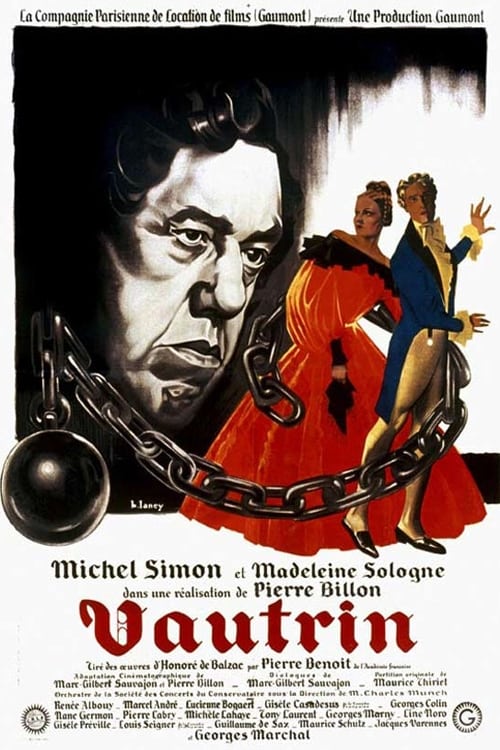
1943
1927
1906
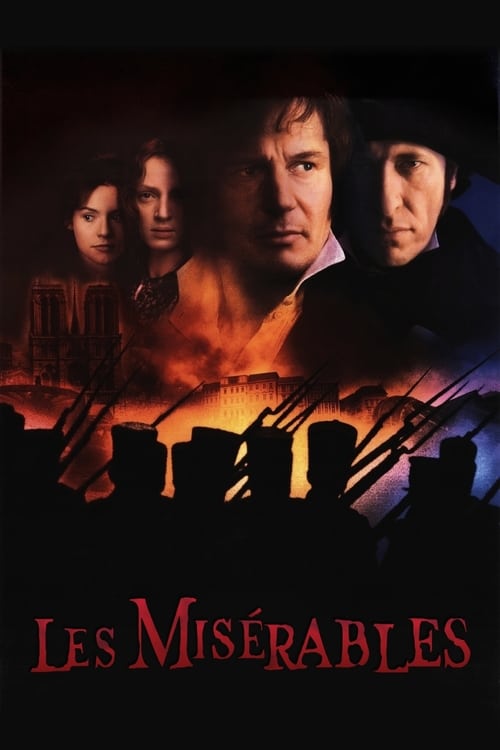
1998
No reviews yet. Be the first to share your thoughts on this movie!
Use the rating form above to leave a star rating and optional review.