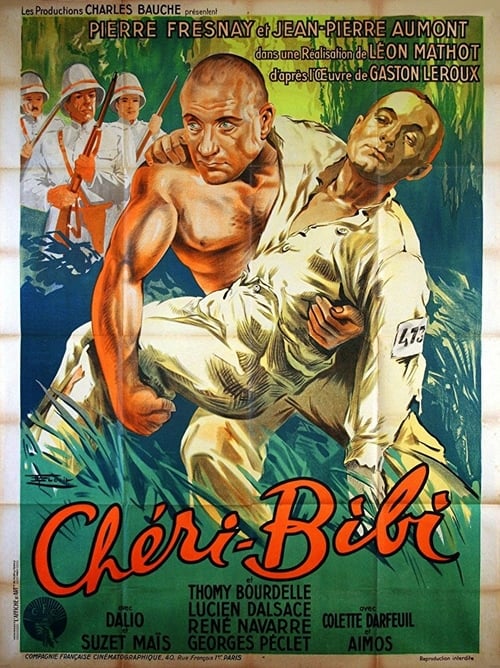
Chéri-Bibi
1938
No user ratings available yet
Representation score: 1.2 out of 10
Representation Score
Limited
1943
Director
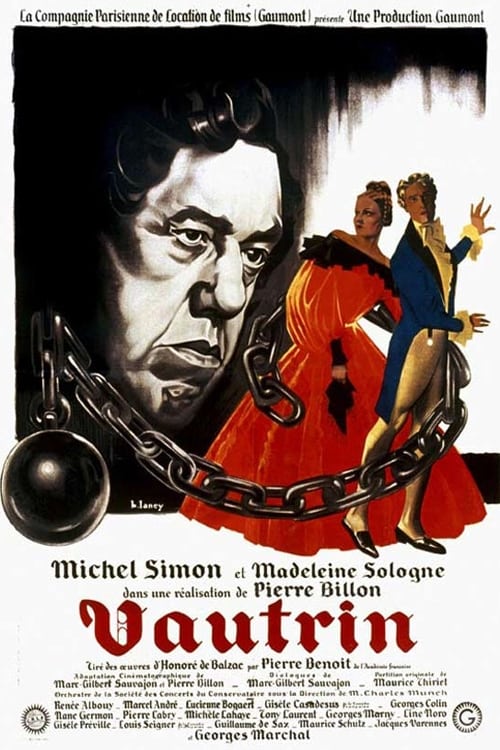
Pierre Billon
Runtime
120 minutes
Average Rating
No ratings yetNew Showbiz Analysis
Vautrin the Thief is a period drama deeply shaped by its 1943 French context and Balzacian literary roots. The film prioritizes a masculine-centric narrative, focusing on the mentorship and survival tactics of two men navigating rigid social hierarchies. While the film explores moral ambiguity and the subversion of law, it lacks demographic breadth. The storytelling adheres to historical conventions, emphasizing Eurocentric social structures and traditional gender roles rather than multi-layered complexity. Ultimately, the film functions as a study of class mobility and individualistic struggle, offering a localized view of morality that lacks modern progressive representation.
Category Breakdown
The film centers on a strong, protective bond between two men. While the relationship is unconventional, it lacks explicit LGBTQ identity and often codes the connection as a platonic mentorship.
The narrative is driven almost entirely by male protagonists and their social maneuvering. Women appear to be peripheral to the central power dynamics and ability to act of the story.
This 1943 French production operates within a homogeneous Eurocentric framework. The story focuses on French social strata without evidence of a multi-ethnic cast.
The film explores moral relativism through scams and social climbing. However, it remains rooted in a traditional Western framework of individualistic struggle.
Lucien’s fragility and collapse serve as plot catalysts. It remains unclear if this vulnerability is portrayed with ability to act or merely as a device for Vautrin's intervention.
Present on Screen
Limited or Absent
Official Synopsis
A famous convict Jacques Collin, alias Trompe la mort, or abbot Carlos Herrera, also called Vautrin, escapes from prison. Chance makes him meet Lucien de Rubempré, an impetuous and eternal lover who, when he is dismissed, collapses. Moved by this fragility, he takes him under his wing, and will do everything possible to ensure that his creature reaches happiness, even if it means imagining the worst shenanigans and other scams, with the help of a band of clever villains.
1938

1952
1972
1959
1946
1955
1943

2017
No reviews yet. Be the first to share your thoughts on this movie!
Use the rating form above to leave a star rating and optional review.