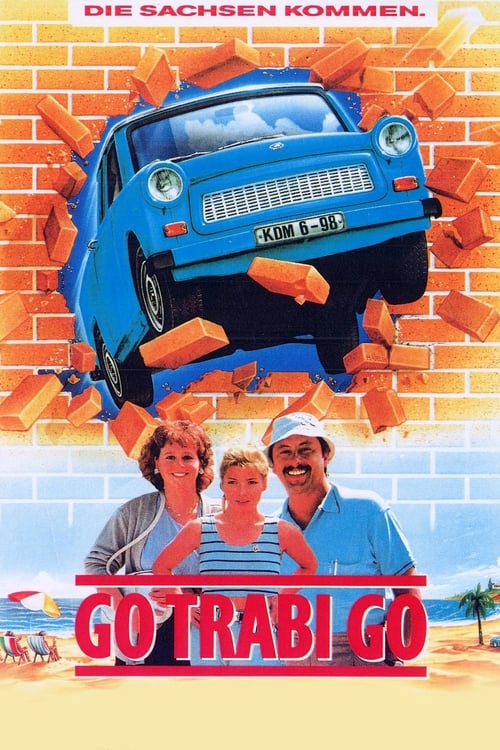
Go Trabi Go
1991
No user ratings available yet
Representation score: 5.6 out of 10

Representation Score
Minimal
2012
Director
Udo Neubert
Average Rating
No ratings yetNew Showbiz Analysis
The film’s satire hinges on a white, traditional German family confronting the legacy of the GDR while escaping Hartz IV constraints. That cultural and political focus is sharp, but the human palette is narrow. Gender roles are conventional, with the mother framed domestically and no subversion of family hierarchy. The absence of LGBTQ+ characters and disabled individuals further limits the range of lived experience on screen. The strength lies in its cultural critique, using historical contrast to question contemporary welfare policy. Yet representation remains confined to a single demographic, making the social commentary feel one-dimensional.
Category Breakdown
No LGBTQ+ characters or same-sex relationships appear in the film. The story focuses on a family’s road trip without including queer identities.
The film centers on a traditional family unit with a father, mother, and son. The mother is billed as “Mutti,” suggesting a conventional domestic role rather than a leadership position.
The cast is entirely white and German. The setting in East Germany and the family-centric plot offer no cross-cultural encounters or diverse casting.
The plot satirizes modern German welfare policy by sending a Hartz IV family on a trip to the former East Germany. This framing critiques current social systems and romanticizes the past, challenging contemporary Western institutions.
No characters with disabilities are shown or mentioned. The narrative does not engage with physical or mental health conditions.
Present on Screen
Limited or Absent
1991
1999
2012
1985
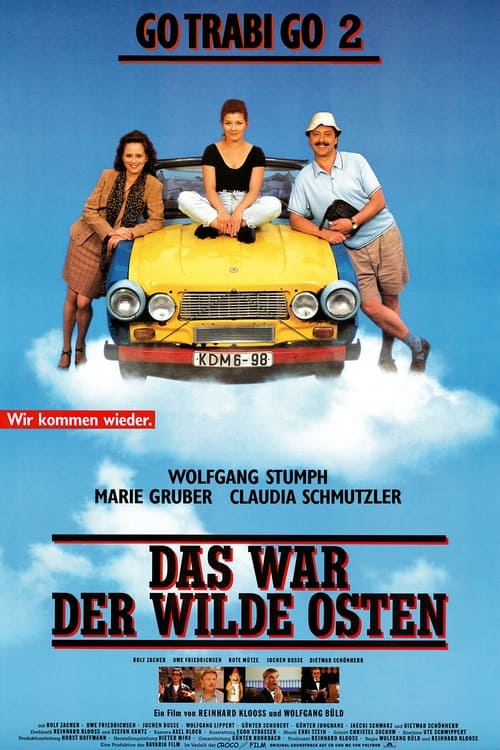
1992

2007
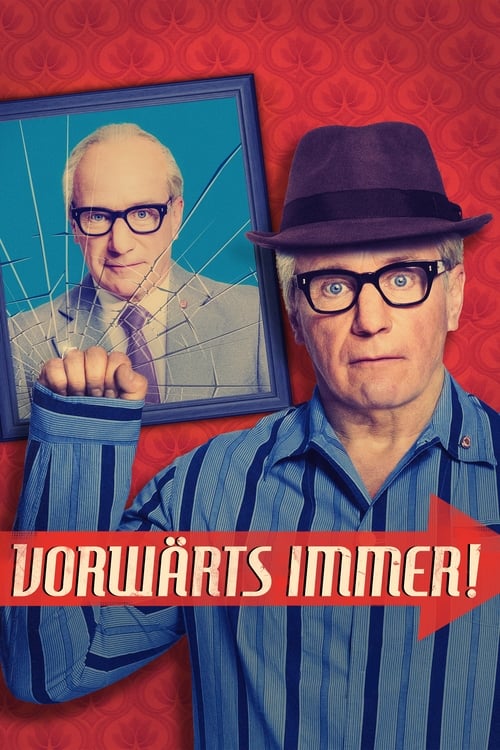
2017

2003
No reviews yet. Be the first to share your thoughts on this movie!
Use the rating form above to leave a star rating and optional review.